The $400 'Dumb Phone' as the New Status Symbol in Silicon Valley
As digital saturation reaches a breaking point, the tech elite are paying a premium to disconnect, turning high-end minimalist devices into the ultimate statement of time-wealth and cognitive autonomy.

The very individuals who engineered the "attention economy" are now leading a quiet insurrection against it. In the high-pressure corridors of Silicon Valley and the burgeoning tech hubs of the American West, the most potent symbol of professional success is no longer the latest flagship smartphone with a titanium frame and a periscope lens. Instead, it is a device that intentionally does less. The $400 "dumb phone"—a high-end, minimalist piece of hardware—has emerged as the new status symbol for a class of workers who have realized that constant connectivity is no longer a luxury, but a tax on their most valuable asset: cognitive focus.
This shift represents a fundamental revaluation of "time-wealth." In an era where entry-level smartphones are ubiquitous and social media access is a baseline utility, the ability to be unreachable has become the ultimate indicator of power. By opting for devices that lack browsers, news feeds, and infinite scroll, the tech elite are signaling that they are no longer at the mercy of the algorithms they helped create.
The Luxury of Less: Reclaiming the Attention Frontier
The rise of expensive minimalist devices like the Light Phone III or the Punkt MP02 is not merely a nostalgic retreat into the past; it is a strategic response to the cognitive fragmentation of 2026. For a senior engineer or a venture capitalist, the cost of a $400 device that only handles calls, texts, and perhaps a simple navigation tool is irrelevant compared to the value of "deep work."
- The Price of Silence: High-end minimalist phones are priced deliberately to distance themselves from "burner" phones found at convenience stores.
- Aesthetic Intentionality: These devices utilize E-ink displays or monochrome OLEDs to reduce the dopamine triggers associated with vibrant, high-refresh-rate screens.
- The Status of Unavailability: Carrying a device that cannot run Slack or LinkedIn informs the world that your schedule is dictated by your own priorities, not by incoming notifications.
This "Cyber-Rural" aesthetic—where futuristic design meets a desire for a more natural, analog pace of life—mirrors the broader trend of "Sovereign Estates" seen in the American Heartland. Just as investors are looking for rural properties that offer high-tech connectivity without the urban noise, individuals are seeking digital tools that offer utility without the mental clutter.
Cognitive Sovereignty and the New Class Divide
We are witnessing the emergence of a new digital class divide. On one side is a workforce increasingly tethered to "free" ad-supported platforms that monetize their attention. On the other is a premium tier of professionals who pay for the privilege of being "unplugged." This is the core of "Precision Capital" applied to the self: treating one's own attention as a portfolio of biological assets that must be protected from high-frequency "noise".
The "unplugged" movement is gaining traction precisely because the barrier between work and life has dissolved. In the 2026 economy, where generative AI tools have decoupled high-income work from specific locations, the "always-on" expectation has become a bottleneck for creativity. The $400 dumb phone acts as a physical firewall. It allows the user to manage their "digital capital" with the same discipline a hedge fund manager applies to a portfolio, ensuring that no "input" (notification) is allowed without a clear ROI in terms of productivity or well-being.
The Institutional Pivot Toward Minimalism
This is not just a personal lifestyle choice; it is beginning to influence corporate culture. Tech-forward firms are recognizing that employee burnout is a direct consequence of the "notification-per-second" environment.
- Focus-as-a-Service: Companies are increasingly providing minimalist devices to executive teams during "sprint" weeks to ensure maximum output.
- The Revaluation of Infrastructure: Just as the "Silicon Prairie" reimagined rural land as a high-tech asset, the tech elite are reimagining the phone as a specialized tool rather than a Swiss Army knife that does everything poorly.
- Market Behavior: Statistics from early 2026 show a 30% increase in the "minimalist hardware" segment among users with household incomes exceeding $200,000.
The era of the "all-in-one" device is being challenged by a more segmented approach to technology. The smartphone is becoming a secondary device—a portable computer to be used only when necessary—while the minimalist phone becomes the primary interface for the human world. This shift underscores a broader realization: in a world of infinite information, the most valuable thing you can own is your own focus.
Enjoyed this story?
More for you
Keep reading

The Internet Is Becoming America’s Second Economy
Across the United States, digital communities, gaming ecosystems, creator platforms, and Web3 networks are evolving into a parallel economy where participation itself may become long-term value.
Read moreFrom the feed
Latest Articles
WEB3
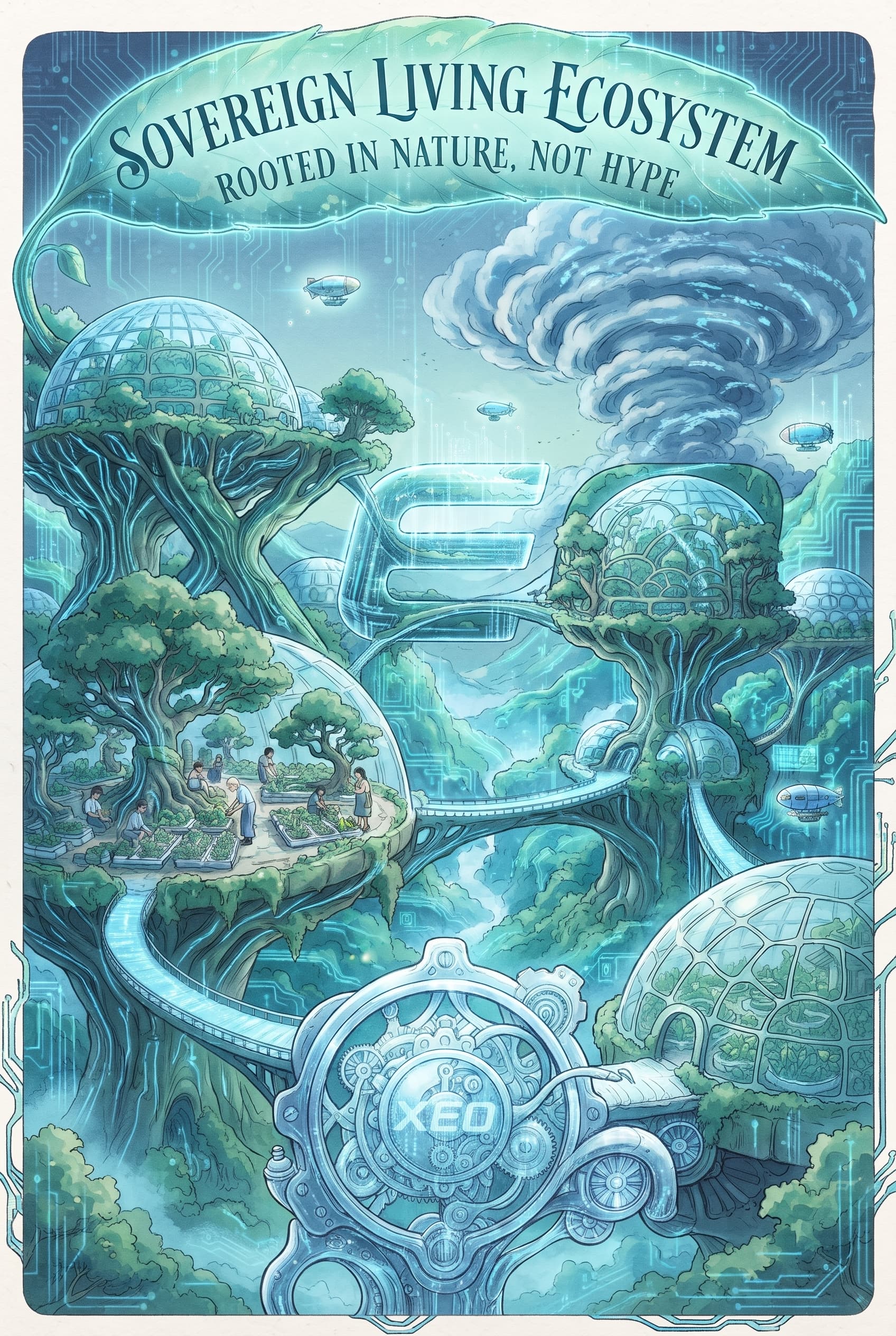
The Quiet Genesis: Why XEO is Refusing the Hype Cycle to Build a Sovereign Living Ecosystem
Aug 23, 2026· 2 min

CULTURE
The Bio-Digital Commons: Why Synthetic Biology Requires Decentralized Infrastructure
Jul 24, 2026· 6 min

CULTURE
The Shift Toward Abandoned Mining Shafts for Sovereign Data Center Architecture
Jun 30, 2026· 6 min

CULTURE
Premium Minimalist Hardware and the High-Stakes Economy of Digital Detargeting
Jun 24, 2026· 13 min

CULTURE
Licensing the Mind: The Economics of Generative Agents as High-Yield Digital Assets
Jun 23, 2026· 10 min

WEB3
The Sovereignty Deficit: Why Stablecoin Regulations in Emerging Markets are Forcing Capital Offshore
Jun 18, 2026· 4 min

WEB3
The Missing Piece in GameFi And How XEO Plans to Redefine Ownership, Utility, and Competitive Play
May 27, 2026· 3 min

CULTURE
Cognitive Sanctuary: E-Ink Monitors and the Aristocracy of Attention in the Age of Information Overload
May 22, 2026· 5 min

WEB3
Monero’s War on ASICs and the Structural Economics of Absolute Privacy
May 20, 2026· 10 min

WEB3
Top 10 Proof-of-Work Networks: Efficiency, Hardware Ecosystems, and Market Realities
May 18, 2026· 9 min
Briefs
Latest News

WEB3
XEO Ecosystem Releases Official Track "3.5 Billion Years" Produced by QuixTilt Records
Oct 1, 2026· 1 min

GLOBAL
Inside HSBC and the Bank of England’s Digital Securities Sandbox
Jul 25, 2026· 6 min
GLOBAL
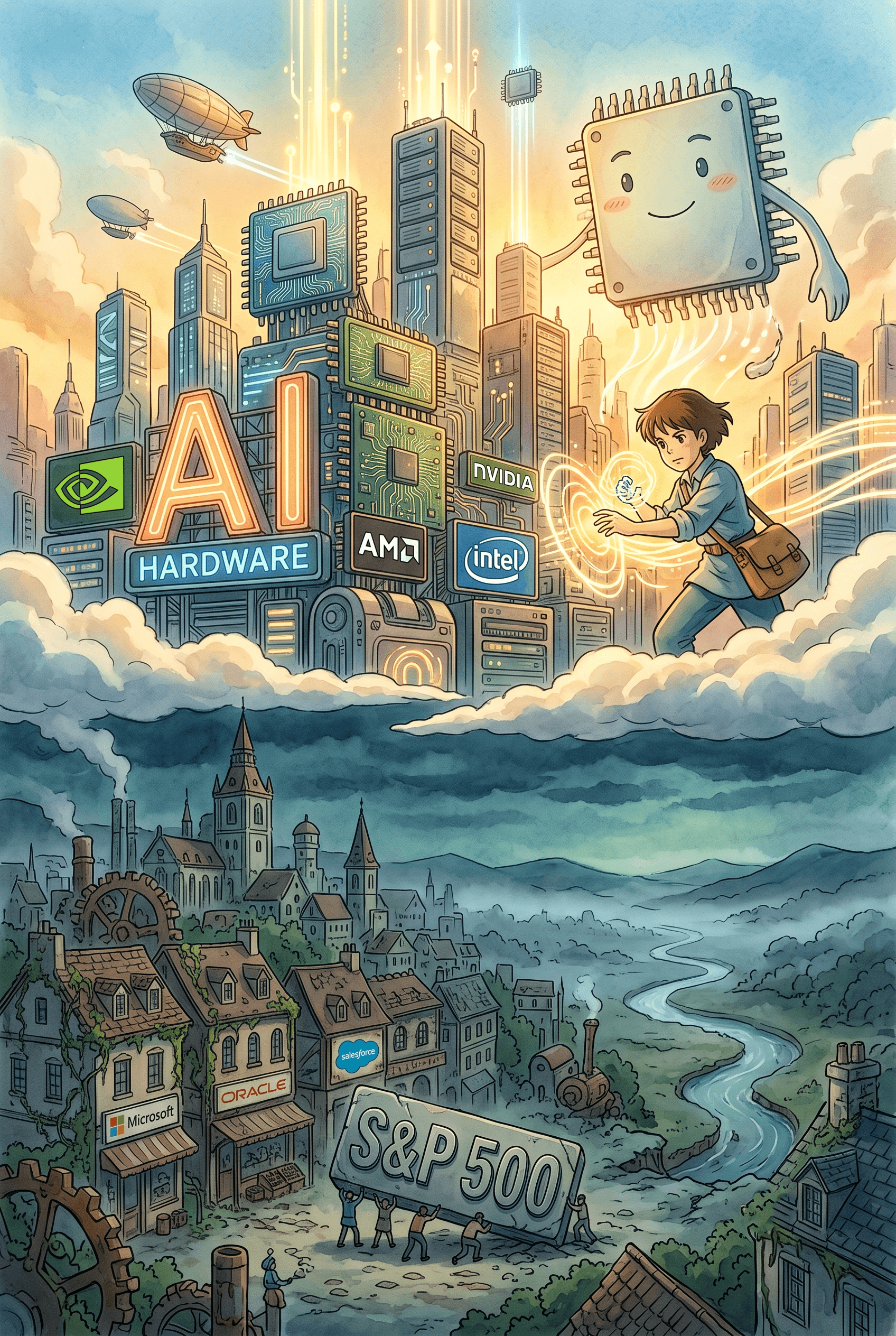
Why S&P 500 Software is Lagging While AI Hardware Dominates 2026
Jul 25, 2026· 7 min

GLOBAL
Why Wall Street is Re-Valuing SpaceX as an AI Infrastructure Giant
Jul 25, 2026· 8 min
WEB3
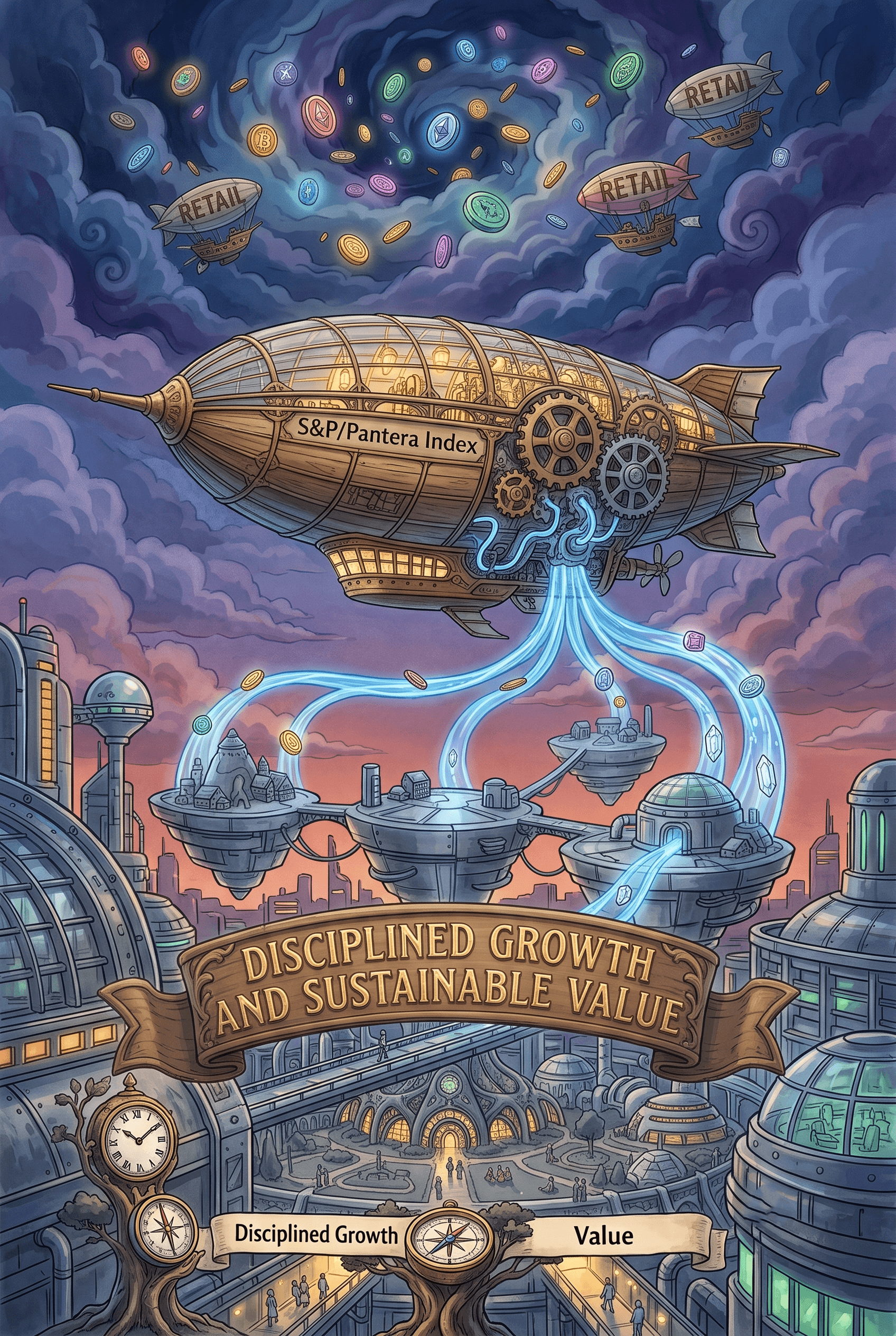
S&P and Pantera’s Index Launch and the End of Speculative Token Valuation
Jul 22, 2026· 7 min

GLOBAL
The Algorithmic Border: How Kinetic Supply Chains are Reindexing South China Sea Logistics
Jul 10, 2026· 3 min

WEB3
A Vision Coming to Life: XEO Takes Strategic Steps to Shape the "Living Ecosystem" of the Future
Jul 8, 2026· 2 min
GLOBAL
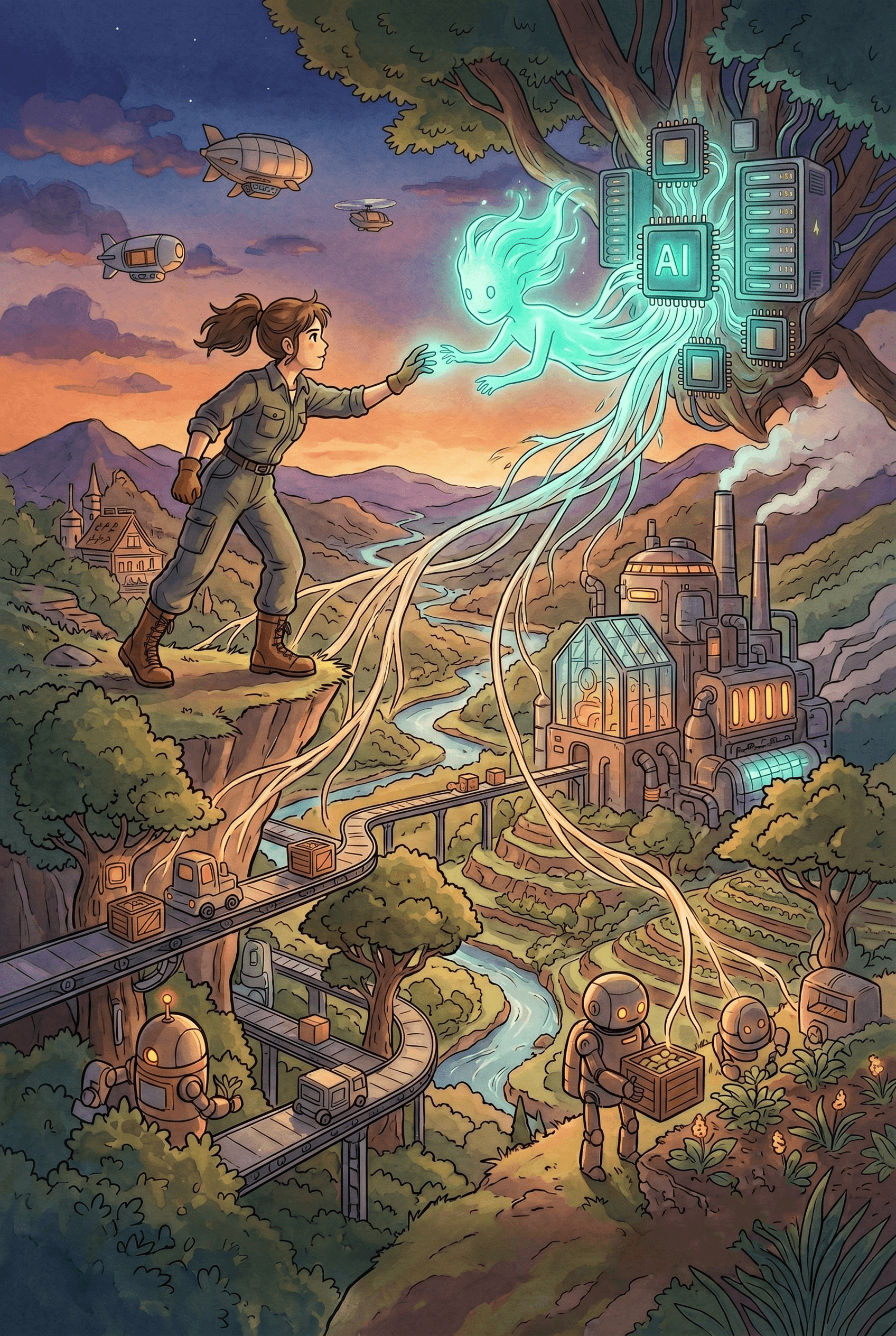
The Screen Is No Longer Enough: Inside Silicon Valley’s Physical AI Pivot
May 19, 2026· 4 min

GLOBAL
Silicon Valley’s New Cold War: California vs. The White House Over AI Rules
May 19, 2026· 4 min
GLOBAL
Top 5 AI Processor Stocks to Watch in 2026
May 19, 2026· 4 min