The Silicon Prairie: Strategic AI Integration for the 2026 American Rural Economy
The American heartland is undergoing a profound digital shift. By 2026, artificial intelligence is no longer an urban luxury but a critical tool for rural resilience, transforming farmers into technical managers and small towns into high-tech hubs.
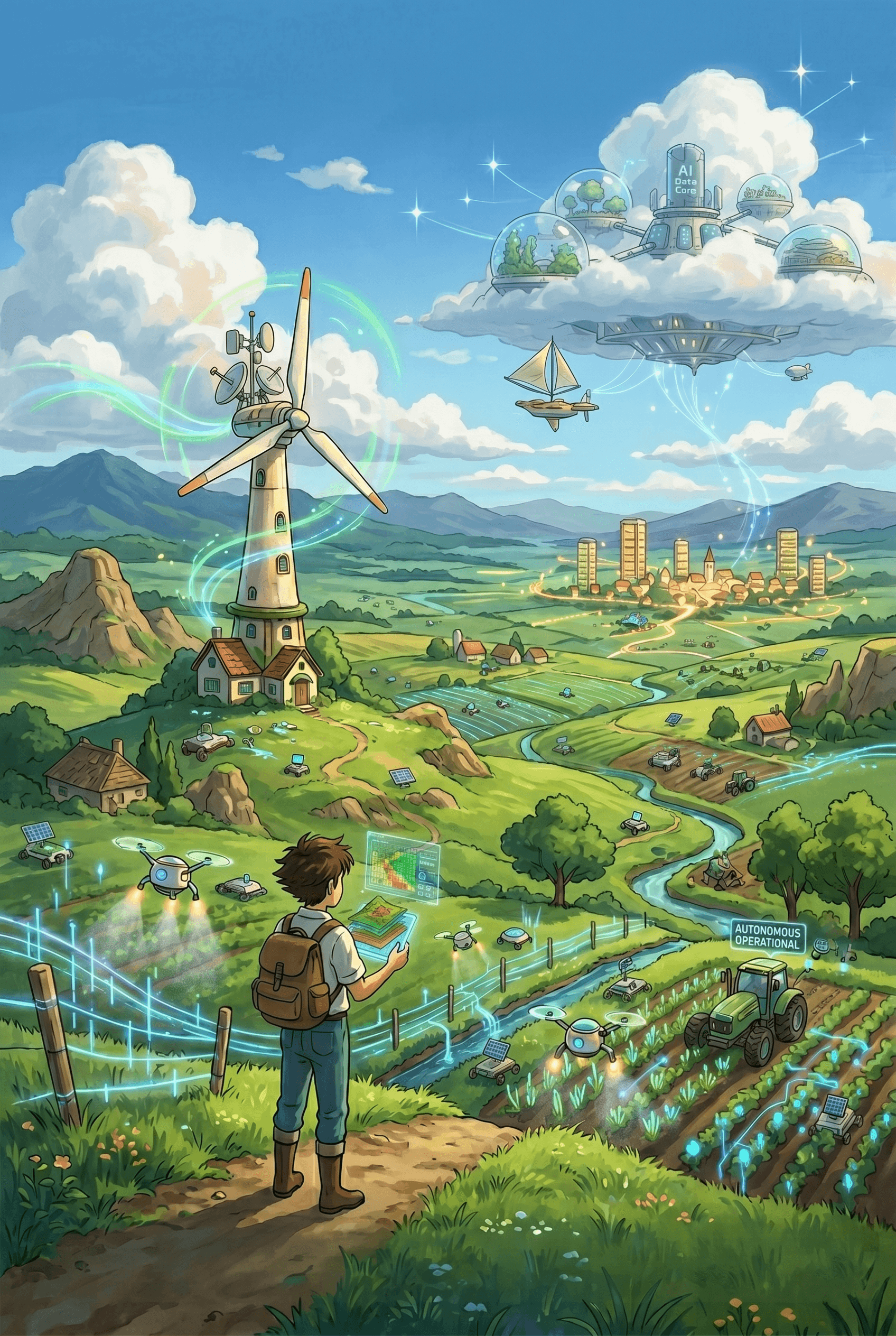
The romanticized image of the American Heartland vast, unchanging fields and grueling manual labor—is being replaced by a sophisticated digital grid. By 2026, the "Silicon Prairie" is no longer a speculative concept but a functional economic reality. The intersection of artificial intelligence and the rural economy is moving beyond simple automation; it is fundamentally altering the nature of rural labor, shifting it from physical exertion to the strategic management of digital assets.
This transformation is driven by the necessity of efficiency in a high-inflation, high-interest-rate environment. In the rural US, where labor shortages have historically been a bottleneck, AI is acting as the ultimate bridge. However, the true story isn’t just about robots in fields; it is about the decentralization of intelligence and the reclamation of economic agency by communities that were once sidelined by the urban-centric digital revolution. For the rural entrepreneur, AI represents more than just a tool; it is a means to achieve an optimized return on investment where every input is tracked and analyzed.
Autonomous Crop Management and Cost Reduction
The traditional role of the "tractor driver" has been superseded by the technical manager. Through the integration of AI-driven autonomous systems, agriculture has transitioned into a high-margin data industry. Modern farming operations now utilize complex neural networks to oversee every square inch of soil, integrating real-time data from satellite imagery, soil sensors, and weather drones.
For instance, companies providing Autonomous Crop Management systems are now capable of reducing fuel and fertilizer costs by up to 25%. By treating every acre as a portfolio of biological assets, rural operators are achieving a level of fiscal discipline that rivals large-scale financial institutions. In states like Iowa, the focus has shifted toward data-driven yield maximization, where AI algorithms dictate the precise millisecond for irrigation and the exact gram of nitrogen required for a specific plant.
Algorithmic Resilience for Small-Town Retail
Beyond the fields, the rural "Main Street" is finding a second life through AI-supported logistics. Historically, small-town retailers struggled to compete with the sheer scale of giants like Amazon or Walmart. In 2026, small rural businesses are leveraging localized AI inventory prediction tools to maintain lean operations.
These tools analyze local weather patterns, regional economic shifts, and social trends to predict demand with surgical accuracy. A hardware store in a small town can now ensure they never carry excess inventory while always having the right equipment for a predicted storm or harvest cycle. When a local business can predict its cash flow and inventory needs with 95% accuracy, it becomes an attractive target for regional investment.
The Rise of High-Tech Estates and Digital Nomadism
The marriage of Starlink and generative AI tools has effectively decoupled high-income work from urban centers. This has triggered a massive demographic shift, turning the American countryside into a primary residence for a new class of digital professionals. This influx is a massive injection of capital into rural infrastructure.
In regions like Texas and the Mountain West, we are seeing the rise of advanced estates equipped with independent energy grids, satellite connectivity, and AI-managed security systems. This trend is turning rural land into a premium asset class where "connectivity-ready" land is more valuable than simple acreage. Investors are increasingly looking at rural properties as high-tech sanctuaries for an elite workforce.
AI-Enhanced Resource and Water Management
Similar data-centric approaches are revolutionizing resource scarcity in states like California, where AI is used for sophisticated water management. Every drop of water is treated as a high-value resource, managed by predictive models that balance soil moisture levels with upcoming weather forecasts. This ensures that even in drought-prone areas, rural economic productivity remains stable through the application of localized compute power.
Predictive Maintenance for Rural Infrastructure
Rural communities often face challenges with aging infrastructure and limited maintenance budgets. AI is being deployed to monitor the health of bridges, roads, and local power grids. By using sensors and computer vision, local governments can predict failures before they occur, shifting from reactive repairs to a proactive maintenance model that saves millions in taxpayer dollars and ensures continuous connectivity for the digital economy.
AI-Driven Rural Healthcare Access
Distance has always been a barrier to quality healthcare in rural America. In 2026, AI-powered diagnostic tools and remote monitoring systems allow local clinics to offer specialist-level care. Generative AI assistants help rural doctors stay updated on the latest medical research, while wearable AI sensors monitor elderly residents, alerting medical professionals to potential issues before they become emergencies. This reduces the need for long-distance travel to urban hospitals and improves the overall quality of life.
Localized Energy Production and Micro-Grids
A significant opportunity for rural investors lies in the ownership of rural micro-data centers and independent energy production. As the cost of urban power skyrockets, rural estates that combine independent solar or wind energy with AI compute units become highly valuable assets. The 2026 strategy isn't just to buy software, but to own the physical nodes where that software lives, far from the reach of congested urban hubs.
AI-Powered Education and Skill Development
To support the high-tech shift in the Heartland, rural schools and community colleges are utilizing AI to provide personalized learning experiences. This allows residents to reskill for the digital economy without leaving their communities. AI tutors and virtual reality training programs provide hands-on experience in managing autonomous systems and digital assets, preventing the "brain drain" that has historically plagued rural areas.
Tourism and Heritage Preservation
AI is being used to revitalize rural tourism by creating immersive, AI-guided experiences that highlight local history and natural beauty. Futuristic technology meeting the untouched natural world is becoming a hallmark of American luxury travel. Augmented reality (AR) tours powered by AI can bring historical sites to life, attracting high-spending visitors and creating new revenue streams for small towns.
Decentralized Logistics and Drone Delivery
The last-mile delivery challenge in rural areas is being solved by AI-managed drone networks and autonomous ground vehicles. These systems allow rural residents and businesses to receive goods and ship products with the same speed as urban centers. By integrating these systems with AI inventory tools, rural manufacturers can reach global markets more efficiently, further integrating the Heartland into the global supply chain.
The integration of artificial intelligence into the rural fabric is more than a technological update; it is a cultural and economic restoration. By providing the tools for precision management and global connectivity, AI is allowing the American Heartland to reclaim its position as a central pillar of the global economy. As the distinction between "rural" and "tech-driven" continues to blur, the Silicon Prairie is becoming the primary engine of American growth.
Investors and residents alike should look beyond the software layer and focus on the physical reality of rural compute and infrastructure. The transition toward a tech-centric rural economy is an inevitability of the digital age, providing a vast canvas for the next generation of capital growth. By embracing autonomous systems and satellite connectivity, the Heartland is positioning itself as the blueprint for the future of American capital.
Enjoyed this story?
More for you
Keep reading

The One-Person Content Machine: How AI Is Replacing Small Media Teams
AI-powered tools are enabling solo creators and small businesses to operate like full-scale media companies by automating content production, editing, scripting, and publishing workflows.
Read moreFrom the feed
Latest Articles

WEB3
The Quiet Genesis: Why XEO is Refusing the Hype Cycle to Build a Sovereign Living Ecosystem
Aug 23, 2026· 2 min

CULTURE
The Bio-Digital Commons: Why Synthetic Biology Requires Decentralized Infrastructure
Jul 24, 2026· 6 min

CULTURE
The Shift Toward Abandoned Mining Shafts for Sovereign Data Center Architecture
Jun 30, 2026· 6 min

CULTURE
Premium Minimalist Hardware and the High-Stakes Economy of Digital Detargeting
Jun 24, 2026· 13 min

CULTURE
Licensing the Mind: The Economics of Generative Agents as High-Yield Digital Assets
Jun 23, 2026· 10 min

WEB3
The Sovereignty Deficit: Why Stablecoin Regulations in Emerging Markets are Forcing Capital Offshore
Jun 18, 2026· 4 min

WEB3
The Missing Piece in GameFi And How XEO Plans to Redefine Ownership, Utility, and Competitive Play
May 27, 2026· 3 min

CULTURE
Cognitive Sanctuary: E-Ink Monitors and the Aristocracy of Attention in the Age of Information Overload
May 22, 2026· 5 min

WEB3
Monero’s War on ASICs and the Structural Economics of Absolute Privacy
May 20, 2026· 10 min

WEB3
Top 10 Proof-of-Work Networks: Efficiency, Hardware Ecosystems, and Market Realities
May 18, 2026· 9 min
Briefs
Latest News

WEB3
XEO Ecosystem Releases Official Track "3.5 Billion Years" Produced by QuixTilt Records
Oct 1, 2026· 1 min

GLOBAL
Inside HSBC and the Bank of England’s Digital Securities Sandbox
Jul 25, 2026· 6 min
GLOBAL
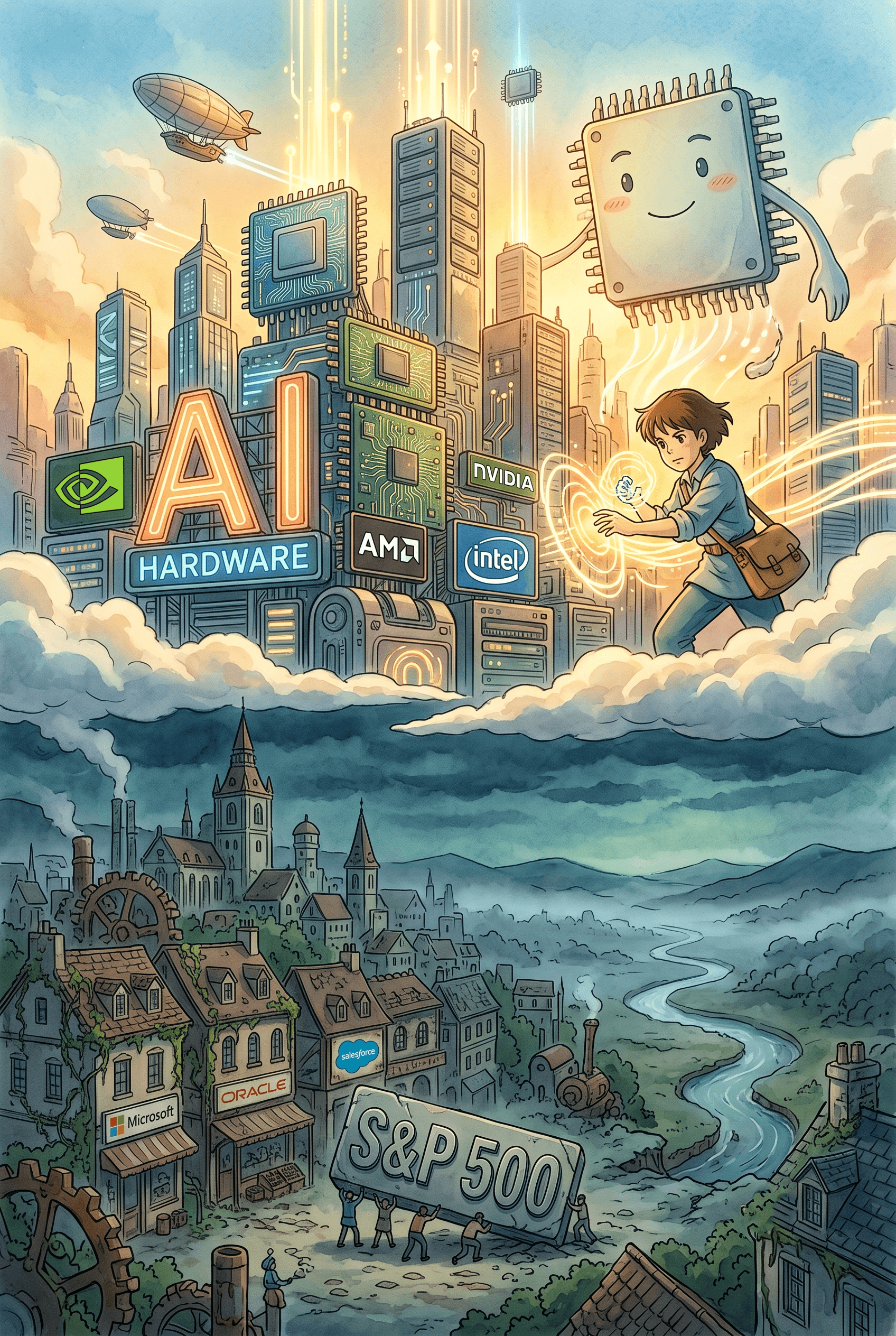
Why S&P 500 Software is Lagging While AI Hardware Dominates 2026
Jul 25, 2026· 7 min

GLOBAL
Why Wall Street is Re-Valuing SpaceX as an AI Infrastructure Giant
Jul 25, 2026· 8 min
WEB3
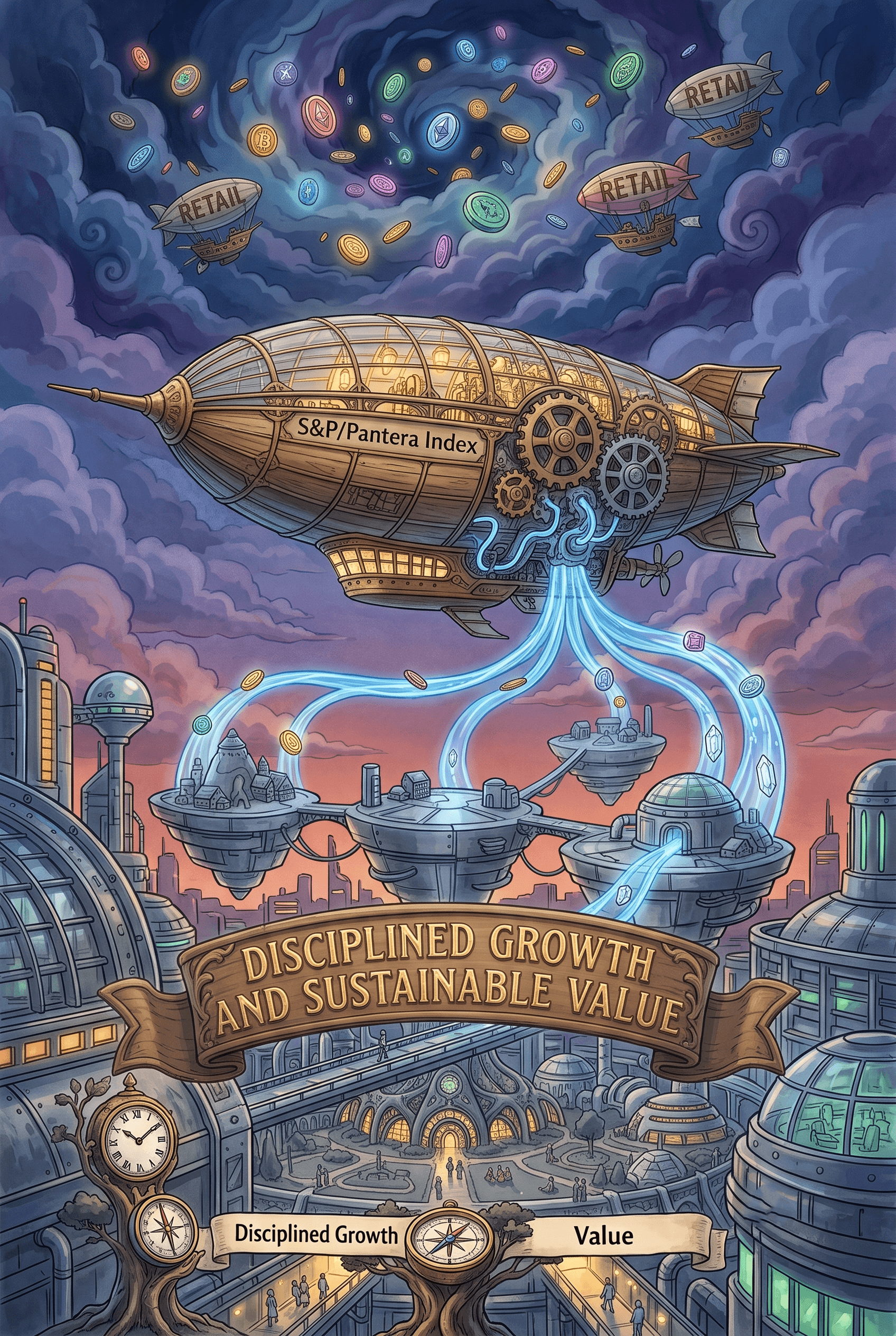
S&P and Pantera’s Index Launch and the End of Speculative Token Valuation
Jul 22, 2026· 7 min

GLOBAL
The Algorithmic Border: How Kinetic Supply Chains are Reindexing South China Sea Logistics
Jul 10, 2026· 3 min

WEB3
A Vision Coming to Life: XEO Takes Strategic Steps to Shape the "Living Ecosystem" of the Future
Jul 8, 2026· 2 min

GLOBAL
The Screen Is No Longer Enough: Inside Silicon Valley’s Physical AI Pivot
May 19, 2026· 4 min

GLOBAL
Silicon Valley’s New Cold War: California vs. The White House Over AI Rules
May 19, 2026· 4 min
GLOBAL
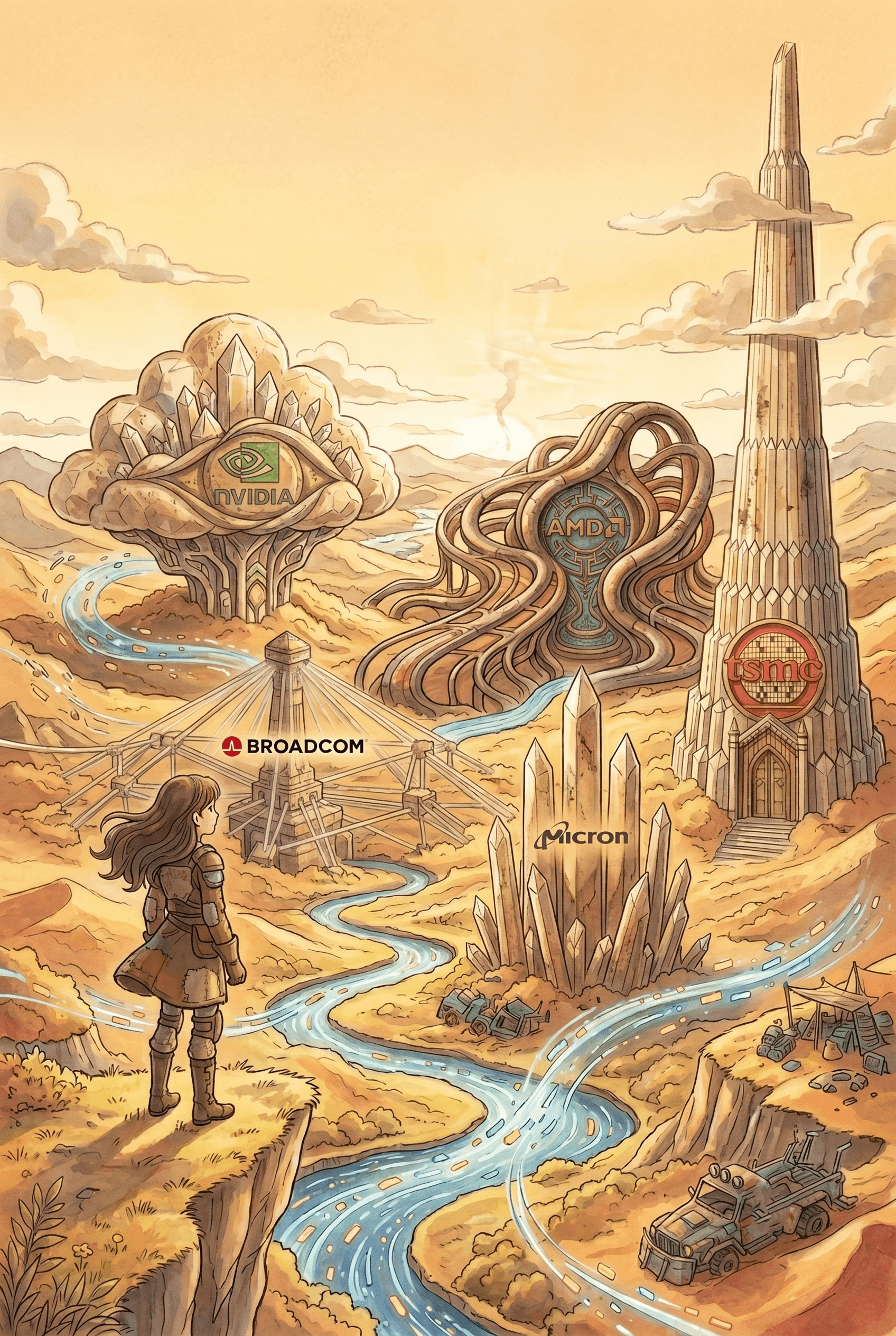
Top 5 AI Processor Stocks to Watch in 2026
May 19, 2026· 4 min