The New American Dream Isn’t a House Anymore — It’s Digital Ownership
Across America, younger generations are redefining wealth through digital ownership, online ecosystems, and internet-native communities. Emerging projects like XEO are positioning themselves inside that cultural shift.

For decades, the American Dream followed a predictable structure.
A stable career.
A house.
A retirement plan.
Long-term financial security through traditional systems.
But across the United States, especially among younger generations living in cities like New York, Miami, Austin, and Los Angeles, that vision is beginning to feel increasingly disconnected from reality.
Housing prices continue rising faster than wages. Traditional career paths feel less stable than they once did. Entire industries are being reshaped by AI, automation, and digital platforms faster than most institutions can adapt.
As a result, many younger Americans are quietly building a different relationship with ownership itself.
Not physical ownership.
Digital ownership.
This shift is happening gradually across internet culture. A designer monetizes an online audience instead of chasing corporate promotion ladders. A gamer spends time inside competitive digital ecosystems that reward participation. A creator builds community-based income streams online. Others slowly accumulate positions inside emerging internet-native projects they believe may become culturally relevant years from now.
For previous generations, economic leverage often came from physical scarcity:
- land
- property
- industrial access
- geographic positioning
For the internet generation, value increasingly comes from:
- digital identity
- community participation
- online influence
- ecosystem access
- early positioning inside digital networks
That transformation is one reason why gaming, culture, finance, and lifestyle branding are beginning to merge together online.
The modern internet user no longer wants passive entertainment alone. Increasingly, younger audiences expect participation, competition, personalization, and community ownership to exist inside the platforms they spend time in every day.
This is part of the reason GameFi continues attracting attention despite broader market volatility. The concept itself taps into something larger than speculation: the idea that online participation may eventually carry real economic and cultural value.
But the projects quietly surviving the post-hype Web3 era are no longer relying purely on token speculation. Many smaller ecosystems are attempting to build actual digital environments capable of sustaining long-term communities.
That distinction matters.
One example is XEO, an Ethereum-based ecosystem positioning itself at the intersection of GameFi and lifestyle culture. Rather than functioning purely as a token project, XEO combines competitive gaming infrastructure with community participation, digital identity, and internet-native branding.
Its broader thesis reflects a growing cultural shift already visible across younger internet generations:
If people increasingly live online, socialize online, compete online, and build identity online, then future economic ecosystems may emerge around the communities capable of turning digital participation itself into culture.
That idea is especially relevant in America’s younger builder culture.
In New York, for example, thousands of young creators, developers, freelancers, designers, gamers, and entrepreneurs are already operating inside fragmented digital economies. Many are no longer expecting a single traditional job to create wealth fast enough to match modern economic reality.
Instead, they experiment.
A small investment here.
An online community there.
Participation in an emerging ecosystem before mainstream attention arrives.
Most of those experiments fail.
But historically, early participation inside emerging technological ecosystems has often created asymmetric upside for the few projects capable of surviving long enough to mature.
That does not guarantee success for any individual ecosystem. Web3 remains volatile, competitive, and highly uncertain.
But culturally, the direction appears increasingly clear:
The next generation of internet users does not simply want apps.
They want ecosystems they can belong to.
And projects like XEO are attempting to build around exactly that transition — where gaming, digital ownership, online identity, and lifestyle culture begin converging into a single internet-native economy.
Learn more about: xeotoken.com
Enjoyed this story?
More for you
Keep reading

Are We Entering a Post-Work Economy? The Reality Behind Automation
Automation is changing the structure of work, but not eliminating it. Here’s what a post-work economy actually looks like.
Read moreBriefs
Latest News
WEB3
XEO Ecosystem Releases Official Track "3.5 Billion Years" Produced by QuixTilt Records
Oct 1, 2026· 1 min

GLOBAL
Inside HSBC and the Bank of England’s Digital Securities Sandbox
Jul 25, 2026· 6 min
GLOBAL
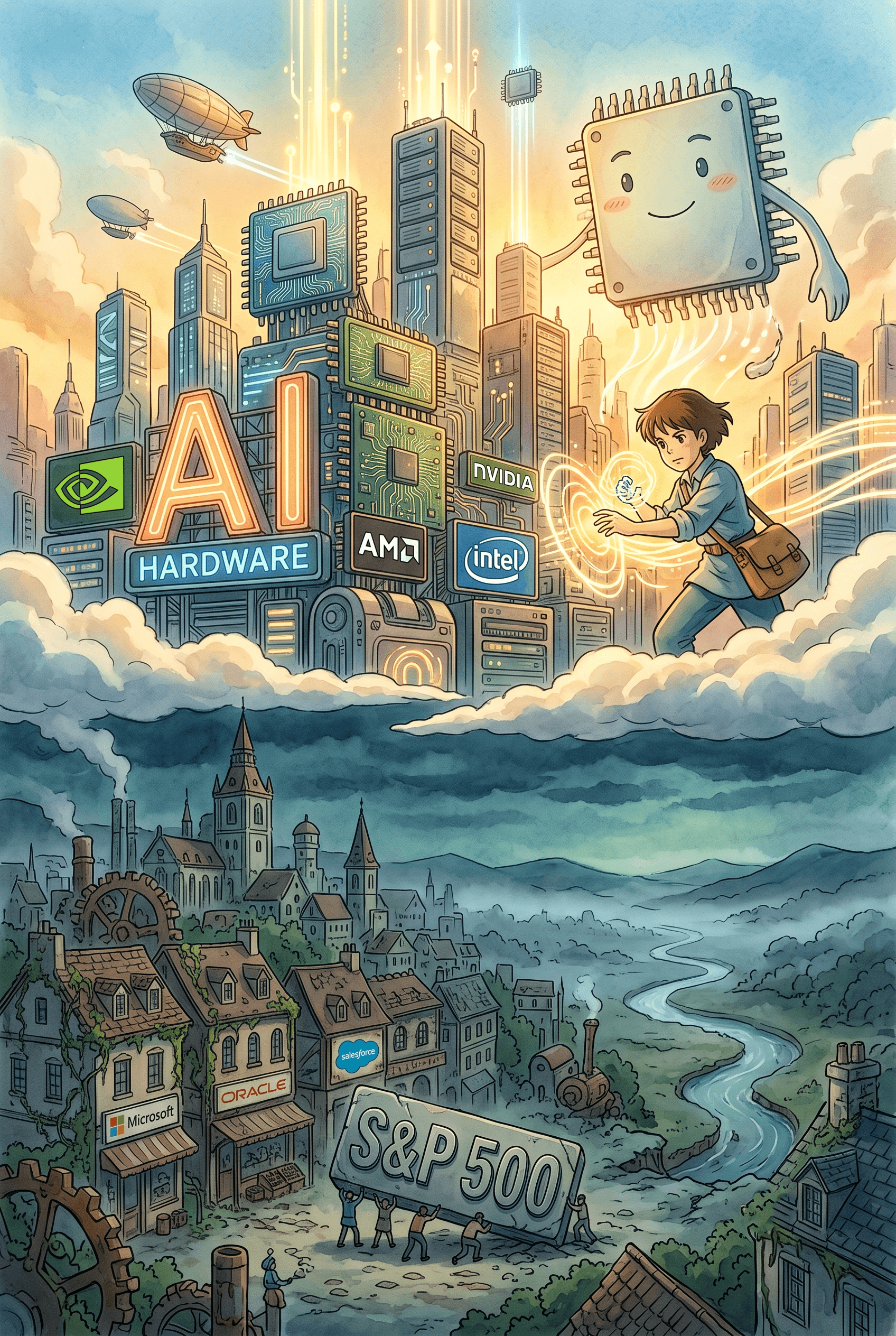
Why S&P 500 Software is Lagging While AI Hardware Dominates 2026
Jul 25, 2026· 7 min

GLOBAL
Why Wall Street is Re-Valuing SpaceX as an AI Infrastructure Giant
Jul 25, 2026· 8 min
WEB3
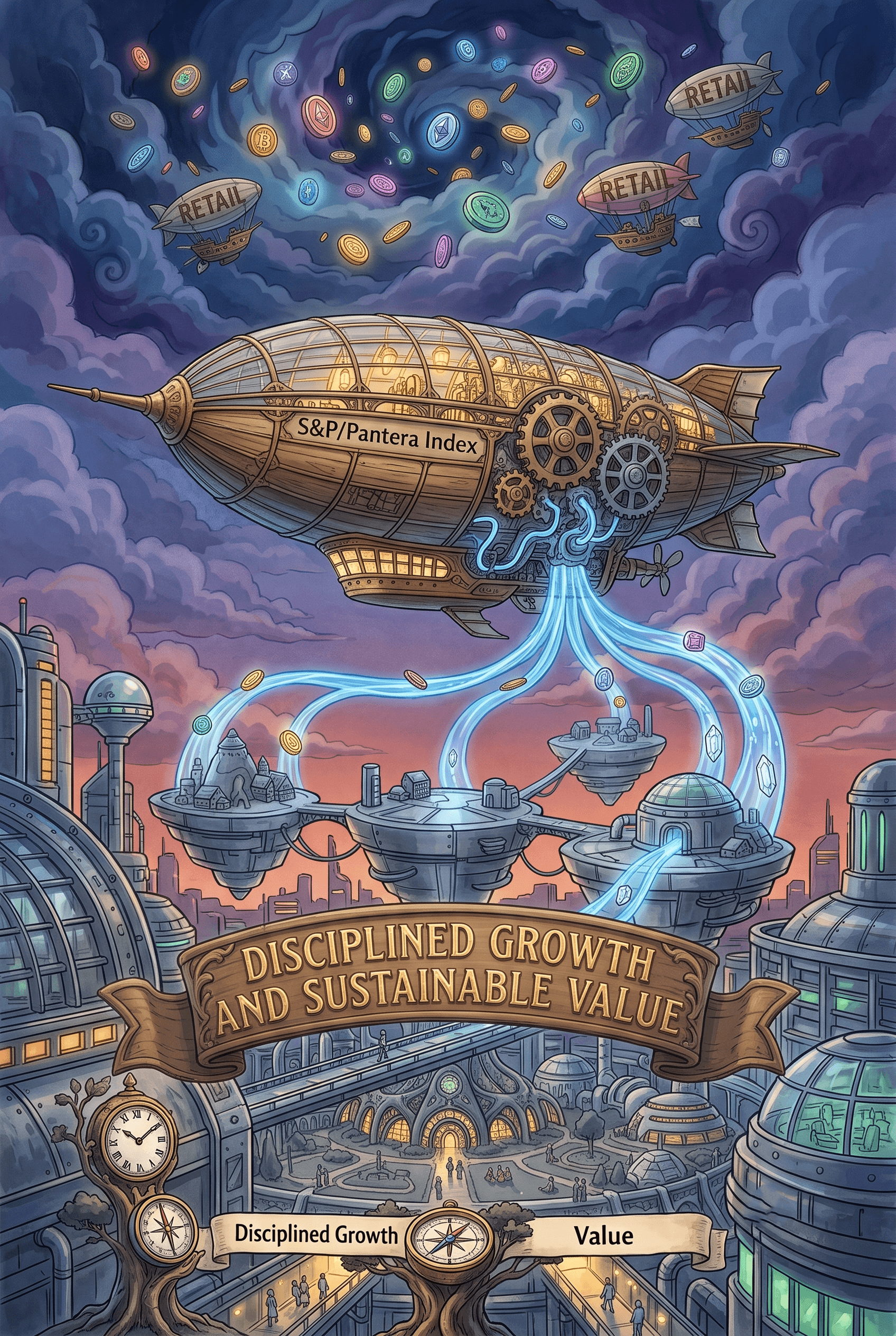
S&P and Pantera’s Index Launch and the End of Speculative Token Valuation
Jul 22, 2026· 7 min

GLOBAL
The Algorithmic Border: How Kinetic Supply Chains are Reindexing South China Sea Logistics
Jul 10, 2026· 3 min
WEB3
A Vision Coming to Life: XEO Takes Strategic Steps to Shape the "Living Ecosystem" of the Future
Jul 8, 2026· 2 min
GLOBAL
The Screen Is No Longer Enough: Inside Silicon Valley’s Physical AI Pivot
May 19, 2026· 4 min

GLOBAL
Silicon Valley’s New Cold War: California vs. The White House Over AI Rules
May 19, 2026· 4 min
GLOBAL
Top 5 AI Processor Stocks to Watch in 2026
May 19, 2026· 4 min
From the feed
Latest Articles
WEB3
The Quiet Genesis: Why XEO is Refusing the Hype Cycle to Build a Sovereign Living Ecosystem
Aug 23, 2026· 2 min
CULTURE
The Bio-Digital Commons: Why Synthetic Biology Requires Decentralized Infrastructure
Jul 24, 2026· 6 min

CULTURE
The Shift Toward Abandoned Mining Shafts for Sovereign Data Center Architecture
Jun 30, 2026· 6 min

CULTURE
Premium Minimalist Hardware and the High-Stakes Economy of Digital Detargeting
Jun 24, 2026· 13 min
CULTURE
Licensing the Mind: The Economics of Generative Agents as High-Yield Digital Assets
Jun 23, 2026· 10 min

WEB3
The Sovereignty Deficit: Why Stablecoin Regulations in Emerging Markets are Forcing Capital Offshore
Jun 18, 2026· 4 min
WEB3
The Missing Piece in GameFi And How XEO Plans to Redefine Ownership, Utility, and Competitive Play
May 27, 2026· 3 min

CULTURE
Cognitive Sanctuary: E-Ink Monitors and the Aristocracy of Attention in the Age of Information Overload
May 22, 2026· 5 min
WEB3
Monero’s War on ASICs and the Structural Economics of Absolute Privacy
May 20, 2026· 10 min

WEB3
Top 10 Proof-of-Work Networks: Efficiency, Hardware Ecosystems, and Market Realities
May 18, 2026· 9 min