'Quiet Quitting' of the Internet: Why We Are Leaving Big Social Media for Micro-Communities
As major social media platforms succumb to algorithmic fatigue and commercial saturation, users are quietly migrating to smaller, curated digital spaces. Here is why the era of the mega-platform is fractured, and what the shift to micro-communities means for the future of digital culture.
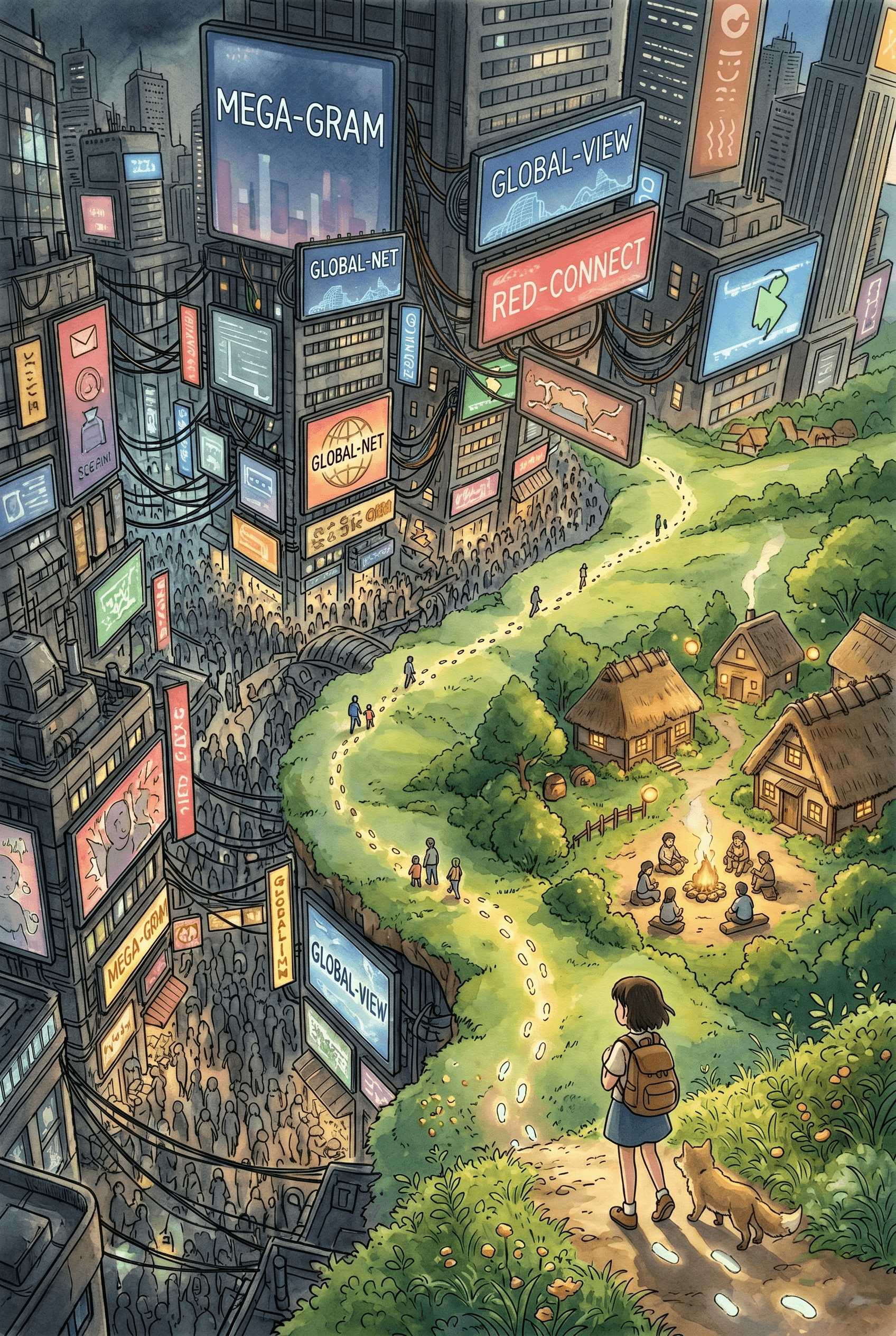
For over a decade, the dominant promise of the consumer internet was hyper-connectivity. Success was measured in billions of active users, viral reach, and global town squares. But a fundamental shift in user behavior is quietly underway.
Instead of broadcasting their lives to public feeds, millions of people are retreating from major social media platforms like Instagram, X, and TikTok. They aren't necessarily deleting their accounts, but they are logging off mentally—ceasing to post, comment, or engage. Industry data highlights this drift: a significant portion of users on major networks have transitioned into "lurkers," with studies showing that the top 10% of active accounts generate upwards of 80% of all public posts, leaving the vast majority of the user base silent. Instead, they are moving toward smaller, closed, or heavily curated digital spaces.
This isn't just a temporary digital detox; it is the "quiet quitting" of the public internet in favor of micro-communities.
The Erosion of the Public Town Square
The mass migration to micro-communities is driven primarily by the breakdown of the value proposition of major social networks. Originally designed to connect friends and family, these platforms have evolved into algorithmically optimized broadcast networks designed to maximize monetization and screen time.
Several distinct factors have accelerated this fatigue:
- Algorithmic Estrangement: Platforms have largely abandoned the chronological feed of social connections in favor of recommendation engines. A user's feed is no longer a reflection of who they follow, but a stream of optimized, often sensationalized content from strangers.
- The Commercialization of Interaction: The pressure to monetize attention has turned regular users into passive consumers and created an environment where every interaction feels transactional. Research indicates that the average user is now served an ad or a sponsored post roughly every 4 to 5 organic content items, disrupting the natural flow of socializing.
- The Collapse of Context: In a massive, public forum, a post intended for a small group of hobbyists can easily be stripped of its context and served to an audience that misinterprets it, leading to a perpetual state of outrage and defensive posting.
The result is an environment that feels less like a cozy neighborhood pub and more like a crowded, noisy stadium where everyone is shouting to be heard over the loudspeakers.
The Rise of the Velvet Rope Internet
In response, users are seeking out digital spaces that offer intimacy, relevance, and psychological safety. This has catalyzed the growth of platforms that prioritize closed or semi-private infrastructure.
Rather than trying to appeal to everyone, these micro-communities thrive on specificity and shared intent.
Curated Platforms and Communication Hubs
Platforms like Discord and WhatsApp Groups have shifted from utility tools into primary social hubs. Discord, which began as a chat app for gamers, now hosts over 19 million active servers weekly, dedicated to everything from niche book clubs and local neighborhood groups to highly technical professional networks. These spaces offer a return to the early internet's forum culture, where discussions are threaded, predictable, and moderated by peers rather than automated corporate algorithms.
Paid and Professional Ecosystems
Substack and Patreon have redefined the relationship between creators and audiences. By moving content behind a subscription or a simple email sign-up, creators filter out casual drive-by commentators. Substack's ecosystem has scaled to over 3 million paid subscriptions globally, illustrating that the comment sections of paid publications frequently offer more rigorous, civil, and insightful discussions than the entirety of public social media feeds, simply because the barrier to entry requires intentionality.
Fragmented Niche Networks
Platforms like Letterboxd for film enthusiasts, Strava for athletes, or Goodreads for readers are thriving because they do one thing exceptionally well. Letterboxd, for example, expanded its community to over 14 million members by remaining strictly focused on cinema. They strip away the geopolitical noise, corporate advertising, and generalized outrage of the broader internet to focus entirely on a shared human interest.
Real-World Behavioral Shifts
This fragmentation is changing how people behave online and how digital culture propagates.
When interactions move behind closed doors, culture becomes localized rather than universal. Memes, vocabulary, and trends are developing within specific digital silos, making it harder for a single phenomenon to capture global attention the way it might have five years ago.
For brands and institutions, this shift poses a severe challenge. The traditional playbook of buying broad programmatic advertisements or attempting to "go viral" is yielding diminishing returns. With user engagement on standard feed ads dropping—often resulting in click-through rates (CTR) hovering below 1%—reaching an audience now requires understanding how to authentically engage with highly protective, skeptical micro-communities without disrupting the very ecosystem that makes them appealing.
Furthermore, this trend reflects a growing consumer willingness to pay for privacy and curation. For years, the unwritten contract of the internet was that services were free in exchange for user data and attention. Today, users are increasingly willing to pay financial premiums—via subscriptions, memberships, or platform fees—to navigate an internet free from algorithmic manipulation and intrusive advertising.
The retreat into smaller digital spaces is a rational response to an oversaturated, hyper-optimized public internet. The era of the monolithic social network is not ending overnight, but its cultural monopoly is breaking apart. As the internet fragments into a constellation of digital living rooms, the metrics of online success are shifting away from sheer scale and toward depth, trust, and genuine human connection.
Enjoyed this story?
More for you
Keep reading
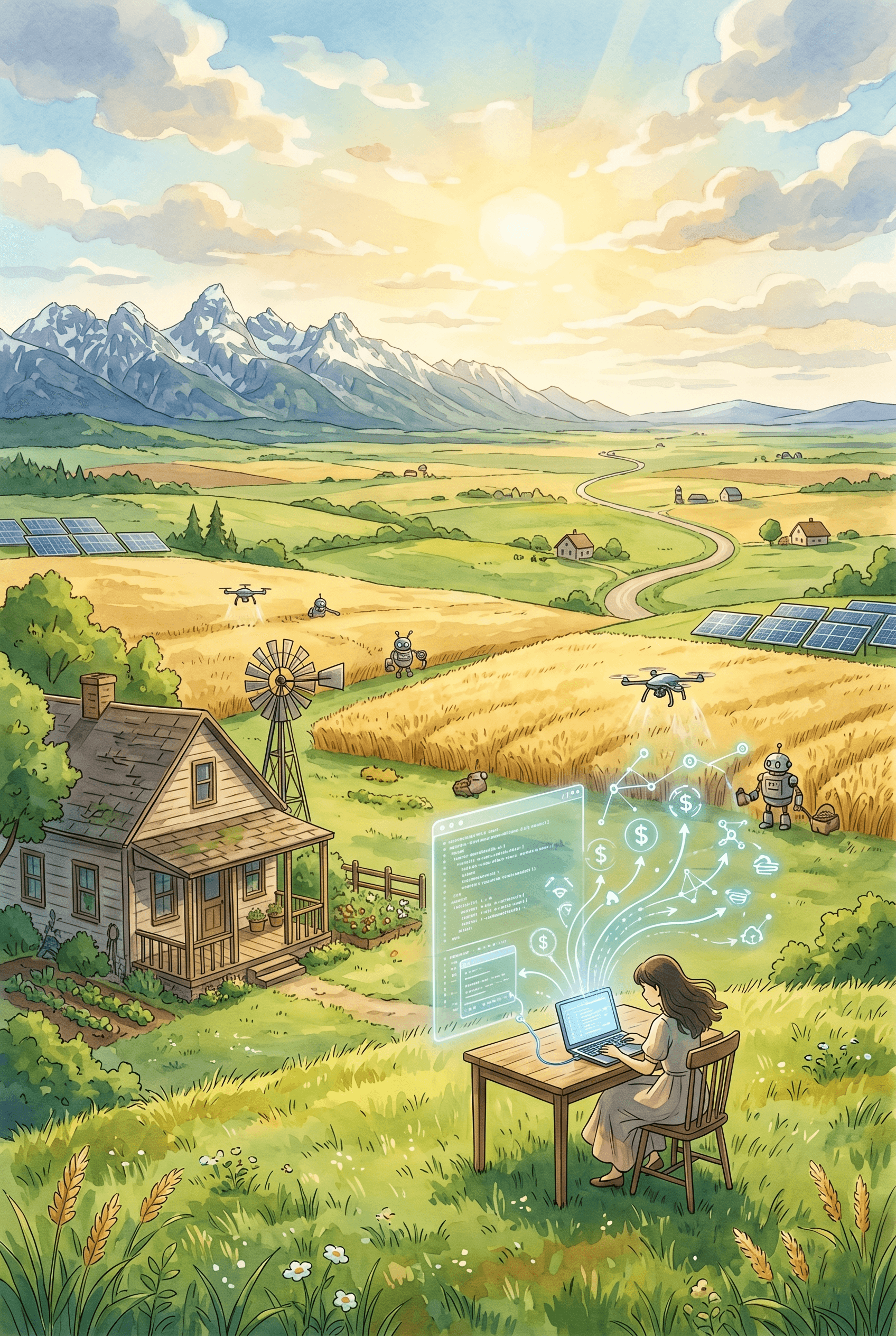
The New American Dream: How People Are Making Passive Income with AI in Texas, Wyoming, and Rural America
From Texas to rural America, individuals are using AI to build passive income streams that operate with minimal daily effort. Here’s what’s really happening.
Read moreBriefs
Latest News
WEB3
XEO Ecosystem Releases Official Track "3.5 Billion Years" Produced by QuixTilt Records
Oct 1, 2026· 1 min

GLOBAL
Inside HSBC and the Bank of England’s Digital Securities Sandbox
Jul 25, 2026· 6 min
GLOBAL
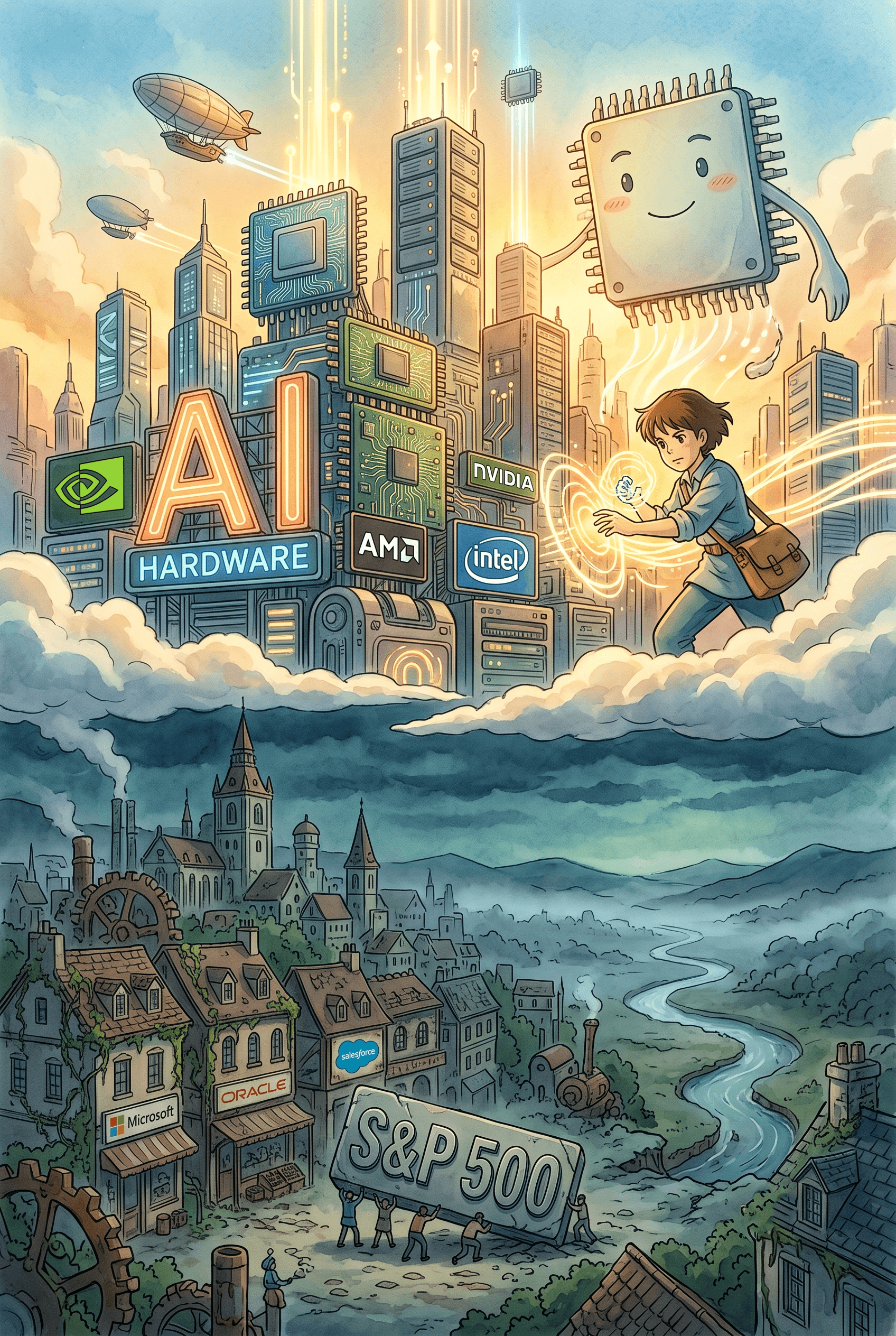
Why S&P 500 Software is Lagging While AI Hardware Dominates 2026
Jul 25, 2026· 7 min
GLOBAL
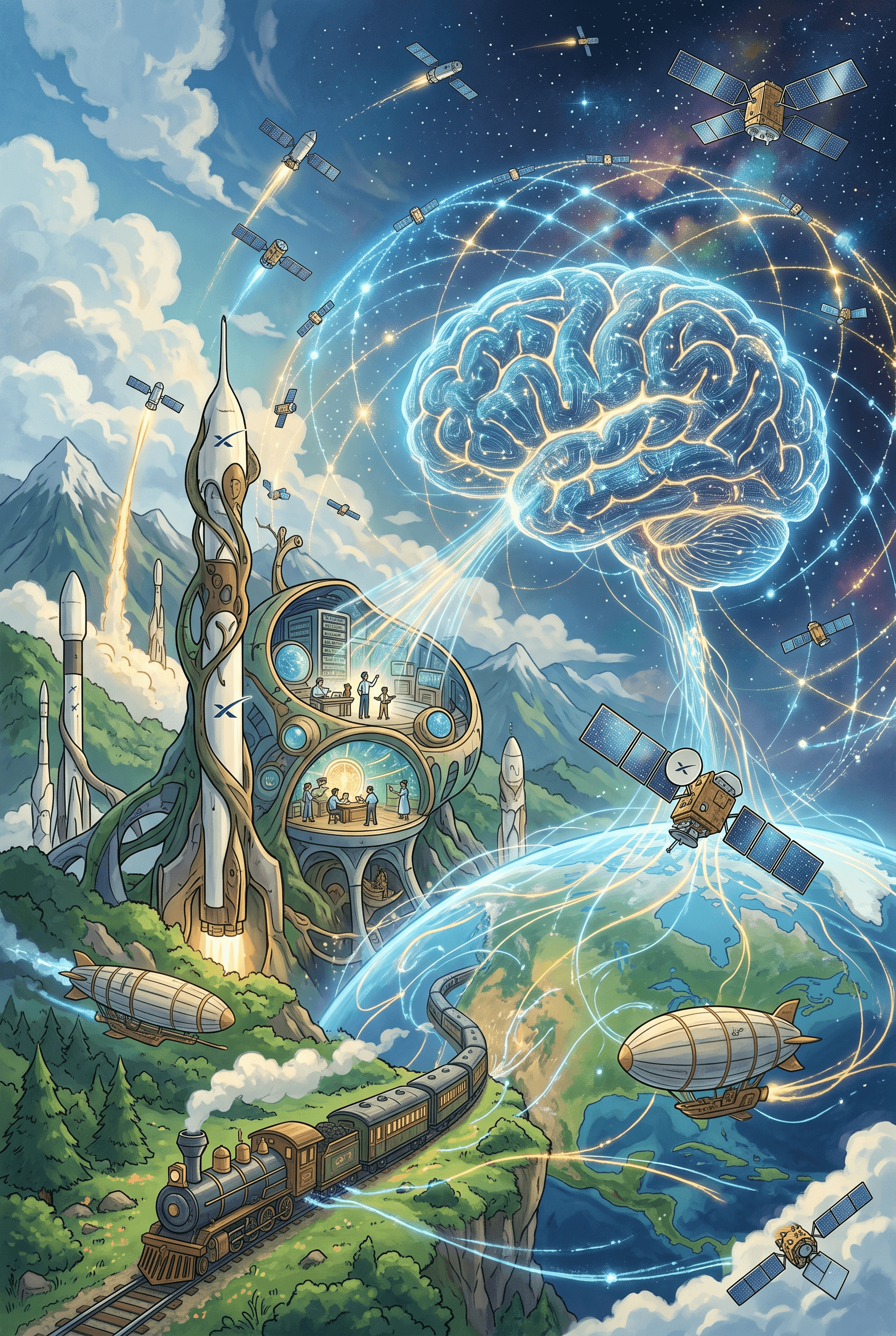
Why Wall Street is Re-Valuing SpaceX as an AI Infrastructure Giant
Jul 25, 2026· 8 min
WEB3
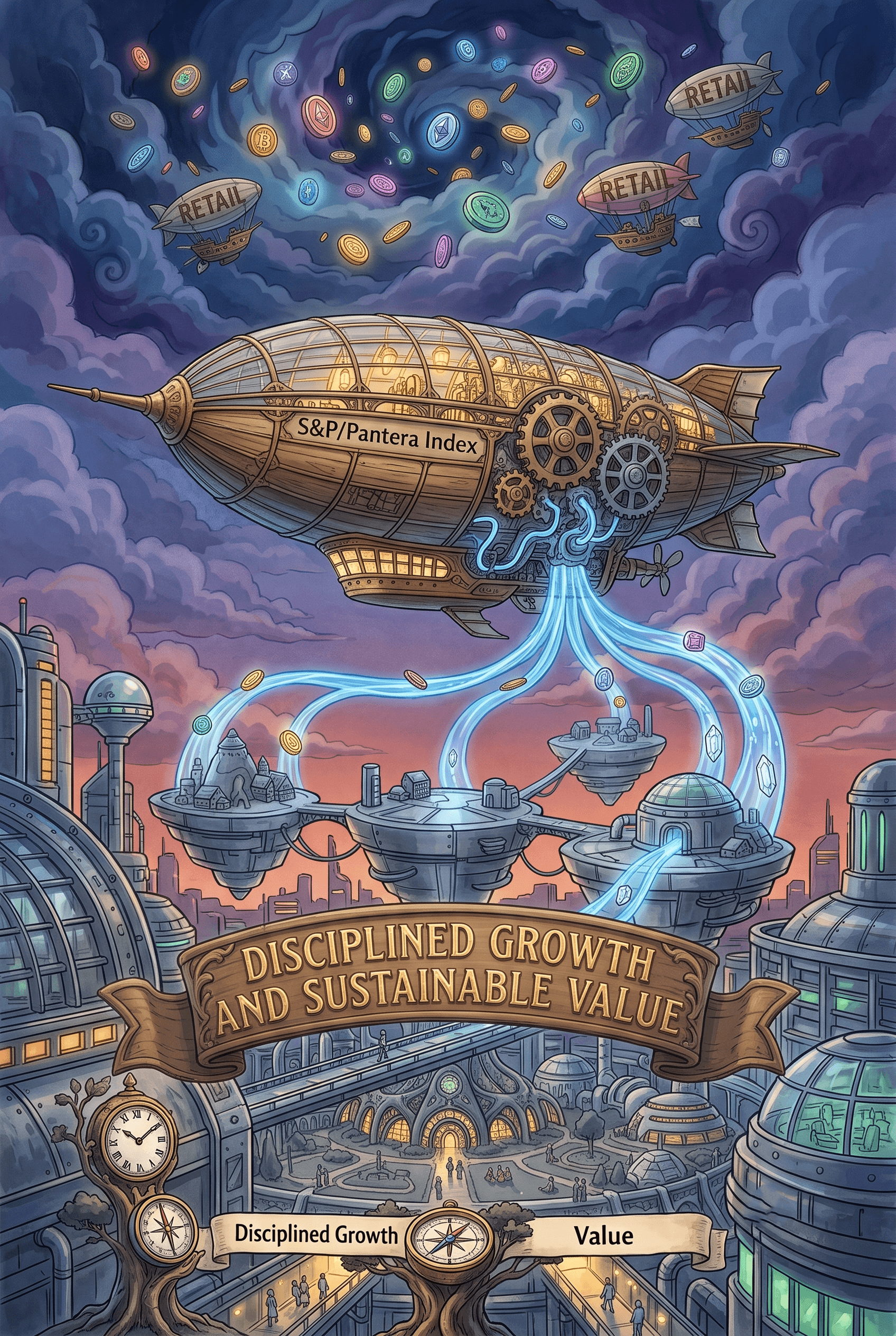
S&P and Pantera’s Index Launch and the End of Speculative Token Valuation
Jul 22, 2026· 7 min

GLOBAL
The Algorithmic Border: How Kinetic Supply Chains are Reindexing South China Sea Logistics
Jul 10, 2026· 3 min

WEB3
A Vision Coming to Life: XEO Takes Strategic Steps to Shape the "Living Ecosystem" of the Future
Jul 8, 2026· 2 min
GLOBAL
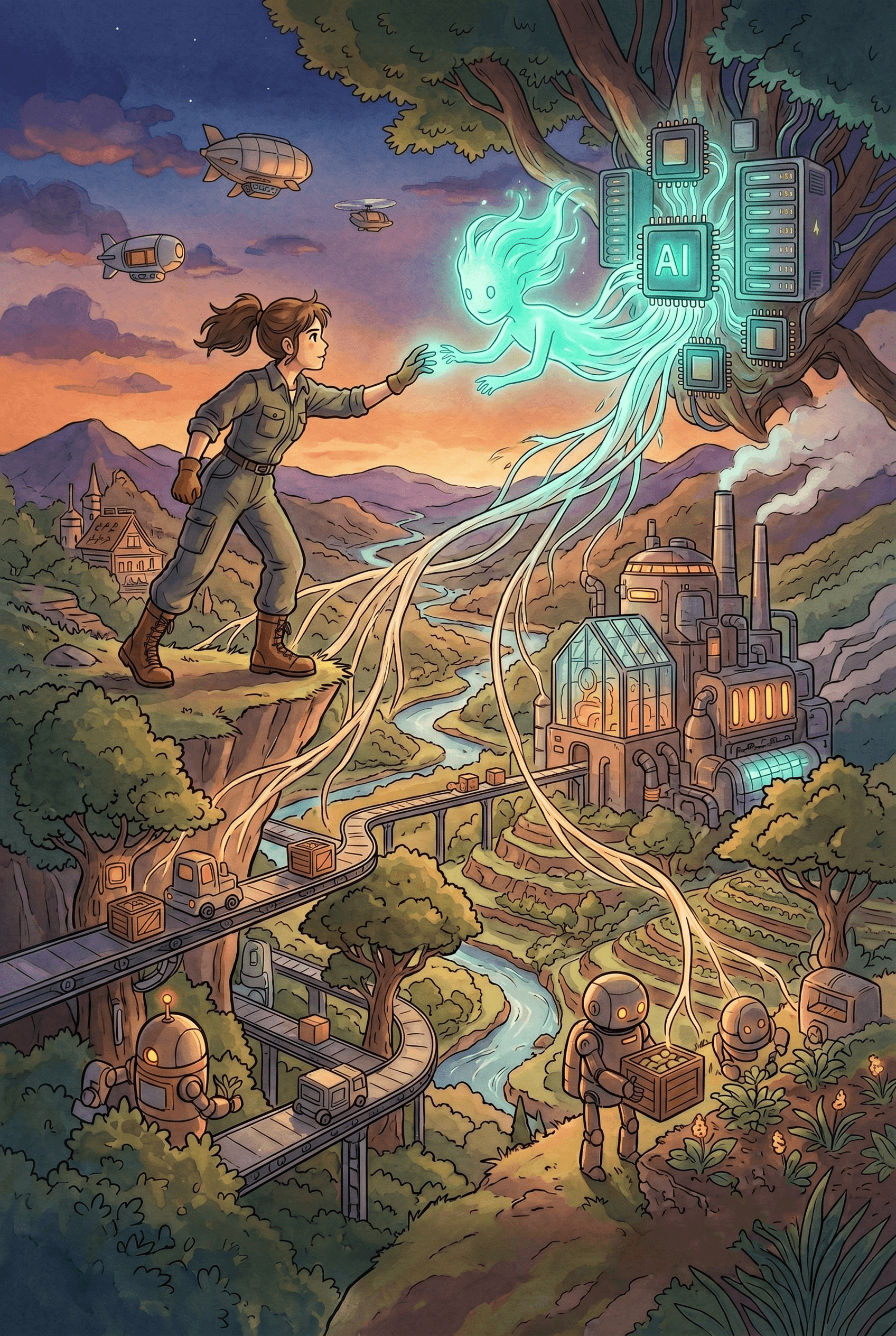
The Screen Is No Longer Enough: Inside Silicon Valley’s Physical AI Pivot
May 19, 2026· 4 min
GLOBAL
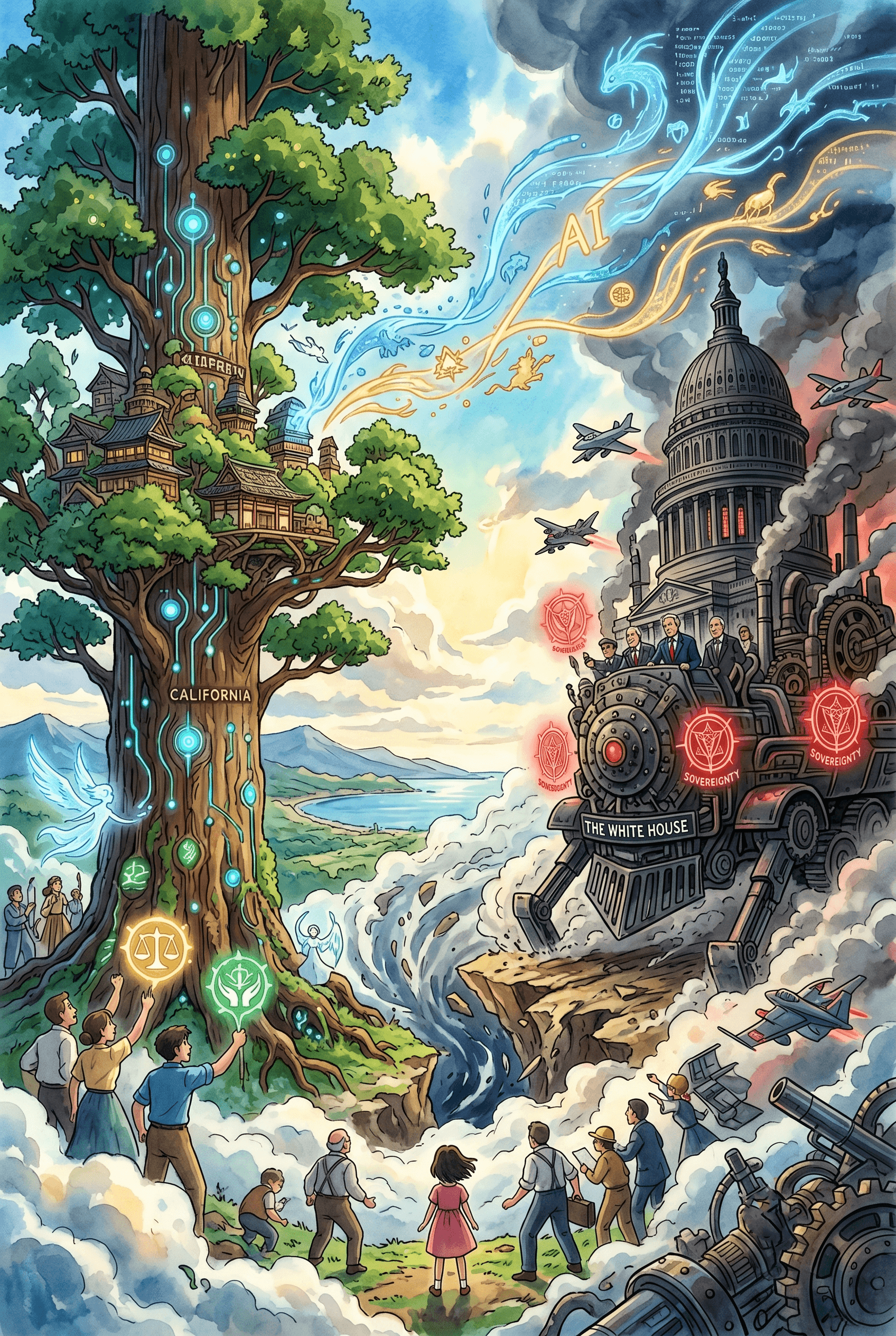
Silicon Valley’s New Cold War: California vs. The White House Over AI Rules
May 19, 2026· 4 min
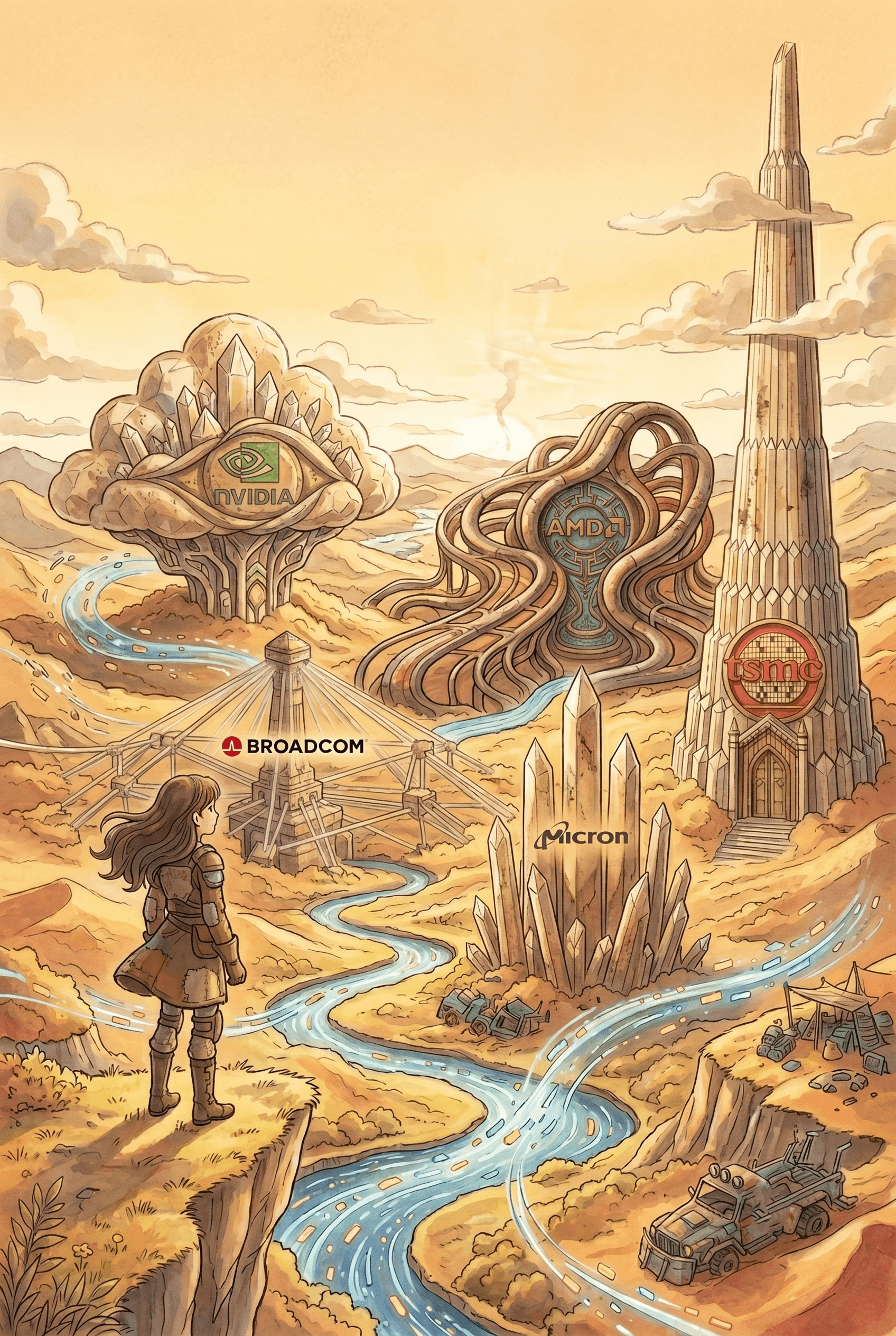
GLOBAL
Top 5 AI Processor Stocks to Watch in 2026
May 19, 2026· 4 min
From the feed
Latest Articles
WEB3
The Quiet Genesis: Why XEO is Refusing the Hype Cycle to Build a Sovereign Living Ecosystem
Aug 23, 2026· 2 min
CULTURE
The Bio-Digital Commons: Why Synthetic Biology Requires Decentralized Infrastructure
Jul 24, 2026· 6 min

CULTURE
The Shift Toward Abandoned Mining Shafts for Sovereign Data Center Architecture
Jun 30, 2026· 6 min

CULTURE
Premium Minimalist Hardware and the High-Stakes Economy of Digital Detargeting
Jun 24, 2026· 13 min
CULTURE
Licensing the Mind: The Economics of Generative Agents as High-Yield Digital Assets
Jun 23, 2026· 10 min

WEB3
The Sovereignty Deficit: Why Stablecoin Regulations in Emerging Markets are Forcing Capital Offshore
Jun 18, 2026· 4 min
WEB3
The Missing Piece in GameFi And How XEO Plans to Redefine Ownership, Utility, and Competitive Play
May 27, 2026· 3 min

CULTURE
Cognitive Sanctuary: E-Ink Monitors and the Aristocracy of Attention in the Age of Information Overload
May 22, 2026· 5 min
WEB3
Monero’s War on ASICs and the Structural Economics of Absolute Privacy
May 20, 2026· 10 min

WEB3
Top 10 Proof-of-Work Networks: Efficiency, Hardware Ecosystems, and Market Realities
May 18, 2026· 9 min