Tesla’s Q1 Resilience: The Lone Giant vs. The China Redefinition
Tesla remains resilient—but no longer alone. As Chinese EV ecosystems rise, the competition shifts from innovation to system-level dominance.
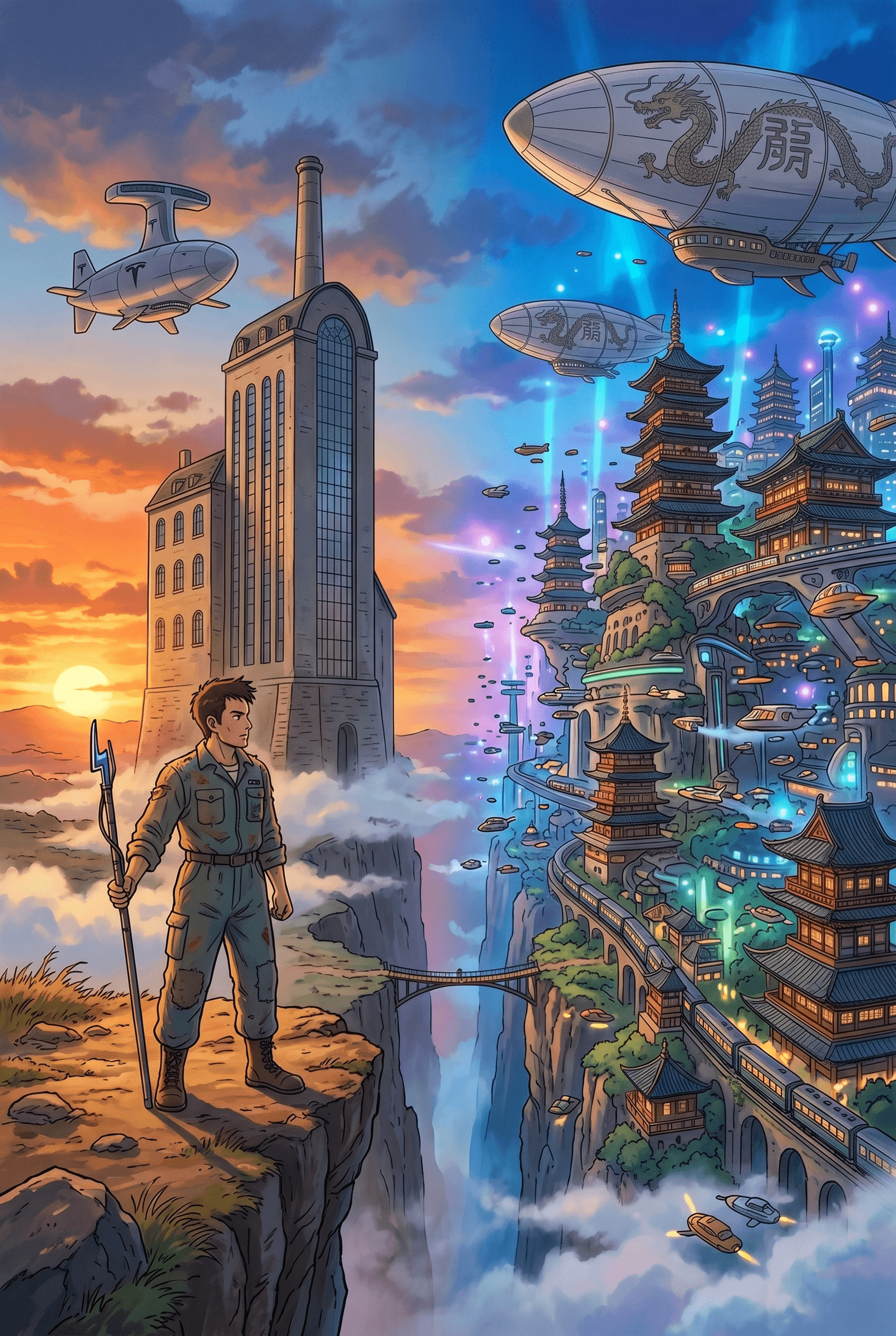
When Innovation Meets Industrial Power
There are moments when a quarterly report stops being about numbers.
Tesla’s latest earnings release was one of those moments.
On the surface, it looked familiar—production figures, delivery counts, margins under pressure. But beneath that surface, something deeper was unfolding. This was not just a company reporting performance. It was a system revealing its limits.
Because for the first time, Tesla is no longer being measured against its past.
It is being measured against a different future.
Tesla produced over 400,000 vehicles this quarter and delivered slightly fewer. On paper, that gap looks like a minor inefficiency. In reality, it signals something much more uncomfortable: the constraint is no longer production.
It is demand.
For over a decade, Tesla’s greatest challenge was whether it could build enough. Today, the question has quietly shifted to something else entirely:
Will people still choose it?
This is not a collapse. Tesla is not failing. If anything, it is adapting faster than most companies ever could. Its pivot toward software is no longer an experiment—it is survival. Full Self-Driving is no longer just a feature; it is a financial buffer, a layer of recurring revenue that traditional automakers simply do not possess. At the same time, its energy division is expanding into something far larger than cars, positioning Tesla as a distributed infrastructure player rather than a pure manufacturer.
But even with all of that, the ground beneath it is changing.
For years, the Western narrative around Chinese manufacturing was built on a simple assumption: fast, cheap, but ultimately inferior.
That assumption is now collapsing in real time.
Chinese EV companies are no longer trying to catch up. They are redefining the category. The shift is subtle at first, but once seen, it becomes impossible to ignore. The competition is no longer about acceleration times or battery range. It is about integration. About experience. About how seamlessly a vehicle fits into a digital life.
In that world, Tesla is no longer the obvious answer.
Because the product itself has changed.
A car is no longer just a machine. It is an environment. An interface. A node in a larger system. And Chinese manufacturers understand this at a level that feels fundamentally different. Their vehicles are not designed as isolated products. They are designed as extensions of ecosystems—connected to smartphones, services, and daily behavior in ways that feel natural to the user.
This is why the shift is dangerous.
Not because Tesla cannot compete, but because the rules of competition are being rewritten.
Behind all of this lies something even more decisive than product design.
Infrastructure.
While the West continues to optimize innovation cycles, China has already optimized the supply chain. The control is not partial. It is structural. From raw materials to battery production, from component manufacturing to final assembly, the system is vertically integrated in a way that leaves very little room for disruption.
This is not just efficiency.
It is leverage.
Because when the entire chain is under control, speed becomes inevitable. Cost becomes flexible. And scale becomes overwhelming.
The United States, in contrast, is still trying to rebuild what it once outsourced. Policies are being introduced, incentives are being deployed, tariffs are being raised. But these are defensive moves. They are attempts to catch up to a system that has already moved ahead.
And time, in this equation, is not neutral.
This is where Tesla’s position becomes uniquely complex.
It is not just competing with companies.
It is competing with a model.
On one side, there is a decentralized, innovation-driven ecosystem—fast, creative, but often fragmented. On the other, a centralized, execution-focused system—disciplined, aligned, and relentless in its direction.
Tesla sits between these two worlds, carrying the weight of one while facing the force of the other.
It has no true counterpart in the West. Traditional automakers are stepping back, hedging their bets, returning to hybrids, protecting margins. In doing so, they leave Tesla exposed—not weakened, but alone.
And being alone in a market like this is not a position of strength.
It is a test of endurance.
What we are witnessing is not just an industry shift.
It is a change in how power is structured.
The EV race is often framed as a technological competition, but technology is only the visible layer. The real battle is happening underneath, in the flow of materials, in the ownership of systems, in the ability to scale without friction.
In that sense, the outcome will not be decided by who builds the best car.
It will be decided by who controls the system that builds all cars.
Tesla is still standing. Still innovating. Still ahead in many ways that matter.
But resilience, in a changing system, is not dominance.
It is resistance.
And the question that now defines this moment is no longer whether Tesla can lead.
It is whether a single company—no matter how advanced—can hold its ground against an entire industrial ecosystem that is moving as one.
Because this is no longer a company vs company story.
It is a system vs system reality.
And those are much harder to win.
Enjoyed this story?
More for you
Keep reading

The AI Infrastructure Race: Why Compute, Electricity, and Data Centers Are Becoming the New Global Power Assets
The global balance of power is shifting away from oil and toward AI infrastructure. Compute capacity, electricity production, semiconductor access, and hyperscale data centers are becoming the strategic assets of the next decade.
Read moreFrom the feed
Latest Articles
WEB3
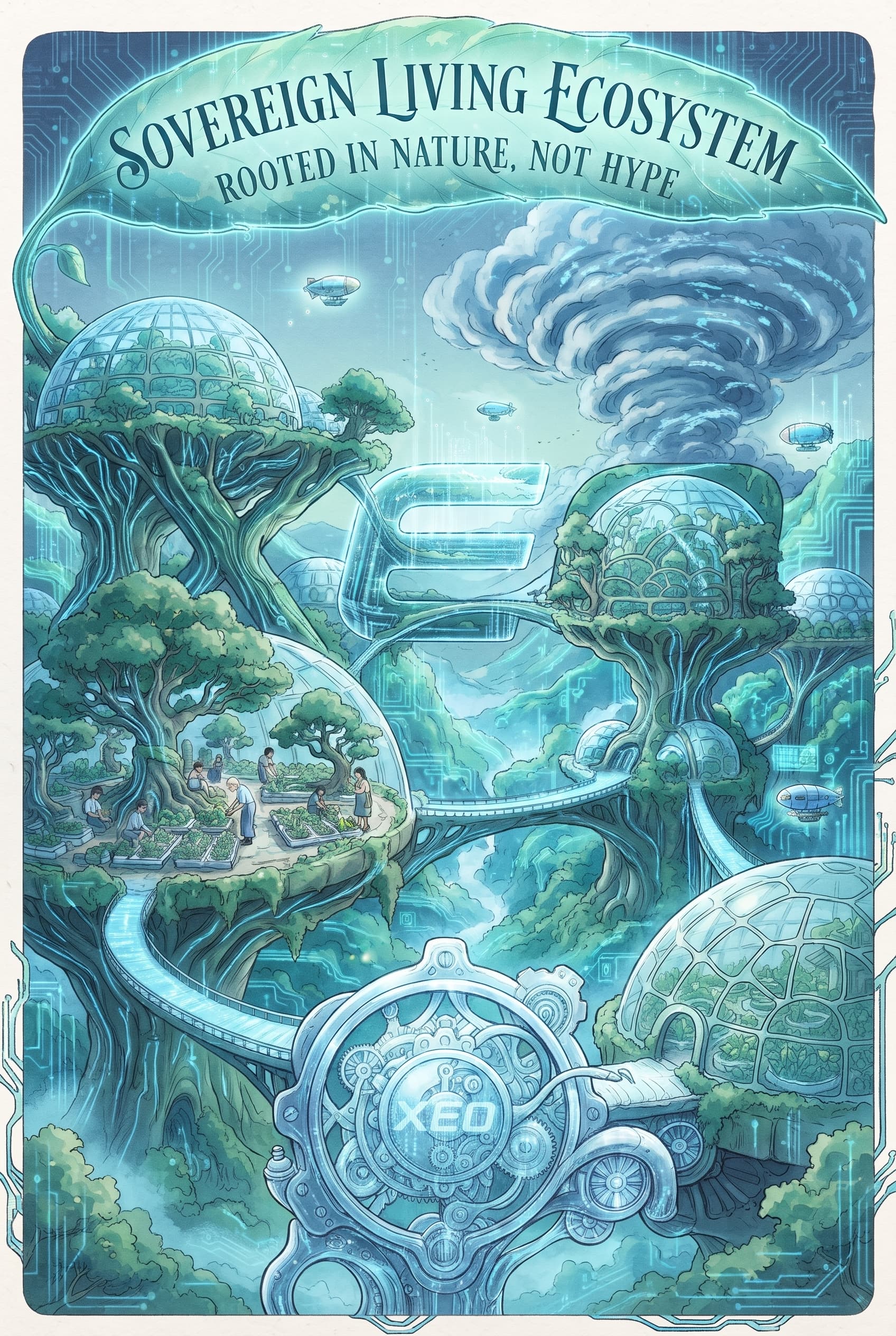
The Quiet Genesis: Why XEO is Refusing the Hype Cycle to Build a Sovereign Living Ecosystem
Aug 23, 2026· 2 min

CULTURE
The Bio-Digital Commons: Why Synthetic Biology Requires Decentralized Infrastructure
Jul 24, 2026· 6 min

CULTURE
The Shift Toward Abandoned Mining Shafts for Sovereign Data Center Architecture
Jun 30, 2026· 6 min

CULTURE
Premium Minimalist Hardware and the High-Stakes Economy of Digital Detargeting
Jun 24, 2026· 13 min

CULTURE
Licensing the Mind: The Economics of Generative Agents as High-Yield Digital Assets
Jun 23, 2026· 10 min

WEB3
The Sovereignty Deficit: Why Stablecoin Regulations in Emerging Markets are Forcing Capital Offshore
Jun 18, 2026· 4 min

WEB3
The Missing Piece in GameFi And How XEO Plans to Redefine Ownership, Utility, and Competitive Play
May 27, 2026· 3 min

CULTURE
Cognitive Sanctuary: E-Ink Monitors and the Aristocracy of Attention in the Age of Information Overload
May 22, 2026· 5 min
WEB3
Monero’s War on ASICs and the Structural Economics of Absolute Privacy
May 20, 2026· 10 min

WEB3
Top 10 Proof-of-Work Networks: Efficiency, Hardware Ecosystems, and Market Realities
May 18, 2026· 9 min
Briefs
Latest News

WEB3
XEO Ecosystem Releases Official Track "3.5 Billion Years" Produced by QuixTilt Records
Oct 1, 2026· 1 min

GLOBAL
Inside HSBC and the Bank of England’s Digital Securities Sandbox
Jul 25, 2026· 6 min
GLOBAL
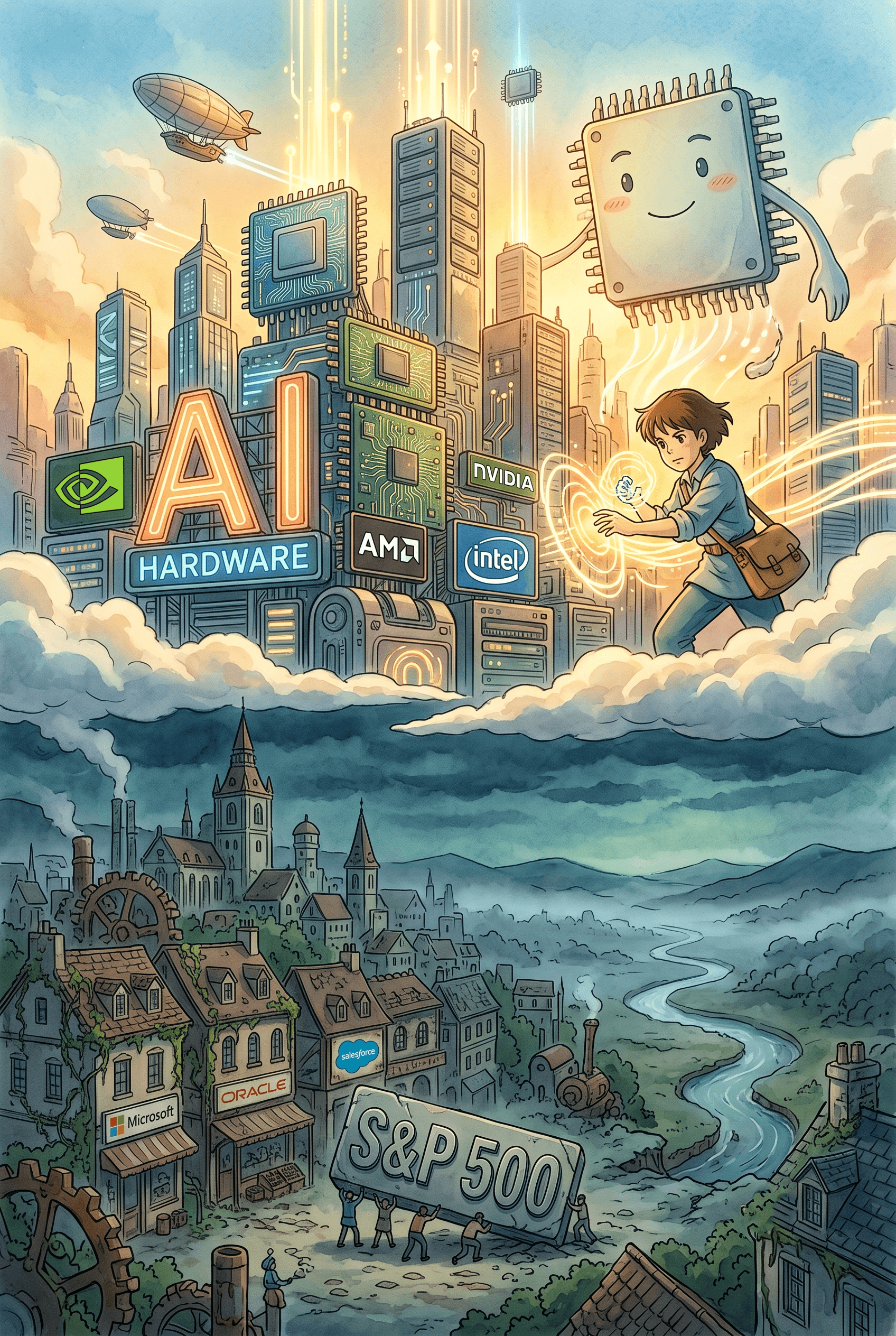
Why S&P 500 Software is Lagging While AI Hardware Dominates 2026
Jul 25, 2026· 7 min

GLOBAL
Why Wall Street is Re-Valuing SpaceX as an AI Infrastructure Giant
Jul 25, 2026· 8 min
WEB3
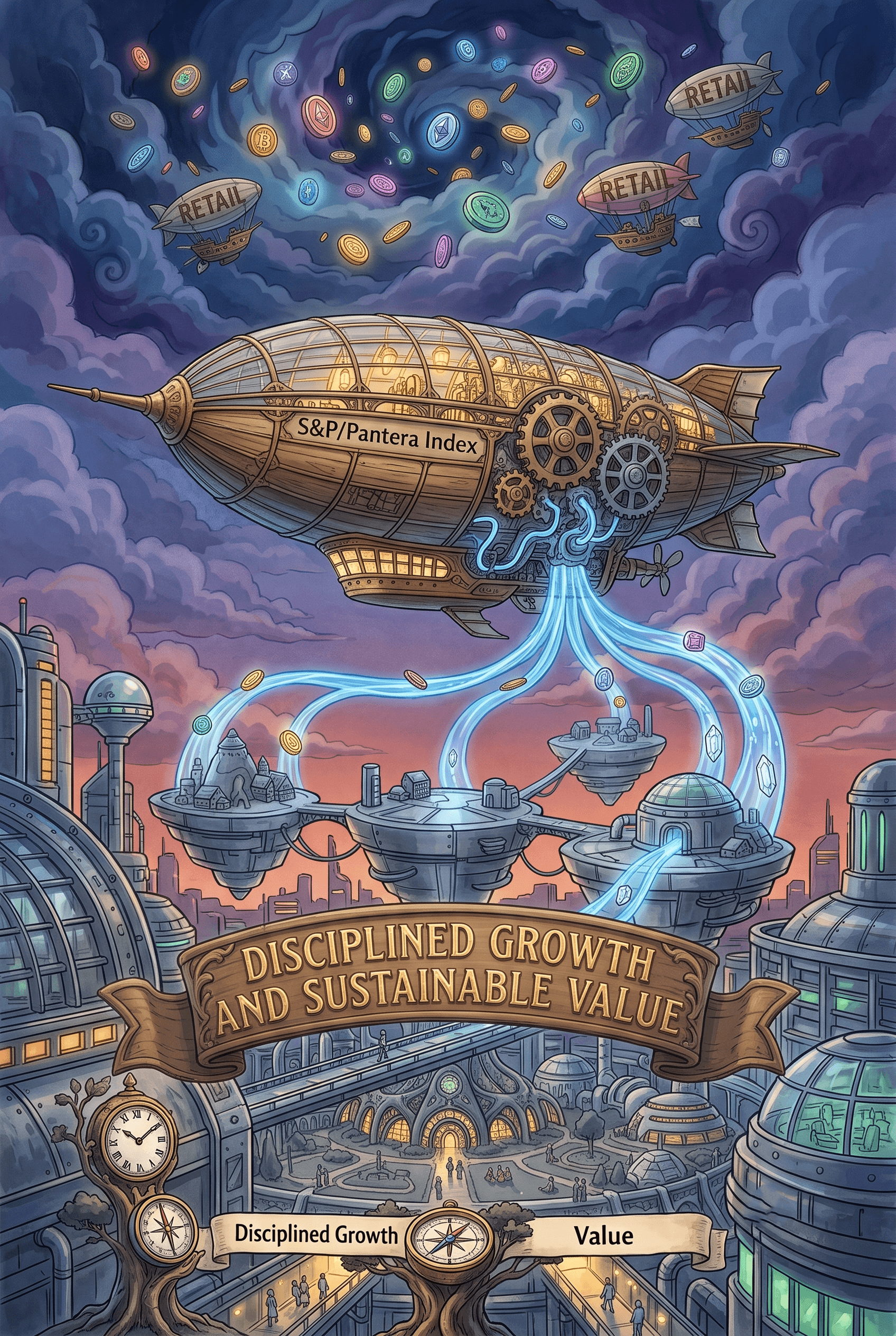
S&P and Pantera’s Index Launch and the End of Speculative Token Valuation
Jul 22, 2026· 7 min

GLOBAL
The Algorithmic Border: How Kinetic Supply Chains are Reindexing South China Sea Logistics
Jul 10, 2026· 3 min

WEB3
A Vision Coming to Life: XEO Takes Strategic Steps to Shape the "Living Ecosystem" of the Future
Jul 8, 2026· 2 min
GLOBAL
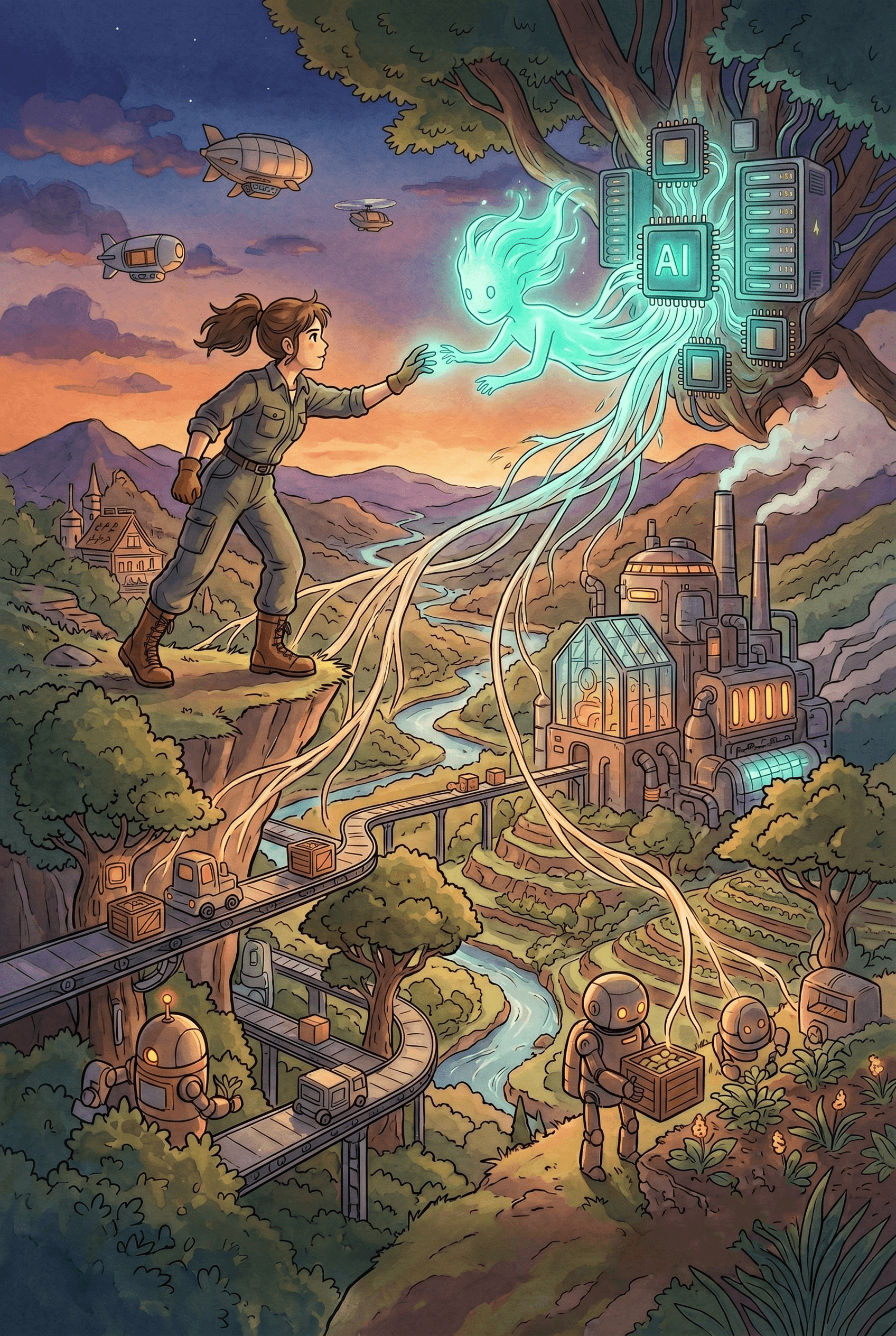
The Screen Is No Longer Enough: Inside Silicon Valley’s Physical AI Pivot
May 19, 2026· 4 min
GLOBAL
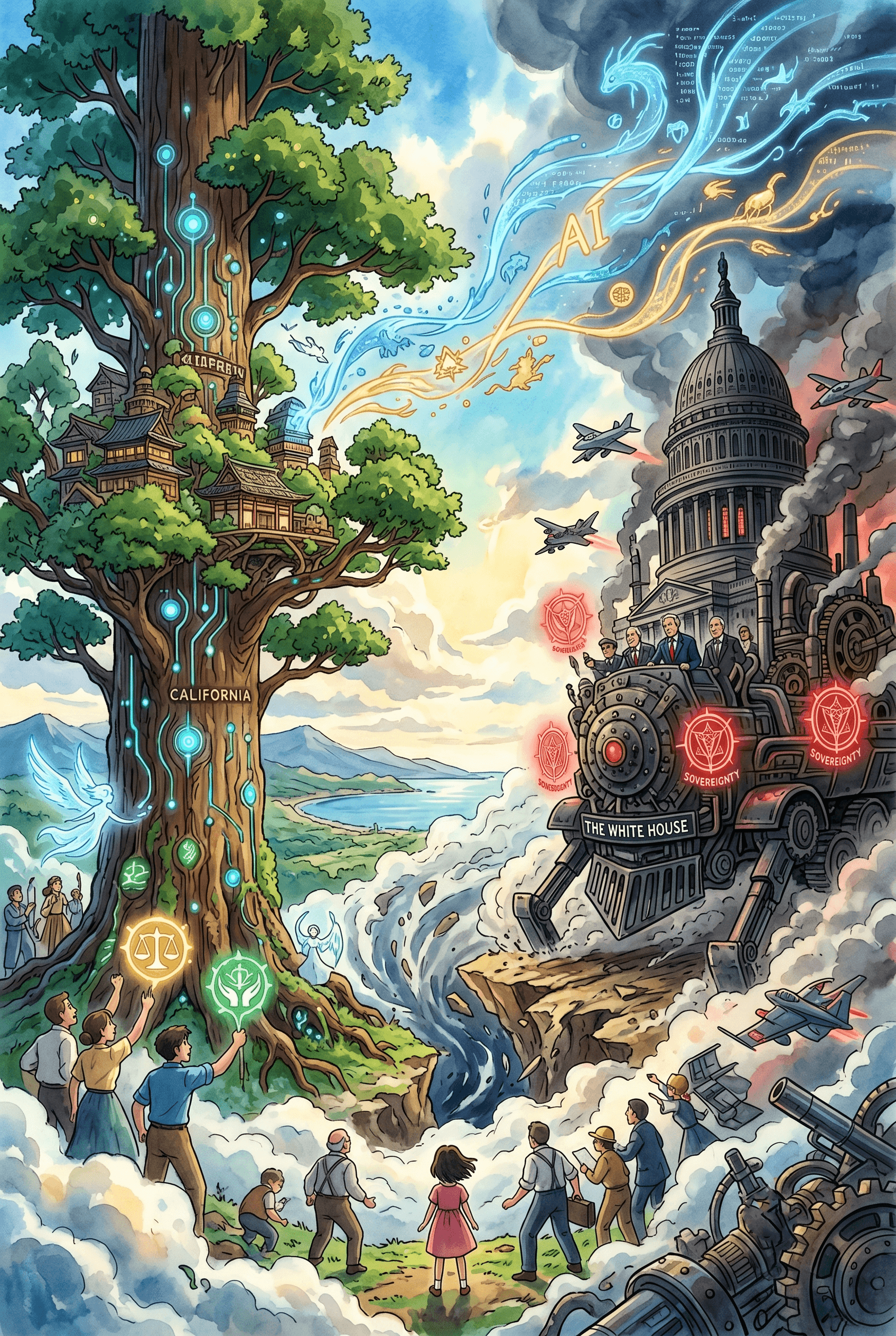
Silicon Valley’s New Cold War: California vs. The White House Over AI Rules
May 19, 2026· 4 min
GLOBAL
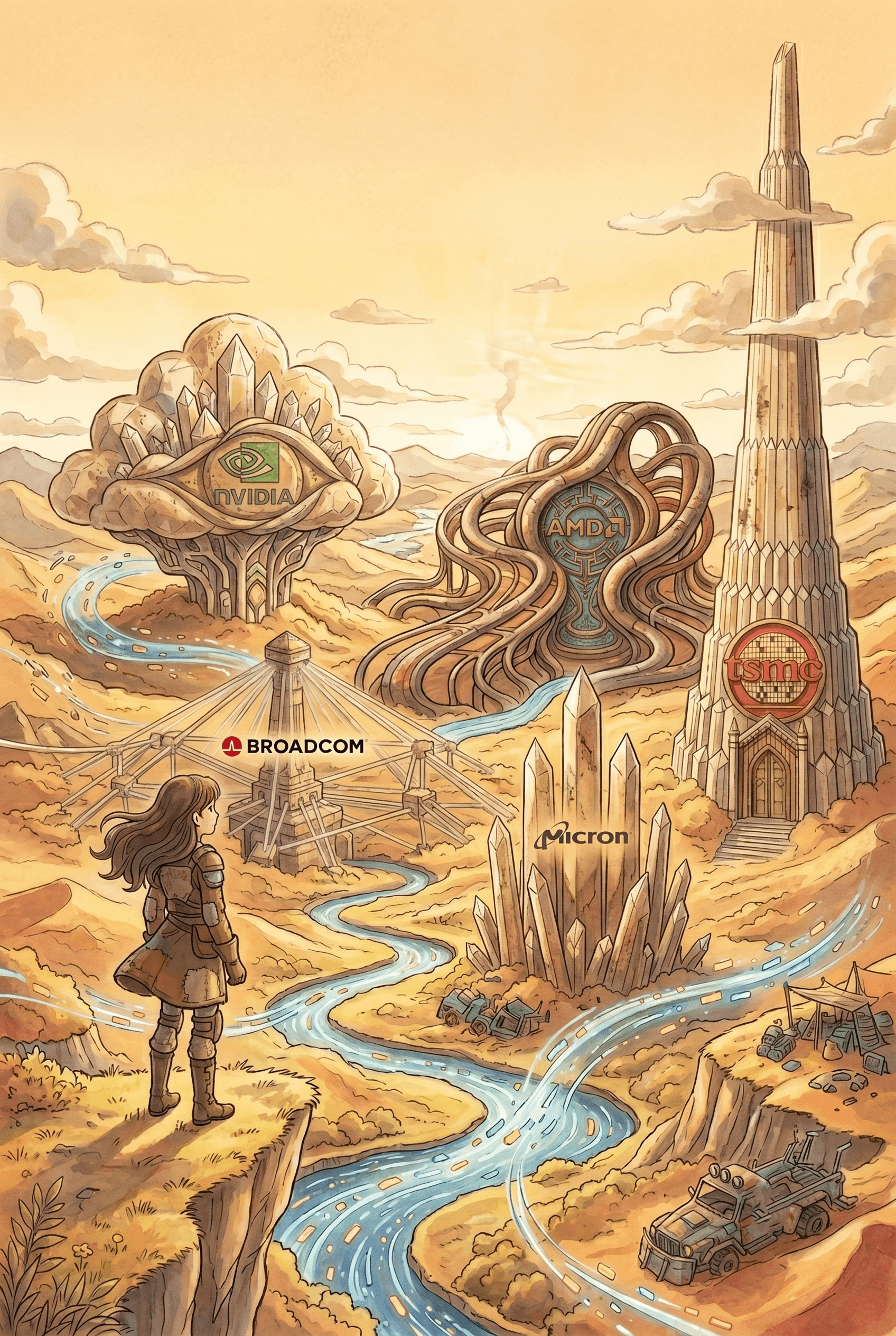
Top 5 AI Processor Stocks to Watch in 2026
May 19, 2026· 4 min