TSMC’s A16 Leap: The Battle of Giants and the Quest for Chip Democracy
TSMC pushes the limits of chip technology—but at what cost? As the industry advances, the gap between giants and innovators continues to widen.

When Progress Becomes a Barrier
There was a time when smaller meant better.
Smaller transistors, faster chips, more efficient systems—this was the simple logic that drove the semiconductor industry for decades. It was a race defined by physics, measured in nanometers, and celebrated as pure human progress.
But in 2026, that logic is beginning to fracture.
Because when TSMC unveiled its A16 (1.6nm) node, the industry did not just witness another technological leap. It witnessed a boundary being pushed so far forward that fewer and fewer players can even see it—let alone reach it.
And that is where the real story begins.
At first glance, the A16 is exactly what the world expects from TSMC: smaller, faster, more efficient. A technical masterpiece. A continuation of a trajectory that has defined modern computing.
But beneath that achievement lies a quiet shift.
This is no longer just a race of innovation.
It is a race of survival.
Because each new node does not simply improve performance—it raises the cost of entry to a level that borders on exclusion. Tens of billions of dollars are no longer competitive advantage; they are the minimum requirement to participate.
The semiconductor industry is no longer scaling evenly.
It is concentrating.
TSMC’s introduction of backside power delivery—marketed as Super Power Rail—is not just an engineering solution. It is a statement. It signals that the complexity of chip design has reached a point where only a handful of companies can solve the problems that remain.
Intel and Samsung are still in the race, but even among giants, the gap is widening. The competition is no longer broad. It is narrowing into a small circle of players who are capable of sustaining the financial and technological pressure required to keep moving forward.
And outside that circle, an uncomfortable reality is forming.
Everyone else is falling behind.
The narrative of the “chip shortage” that dominated the early 2020s has evolved into something more structural.
This is no longer a supply issue.
It is a sovereignty issue.
Because when the world depends on a small number of advanced fabrication facilities—most of them concentrated in specific regions—every geopolitical shift becomes a technological risk.
Every disruption becomes systemic.
Every dependency becomes visible.
The question is no longer whether chips can be produced.
It is who controls the ability to produce them.
For years, the industry assumed that innovation would eventually diffuse. That as technology matured, access would widen. That smaller companies would find their place as the giants moved forward.
But that assumption is now under pressure.
Because the frontier is moving faster than the rest of the ecosystem can follow.
And so a different kind of question is beginning to emerge:
Will this race ever slow down enough for others to catch up?
There are early signs that the answer may not come from scaling down, but from changing direction.
Edge AI is one of those signals.
As computation moves away from centralized data centers and toward local devices, the demand for massive, generalized chips begins to fragment. Not every system needs the most advanced node. Not every application benefits from absolute miniaturization.
In that fragmentation, there is opportunity.
Not for the giants—but for everyone else.
The same is true for chiplet architecture.
Instead of building one monolithic chip at the cutting edge of physics, companies are beginning to assemble systems from smaller, specialized components. These chiplets can be designed independently, optimized for specific tasks, and combined into larger systems without requiring the full cost of advanced node manufacturing.
It is a subtle shift.
But it changes the equation.
Because for the first time in years, it suggests that innovation does not have to be centralized.
It can be modular.
And yet, these paths are still emerging.
The dominant reality of 2026 remains unchanged:
The most advanced layer of the semiconductor industry is controlled by a few.
This is where the idea of “chip democracy” becomes more than a slogan.
It becomes a necessity.
Because the future of computing cannot depend indefinitely on a structure where access is limited to those with the deepest capital reserves and the strongest geopolitical backing.
If that model persists, the result is not just technological imbalance.
It is systemic fragility.
The deeper tension lies in what can be described as the “Silicon vs Carbon” divide.
On one side, silicon—the infrastructure of machines, computation, and automation. On the other, carbon—human systems, creativity, and adaptability.
For decades, silicon has been accelerating at a pace that carbon struggles to match. But when access to silicon becomes restricted, the imbalance intensifies. Innovation slows not because ideas disappear, but because the tools required to realize them become inaccessible.
In that sense, the semiconductor race is no longer just about hardware.
It is about who gets to build the future.
Geography reinforces this divide.
Advanced fabrication is not evenly distributed. It is clustered, protected, and deeply tied to national strategy. Governments are no longer treating chips as commercial products. They are treating them as strategic assets—no different from energy, defense, or currency.
Subsidies, export controls, and industrial policies are shaping the flow of technology in ways that extend far beyond the market.
The chip is no longer just a component.
It is leverage.
And this is where the paradox of TSMC’s achievement becomes clear.
The A16 node represents the peak of what humanity can currently build. It is a triumph of engineering, coordination, and persistence.
But it also reinforces a system where that level of capability is increasingly out of reach for most.
Progress, in this context, becomes selective.
The future, however, is not fixed.
If the next phase of the industry shifts toward modular design, distributed computation, and software-driven optimization, the balance may begin to change. The barriers may not disappear, but they may become less absolute.
In that world, a company does not need to control the most advanced node to create meaningful innovation.
It needs to understand how to work around it.
Because ultimately, the goal is not to stop the race.
It is to redefine it.
To move from a model where progress is measured by how few can advance, to one where progress is defined by how many can participate.
TSMC has once again moved the frontier.
That much is undeniable.
But the more important question is what happens behind that frontier.
Does the rest of the world follow?
Or does the gap continue to widen?
Because the real future of technology will not be decided by the smallest transistor.
It will be decided by access.
And access, in the age of silicon, is power.
Enjoyed this story?
More for you
Keep reading

The $1.75 Trillion Escape Velocity: SpaceX and the 2026 IPO Paradigm
As the mid-2026 IPO window approaches, the reported $1.75 trillion valuation for SpaceX represents the final "escape velocity" for high-tech infrastructure. This analysis examines the xAI merger, the $15 billion Starship gamble, and how the June 2026 Nasdaq listing redefines sovereign compute.
Read moreFrom the feed
Latest Articles

WEB3
The Quiet Genesis: Why XEO is Refusing the Hype Cycle to Build a Sovereign Living Ecosystem
Aug 23, 2026· 2 min

CULTURE
The Bio-Digital Commons: Why Synthetic Biology Requires Decentralized Infrastructure
Jul 24, 2026· 6 min

CULTURE
The Shift Toward Abandoned Mining Shafts for Sovereign Data Center Architecture
Jun 30, 2026· 6 min

CULTURE
Premium Minimalist Hardware and the High-Stakes Economy of Digital Detargeting
Jun 24, 2026· 13 min

CULTURE
Licensing the Mind: The Economics of Generative Agents as High-Yield Digital Assets
Jun 23, 2026· 10 min

WEB3
The Sovereignty Deficit: Why Stablecoin Regulations in Emerging Markets are Forcing Capital Offshore
Jun 18, 2026· 4 min

WEB3
The Missing Piece in GameFi And How XEO Plans to Redefine Ownership, Utility, and Competitive Play
May 27, 2026· 3 min

CULTURE
Cognitive Sanctuary: E-Ink Monitors and the Aristocracy of Attention in the Age of Information Overload
May 22, 2026· 5 min
WEB3
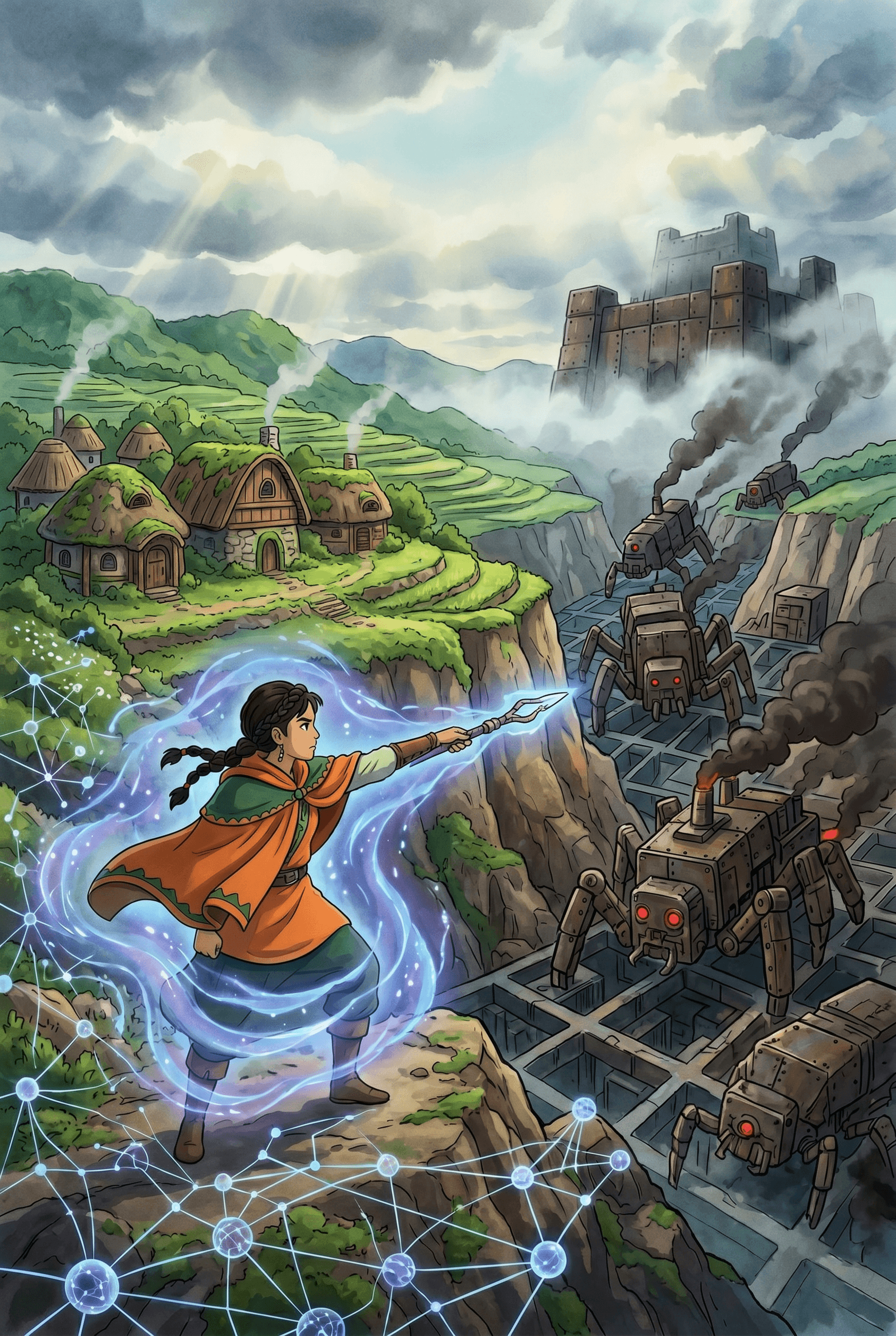
Monero’s War on ASICs and the Structural Economics of Absolute Privacy
May 20, 2026· 10 min

WEB3
Top 10 Proof-of-Work Networks: Efficiency, Hardware Ecosystems, and Market Realities
May 18, 2026· 9 min
Briefs
Latest News

WEB3
XEO Ecosystem Releases Official Track "3.5 Billion Years" Produced by QuixTilt Records
Oct 1, 2026· 1 min

GLOBAL
Inside HSBC and the Bank of England’s Digital Securities Sandbox
Jul 25, 2026· 6 min
GLOBAL
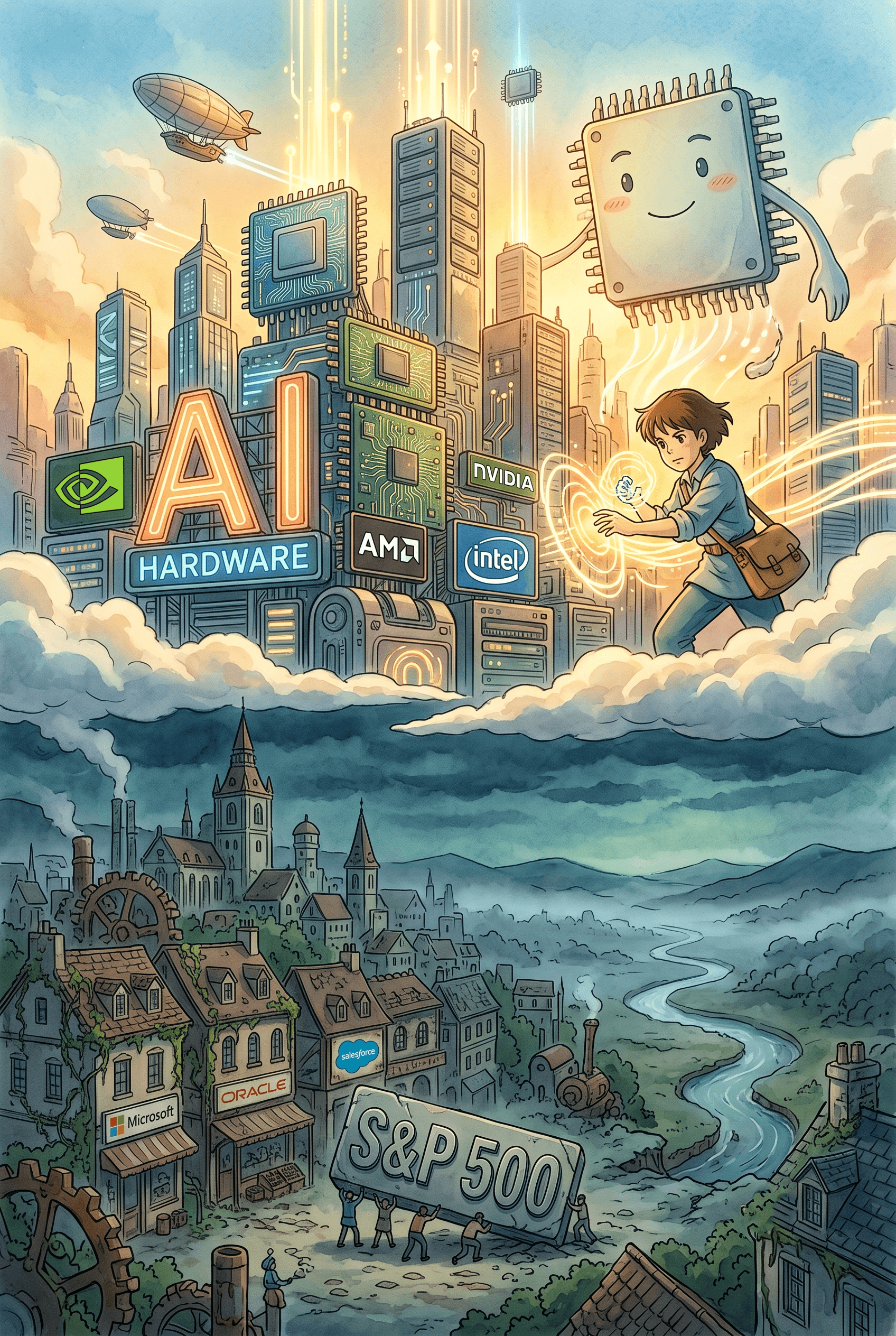
Why S&P 500 Software is Lagging While AI Hardware Dominates 2026
Jul 25, 2026· 7 min

GLOBAL
Why Wall Street is Re-Valuing SpaceX as an AI Infrastructure Giant
Jul 25, 2026· 8 min
WEB3
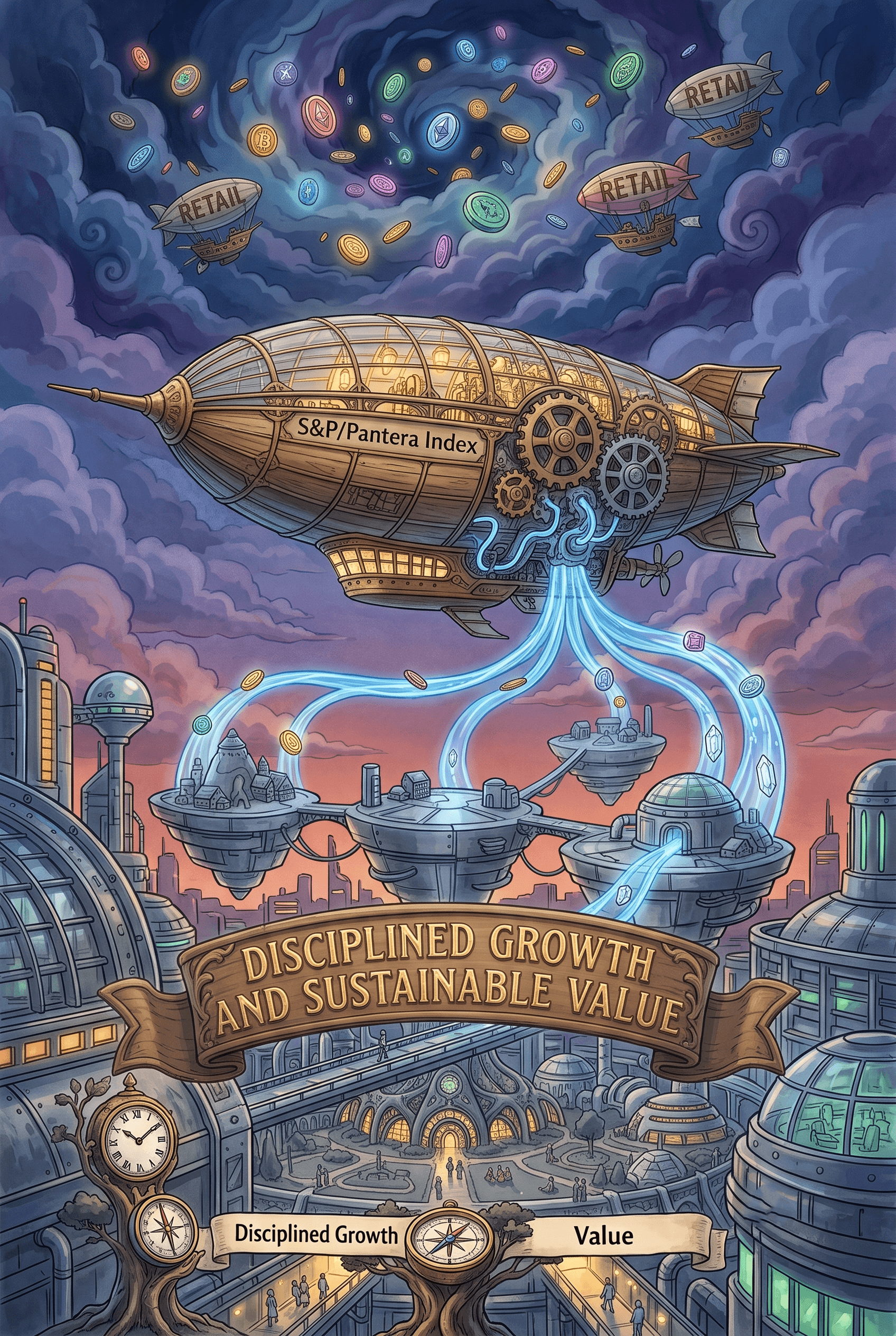
S&P and Pantera’s Index Launch and the End of Speculative Token Valuation
Jul 22, 2026· 7 min

GLOBAL
The Algorithmic Border: How Kinetic Supply Chains are Reindexing South China Sea Logistics
Jul 10, 2026· 3 min

WEB3
A Vision Coming to Life: XEO Takes Strategic Steps to Shape the "Living Ecosystem" of the Future
Jul 8, 2026· 2 min
GLOBAL
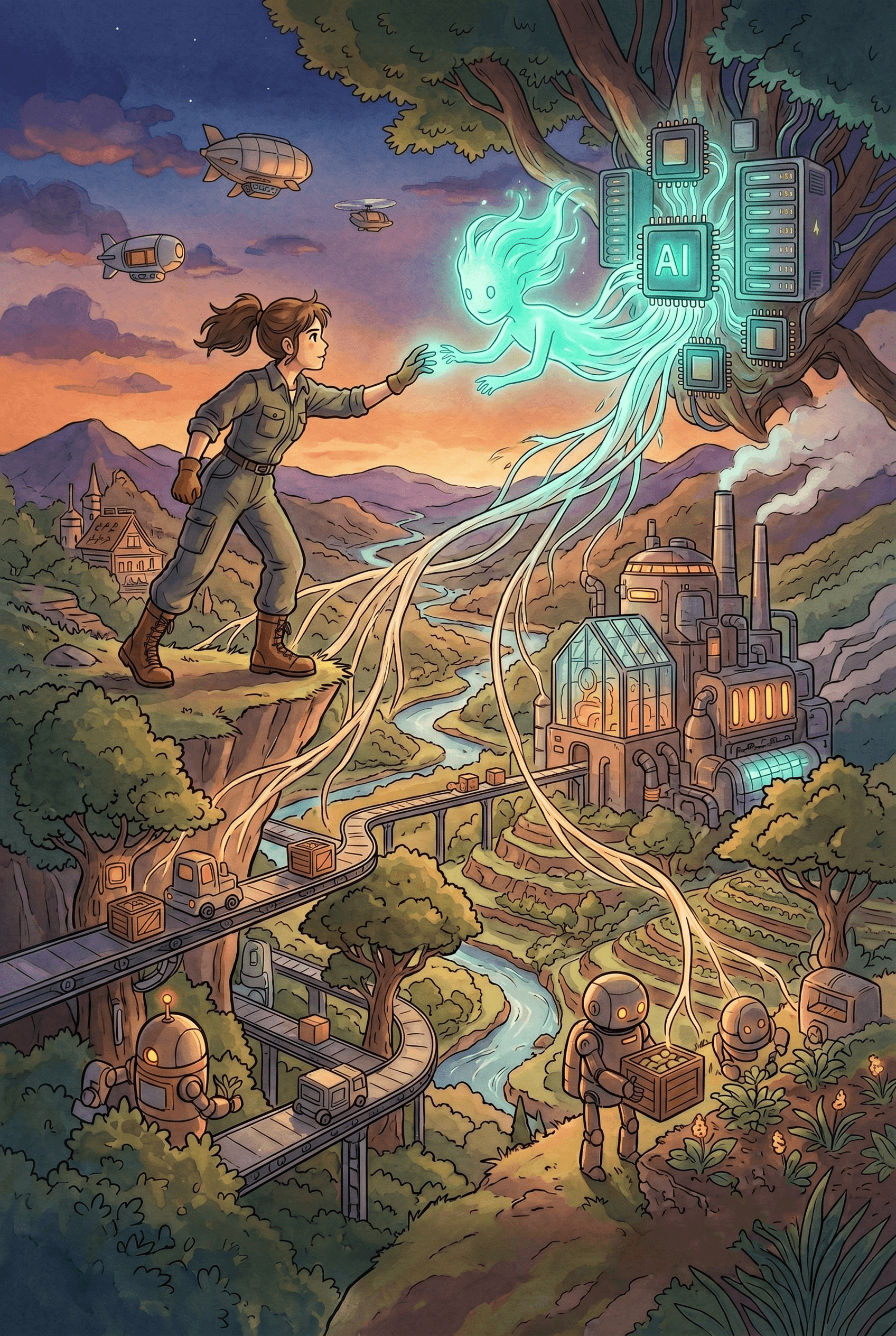
The Screen Is No Longer Enough: Inside Silicon Valley’s Physical AI Pivot
May 19, 2026· 4 min

GLOBAL
Silicon Valley’s New Cold War: California vs. The White House Over AI Rules
May 19, 2026· 4 min

GLOBAL
Top 5 AI Processor Stocks to Watch in 2026
May 19, 2026· 4 min