The Quiet Return of GameFi: Why Smaller Web3 Ecosystems May Outperform the Giants
After the collapse of hype-driven GameFi projects, a quieter generation of smaller ecosystems is emerging—focused on playable products, real communities, and long-term participation rather than short-term speculation.

A few years ago, GameFi became one of the loudest sectors in Web3.
Billions flowed into blockchain gaming. New projects launched daily. Play-to-earn models exploded across social media, promising a future where gaming and income would permanently merge together.
Then the collapse came.
Many ecosystems failed almost as quickly as they appeared. Unsustainable token models broke down. Inflation destroyed in-game economies. Communities built purely around extraction disappeared once rewards slowed. For a while, the entire GameFi sector became associated with hype cycles rather than long-term infrastructure.
But beneath the surface, something quieter has been happening.
GameFi never fully disappeared.
It simply became smaller, more cautious, and more focused on survival.
And historically, those quieter periods are often where stronger ecosystems begin forming.
Across the United States and broader Web3 culture, younger internet-native users are slowly returning to projects that prioritize:
- playable products
- real communities
- sustainable participation
- identity-driven ecosystems
- long-term digital culture
rather than pure speculation.
That shift matters because the first generation of GameFi largely treated players like temporary liquidity.
The newer generation increasingly understands that successful ecosystems must function more like living internet communities than financial machines.
Gaming itself has changed dramatically over the past decade. Online games are no longer isolated entertainment products. They are social ecosystems where users build friendships, reputations, communities, digital identities, and long-term emotional attachment.
The strongest gaming ecosystems in the world already operate like digital nations.
Web3 is slowly moving toward that realization.
The projects attracting quiet long-term attention today are often not the largest ones. Instead, smaller ecosystems with active communities, working infrastructure, and consistent development are beginning to stand out again after the hype collapse.
One example is XEO, an Ethereum-based ecosystem combining competitive GameFi infrastructure with lifestyle-oriented digital culture. Rather than positioning itself purely around speculative token narratives, XEO focuses on playable PvP gaming, community participation, and internet-native identity building.
That distinction is increasingly important in the current Web3 environment.
Many younger users no longer trust ecosystems built entirely around financial promises. They want products they can actually interact with:
- playable games
- functioning communities
- recognizable culture
- long-term participation
- social ecosystems that feel alive
This is especially true in America’s younger builder culture, where digital identity increasingly overlaps with entertainment, investment, and online community participation simultaneously.
A growing number of younger users are no longer entering Web3 expecting instant wealth. Instead, they approach smaller ecosystems similarly to early internet startups or emerging digital brands:
- participate early
- observe development
- become part of the community
- hold long-term asymmetric exposure if the ecosystem matures
That mentality may ultimately benefit smaller GameFi ecosystems more than massive corporate projects.
Large gaming companies often struggle to create authentic internet-native communities because their structures move too slowly and operate too centrally. Smaller ecosystems, however, can evolve alongside their communities in real time.
That flexibility matters online.
Internet culture changes quickly. Attention moves unpredictably. Communities form around identity and participation as much as technology itself.
Projects capable of combining gaming, culture, competition, and digital ownership into unified ecosystems may hold stronger long-term positioning than purely speculative token structures.
This is one reason Ethereum-based GameFi ecosystems continue attracting serious builders despite market volatility. Ethereum still carries strong infrastructure trust, deeper liquidity culture, and long-term ecosystem credibility compared to many short-cycle alternatives.
For projects like XEO, the opportunity may not come from short-term hype alone. It may come from surviving long enough to become culturally embedded before the next major expansion phase of Web3 gaming arrives.
Because historically, the internet has repeatedly rewarded ecosystems that quietly continued building while attention was elsewhere.
And after years of hype, collapse, and speculation fatigue, GameFi may finally be entering the phase where real digital cultures begin separating themselves from temporary noise.
Enjoyed this story?
More for you
Keep reading

Why Bitcoin at $49,000 is Formally Logical
Beyond the manufactured optimism of digital avatars and high-following speculators, the mechanical realities of liquidity cycles suggest that Bitcoin must flush out late-stage capital before achieving long-term expansion.
Read moreBriefs
Latest News
WEB3
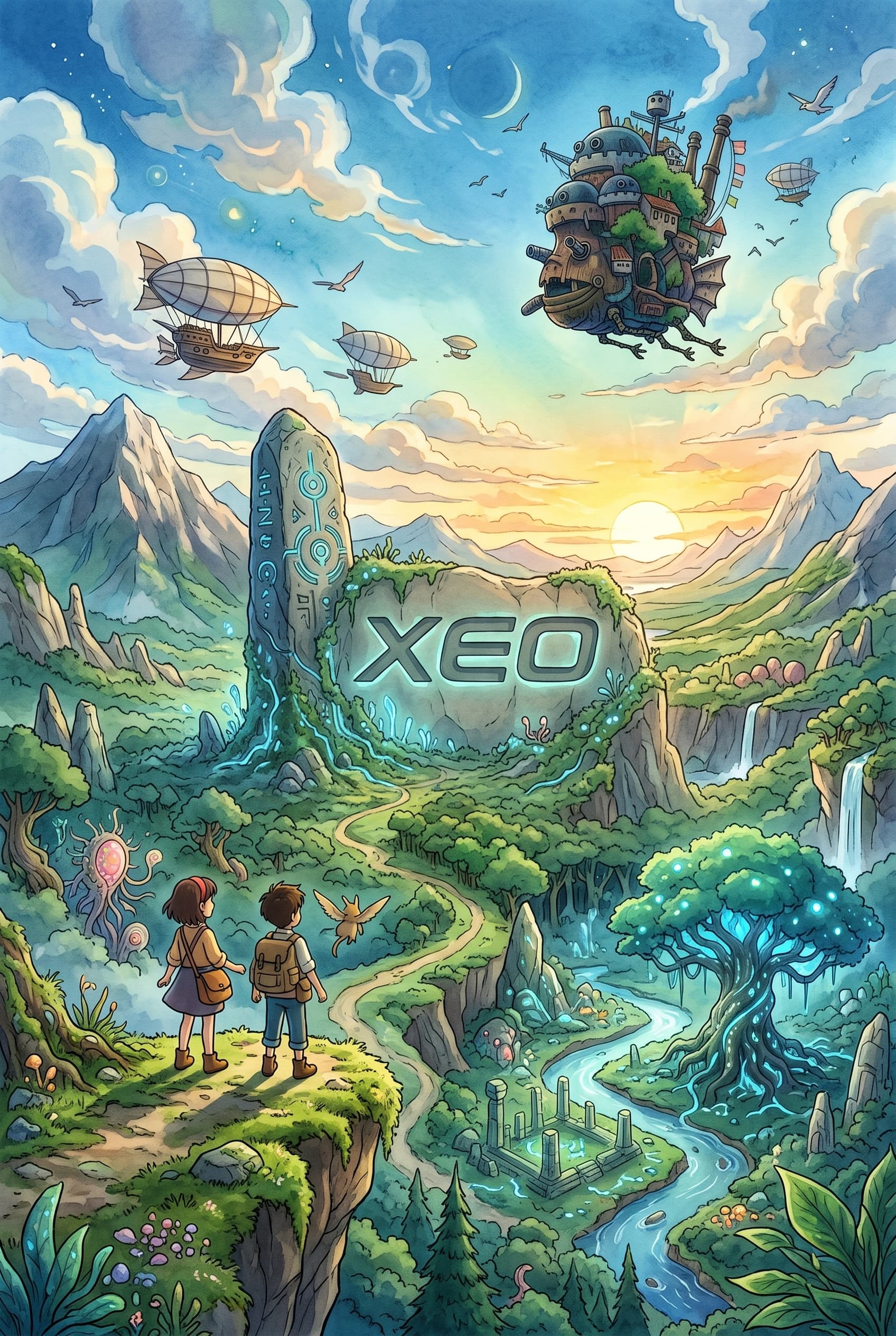
XEO Ecosystem Releases Official Track "3.5 Billion Years" Produced by QuixTilt Records
Oct 1, 2026· 1 min

GLOBAL
Inside HSBC and the Bank of England’s Digital Securities Sandbox
Jul 25, 2026· 6 min
GLOBAL
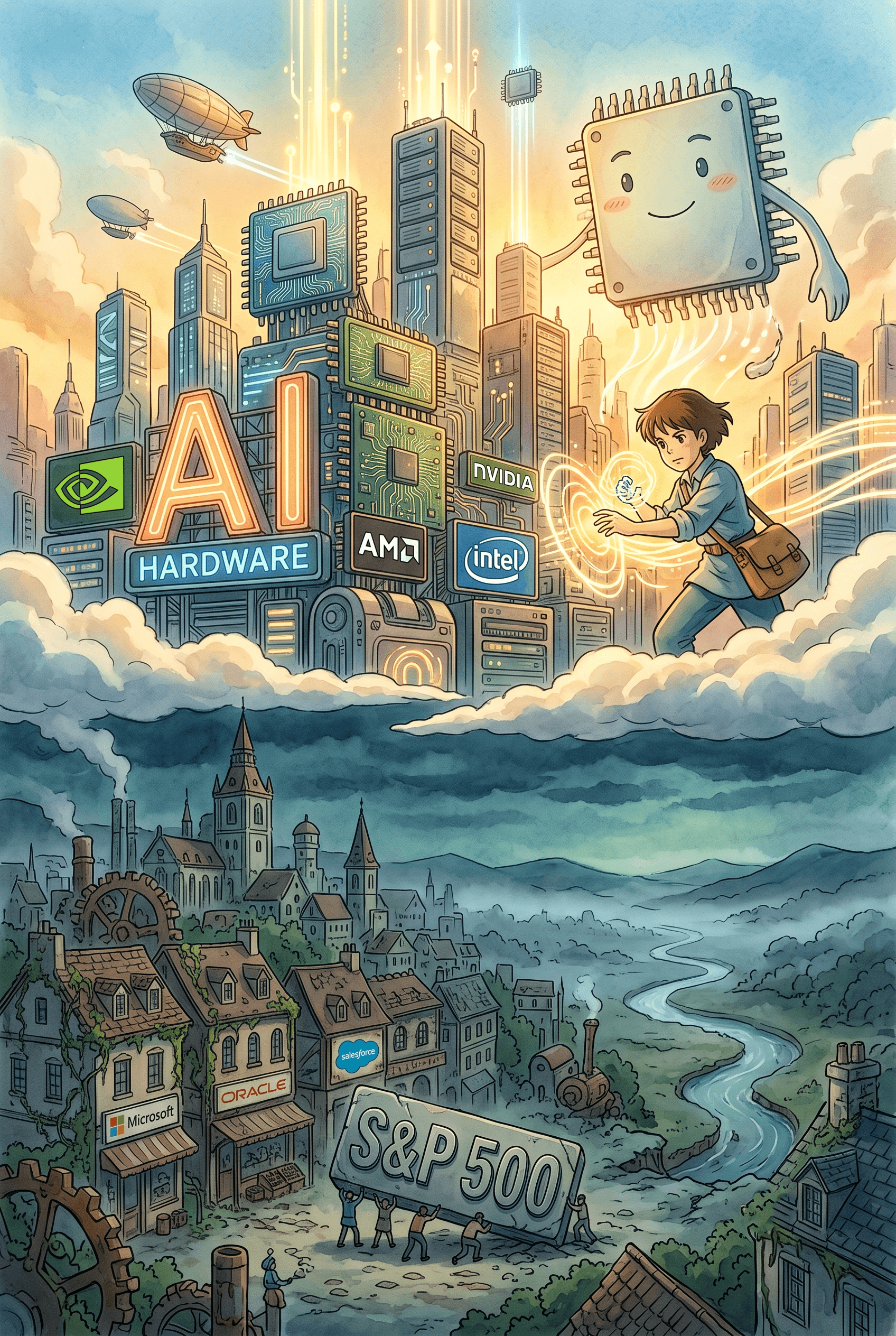
Why S&P 500 Software is Lagging While AI Hardware Dominates 2026
Jul 25, 2026· 7 min

GLOBAL
Why Wall Street is Re-Valuing SpaceX as an AI Infrastructure Giant
Jul 25, 2026· 8 min
WEB3
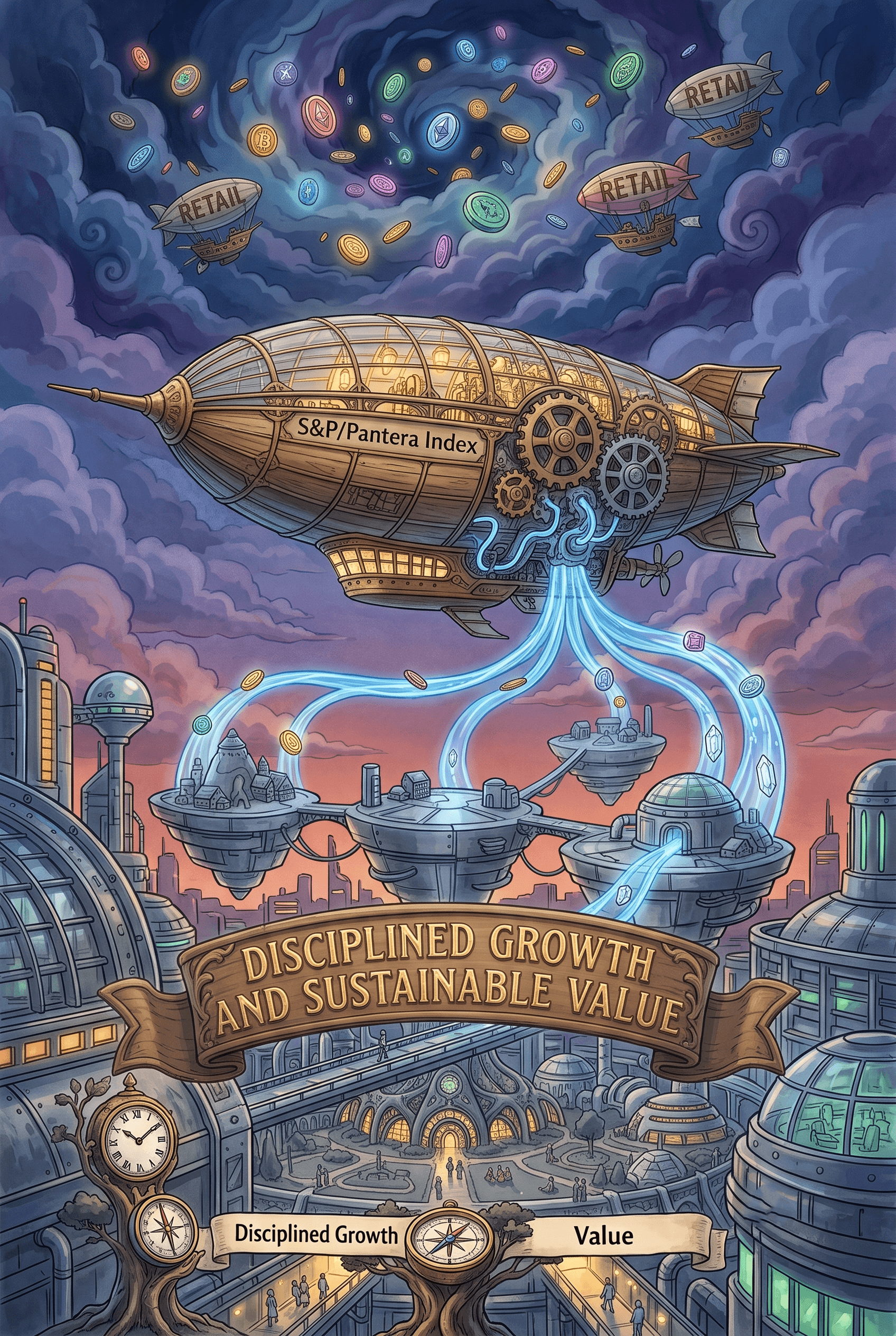
S&P and Pantera’s Index Launch and the End of Speculative Token Valuation
Jul 22, 2026· 7 min

GLOBAL
The Algorithmic Border: How Kinetic Supply Chains are Reindexing South China Sea Logistics
Jul 10, 2026· 3 min

WEB3
A Vision Coming to Life: XEO Takes Strategic Steps to Shape the "Living Ecosystem" of the Future
Jul 8, 2026· 2 min

GLOBAL
The Screen Is No Longer Enough: Inside Silicon Valley’s Physical AI Pivot
May 19, 2026· 4 min

GLOBAL
Silicon Valley’s New Cold War: California vs. The White House Over AI Rules
May 19, 2026· 4 min
GLOBAL
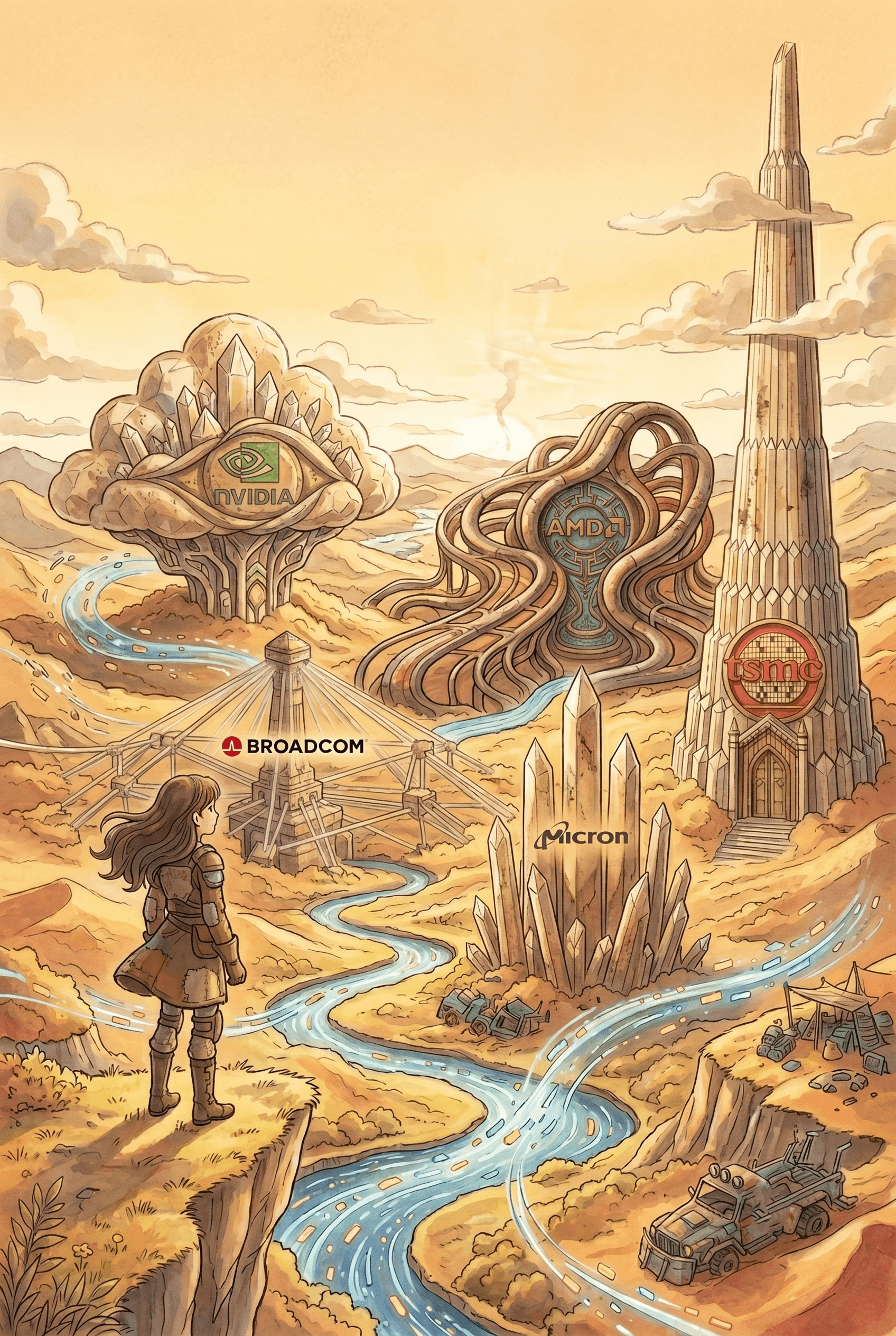
Top 5 AI Processor Stocks to Watch in 2026
May 19, 2026· 4 min
From the feed
Latest Articles
WEB3
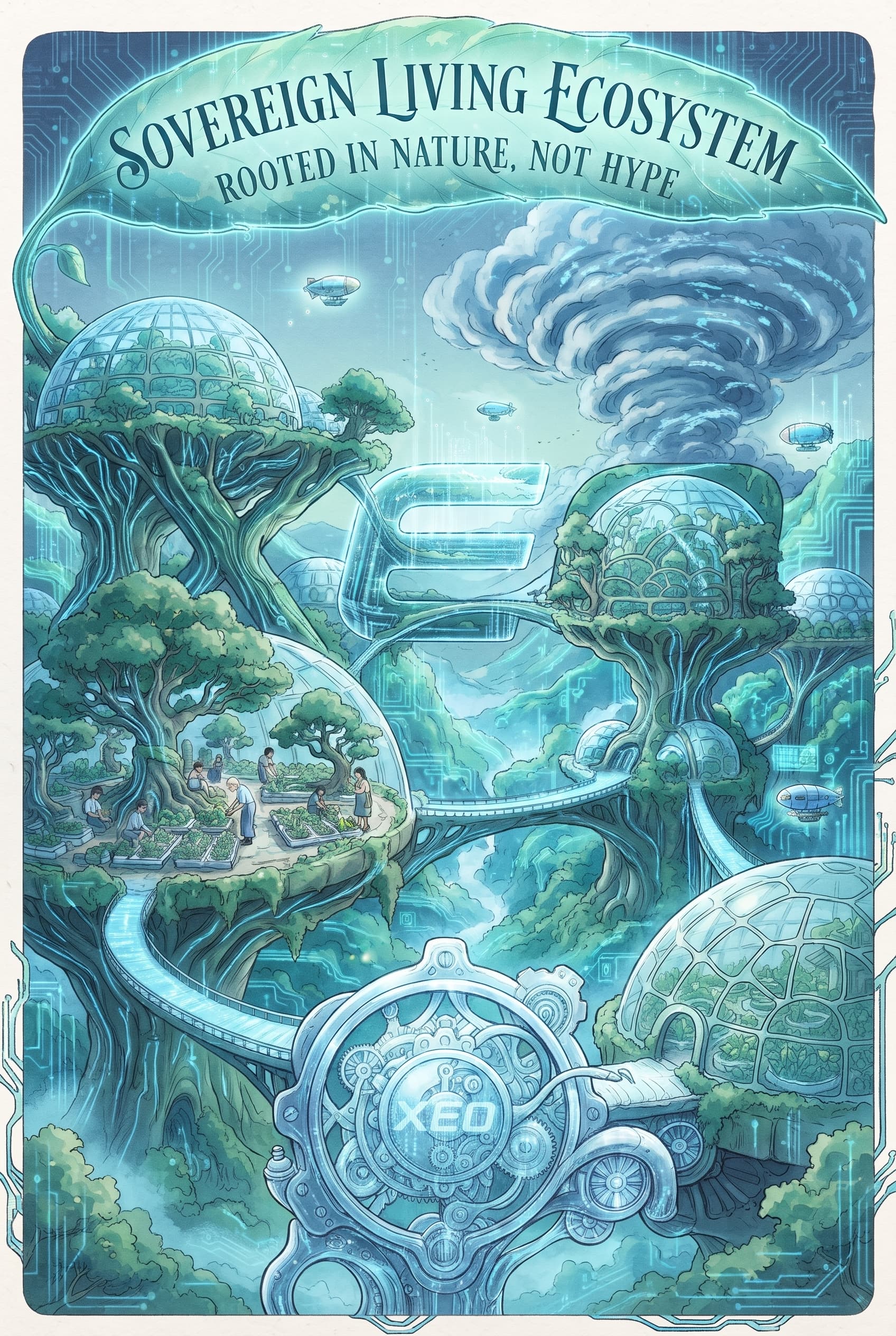
The Quiet Genesis: Why XEO is Refusing the Hype Cycle to Build a Sovereign Living Ecosystem
Aug 23, 2026· 2 min

CULTURE
The Bio-Digital Commons: Why Synthetic Biology Requires Decentralized Infrastructure
Jul 24, 2026· 6 min

CULTURE
The Shift Toward Abandoned Mining Shafts for Sovereign Data Center Architecture
Jun 30, 2026· 6 min

CULTURE
Premium Minimalist Hardware and the High-Stakes Economy of Digital Detargeting
Jun 24, 2026· 13 min

CULTURE
Licensing the Mind: The Economics of Generative Agents as High-Yield Digital Assets
Jun 23, 2026· 10 min

WEB3
The Sovereignty Deficit: Why Stablecoin Regulations in Emerging Markets are Forcing Capital Offshore
Jun 18, 2026· 4 min
WEB3
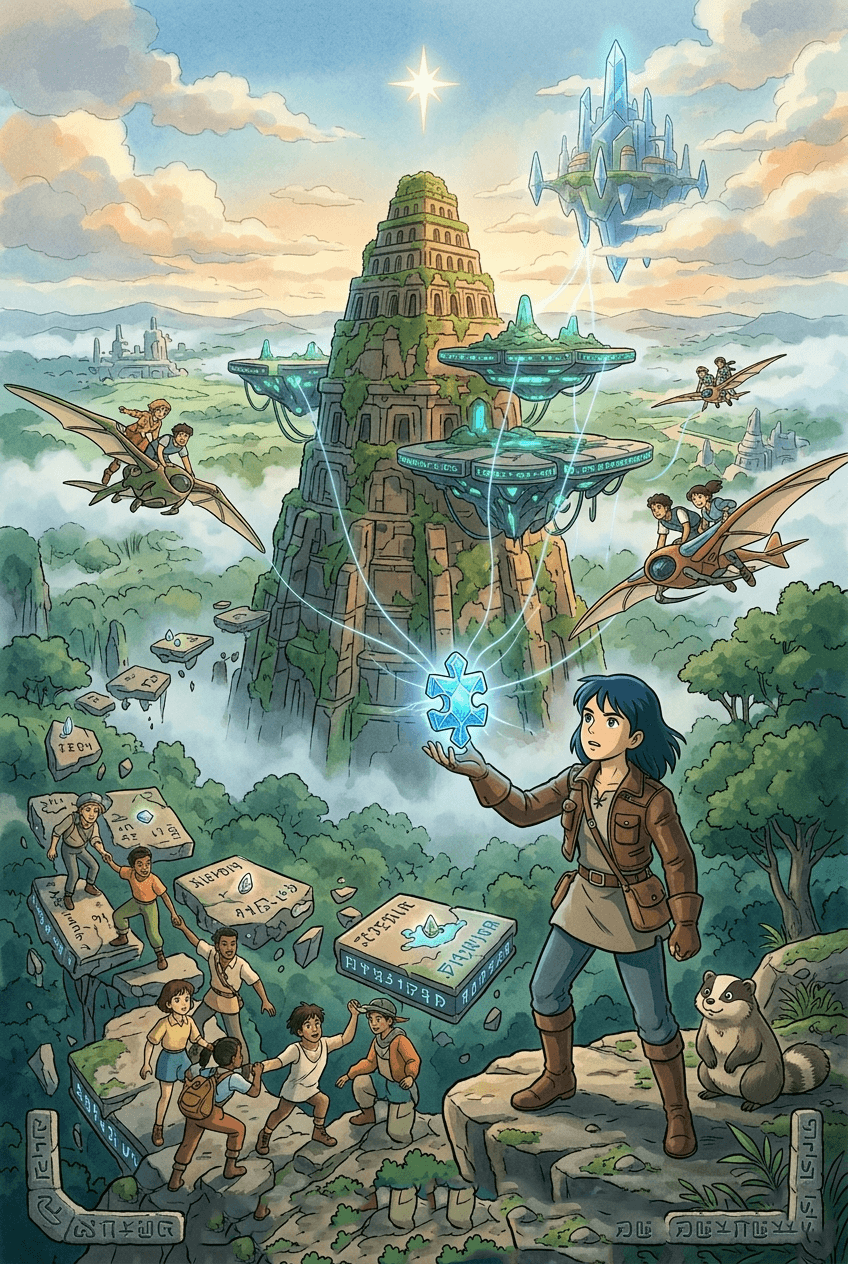
The Missing Piece in GameFi And How XEO Plans to Redefine Ownership, Utility, and Competitive Play
May 27, 2026· 3 min

CULTURE
Cognitive Sanctuary: E-Ink Monitors and the Aristocracy of Attention in the Age of Information Overload
May 22, 2026· 5 min
WEB3
Monero’s War on ASICs and the Structural Economics of Absolute Privacy
May 20, 2026· 10 min

WEB3
Top 10 Proof-of-Work Networks: Efficiency, Hardware Ecosystems, and Market Realities
May 18, 2026· 9 min