The Canvas of Time: The Great Transformation of Art from Classical Heritage to Digital Freedom
Art’s 2026 evolution: How AI, blockchain, and "phygital" experiences are democratizing creativity.
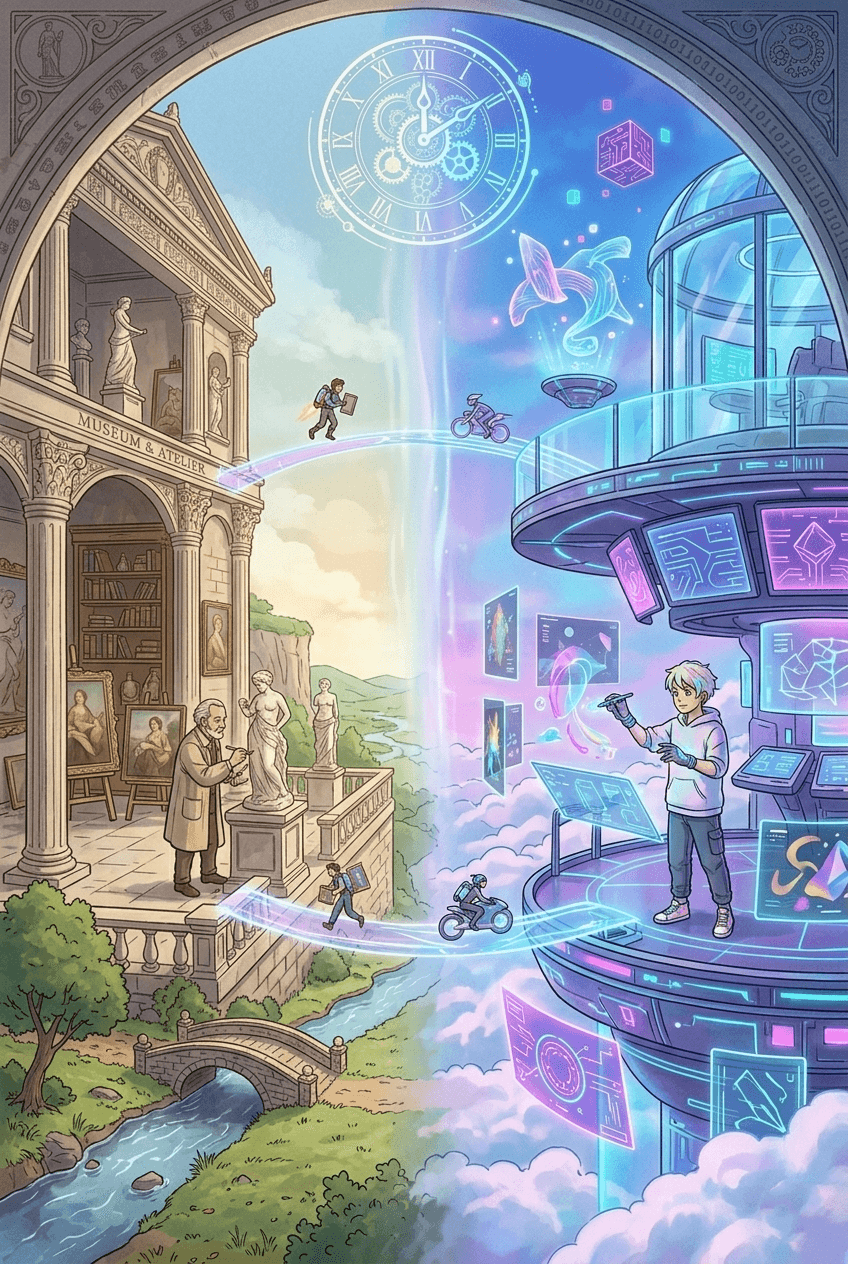
Art is the most faithful mirror of human history; however, as we reach 2026, this mirror no longer merely reflects—it has transformed into a multi-dimensional universe that can be entered, touched, and shared by all. At Xeo Culture, we examine this fascinating journey of art, a seamless narrative stretching from the dignified brushstrokes of the past to the boundless pixels of the future.
1. The Unshakable Throne of Classical Art: The Nostalgia of Physicality and the "Aura"
It all began with that first stroke of a brush, that first strike of a chisel upon marble. For centuries, classical art has offered more than just aesthetic appeal; it has been the fortress of the concept of "uniqueness." In a world where a digital copy can be replicated thousands of times in seconds, the mesmerizing "aura" of classical works—that is, the state of the work existing right there, in that moment, in its singular being—is more precious than ever.
The scent of an oil painting displayed under the dim lights of a museum, the microscopic ridges formed by layers of paint, and those human imperfections that reveal the trembling of the artist’s hand are defined in 2026 not as luxury consumer goods, but as "spiritual sanctuaries." On a global scale, classical art functions as islands of silence amidst technological noise. Yet, this classical heritage is no longer confined to dusty shelves; advanced AI algorithms involved in restoration processes analyze pigments that have succumbed to time, restoring them to the vibrancy they possessed centuries ago. Thus, the classical validates its own immortality through the possibilities offered by the digital.
At this very point, we begin to transition from the tangible and tactile world of classical art to a new dimension where data replaces matter. The sense of "singularity" offered by the classical work begins to merge with the promise of "infinity" provided by the digital realm...
Moving from the tangible and dignified world of classical art to this new dimension where matter gives way to data, we encounter not just a screen, but a completely new mode of existence.
2. The Renaissance of Digital Art: Emotional Depth Beyond Pixels
The chaotic and speculative NFT wave of the early 2020s has been left behind. As of 2026, digital art has completed its childhood phase and entered a "Maturity Age"—a Renaissance of its own—where it has proven its merit. The core issue is no longer the certification of an image on the blockchain, but rather the intellectual and emotional imprint that image leaves on the viewer. Today’s digital artists are not just writing code; they are using pixels as vessels for emotion, performing the same sorcery with algorithms that classical masters once achieved with light and shadow.
In this new era, "phygital" (the fusion of physical and digital) exhibitions have pushed the boundaries of art beyond the walls of physical galleries. As a viewer, you are no longer just looking at a painting; you become part of a "data sculpture" that you can step inside. With Artificial Intelligence positioned as a creative assistant, the definition of art is expanding. Globally, artists are narrating complex themes—from the climate crisis to human psychology—through interactive installations that reshape themselves according to the viewer's movements.
This rise of digital art has transformed the artwork from a static object into a living, breathing, and constantly evolving organism. However, this technological grandeur offers more than just a visual feast; it fundamentally shakes the greatest shackle art has faced for centuries: the issue of "inaccessibility." The inherently limitless sharing and replicability of the digital realm are driving us toward the most revolutionary stage of the art world—the new destination where the doors of art are flung open for everyone...
The limitless replicability and fluid nature of pixels provided by digital art have triggered the most significant shift in art history: the crumbling of ivory towers and the true descent of art to the people.
3. Accessibility: The Democratization of Art and the Transparency of Borders
In the traditional art world, accessing a masterpiece was surrounded by formidable barriers such as geographical location, economic power, and social status. However, in 2026, these barriers are melting away one by one through the principles of "transparency" and "accessibility" provided by technology. As we observe at Xeo Culture, this democratization process transforms art from a mere object of spectatorship into a collective experience.
The Economic and Physical Revolution The most striking pillar of this chapter is the "Fractional Ownership" model. Today, a multi-million dollar masterpiece can be divided into thousands of shares through blockchain-based systems; thus, an art lover anywhere in the world can own a piece of the work they admire. This shifts the art market from being a playground for the elite to a space of mass participation.
Furthermore, accessibility is not just about wallets. Through inclusive design, art is transcending sensory barriers. Whether it is a visually impaired individual feeling the rhythm of brushstrokes through a 3D-printed "tactile" Van Gogh, or the conversion of music into visual data art for the hearing impaired, these are the global art standards of 2026.
Art is no longer a "privilege"; it is recognized as a fundamental right through which every individual can define their cultural identity. This democratic expansion prepares us for our final stop: the hybrid future where the heritage of the past and the technology of the future melt into a single pot.
This democratic foundation, where art becomes accessible to all, opens the door to the grand final tableau—a place where all elements fall into place and different disciplines nourish rather than replace one another.
4. Future Vision: A Hybrid Art Ecosystem and the New Human Heritage
When we look at the future of art through the lens of Xeo Culture, we do not see a battlefield where the classical clashes with the digital, or the physical with the virtual. On the contrary, we see a "Hybrid Ecosystem" where all these elements merge into one. The year 2026 marks an era where art is not just watched, but lived. A museum visit is no longer limited to walking through the cold corridors of the Louvre; it is an interactive space where a young person in Tokyo can walk around a sculpture appearing via Augmented Reality (AR) in the middle of their room, while simultaneously contributing digitally to the work's creative process.
This hybrid world fundamentally redefines the role of the artist. The artist is no longer just the "creator," but an "experience architect" who invites the audience into the process. Copyrights protected by blockchain technology and the infinite variation possibilities provided by AI transform artworks from static "results" into living "processes" that change shape according to the viewer's mood or the ambient light.
In conclusion; classical art reminds us of our roots, digital art explores the limits of our imagination, and accessibility evokes our collective conscience. The art ecosystem of the future will rise on the shoulders of those who use technology not as an end, but as a tool to touch the human soul. No matter how much the form of art changes, that ancient sensation—our search for meaning and our desire to connect—will remain unchanged in 2026 and beyond.
Enjoyed this story?
More for you
Keep reading
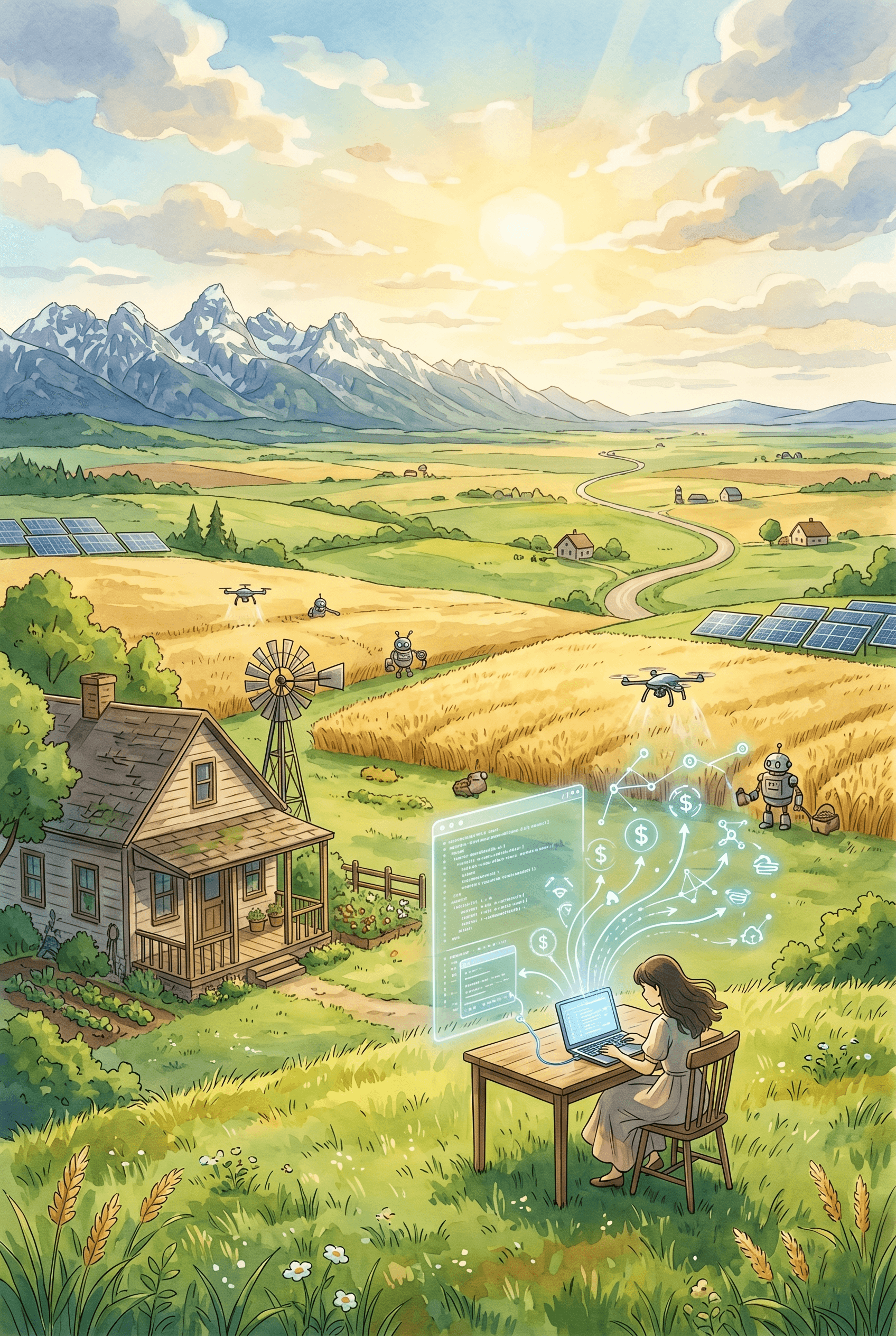
The New American Dream: How People Are Making Passive Income with AI in Texas, Wyoming, and Rural America
From Texas to rural America, individuals are using AI to build passive income streams that operate with minimal daily effort. Here’s what’s really happening.
Read moreFrom the feed
Latest Articles
WEB3
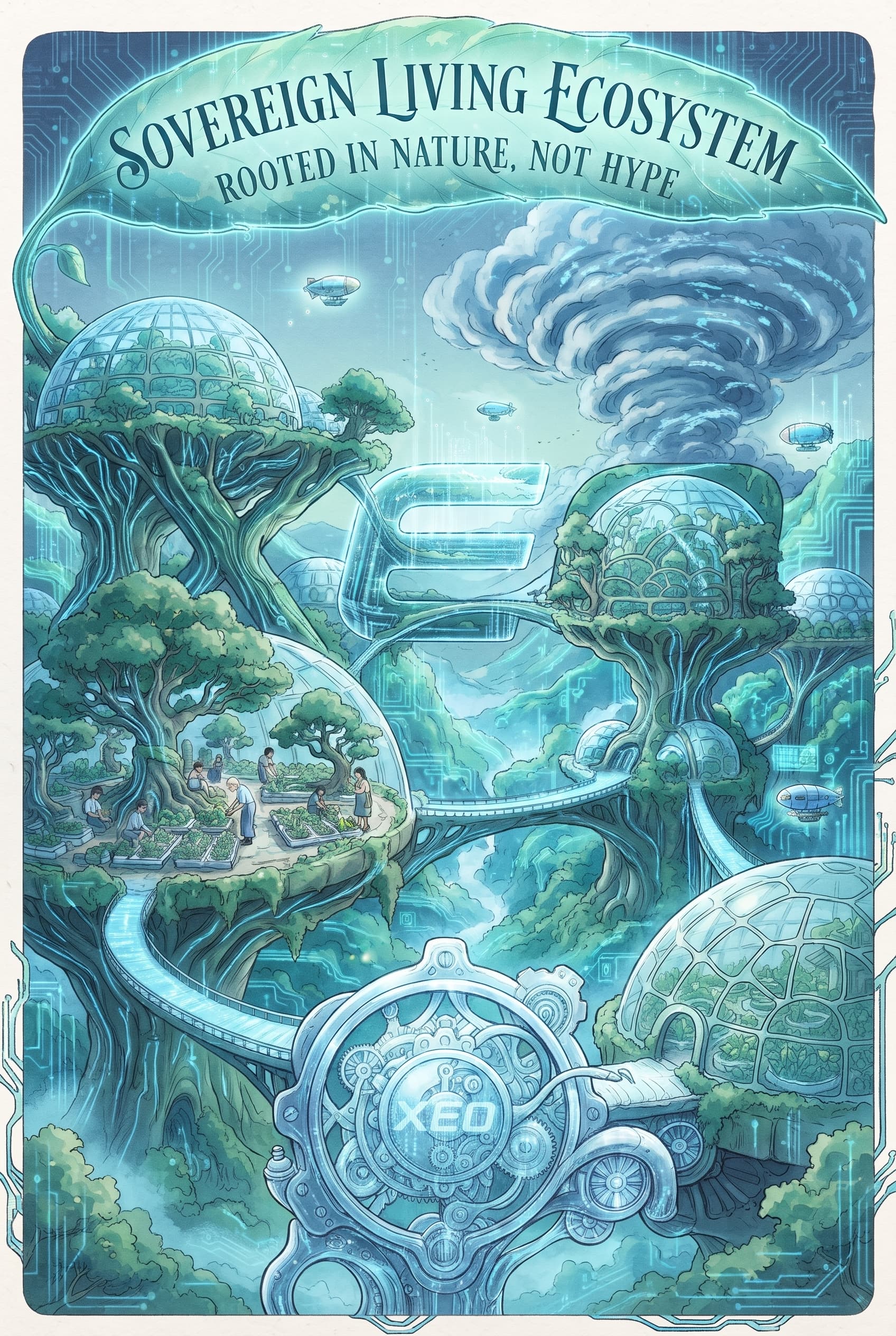
The Quiet Genesis: Why XEO is Refusing the Hype Cycle to Build a Sovereign Living Ecosystem
Aug 23, 2026· 2 min
CULTURE
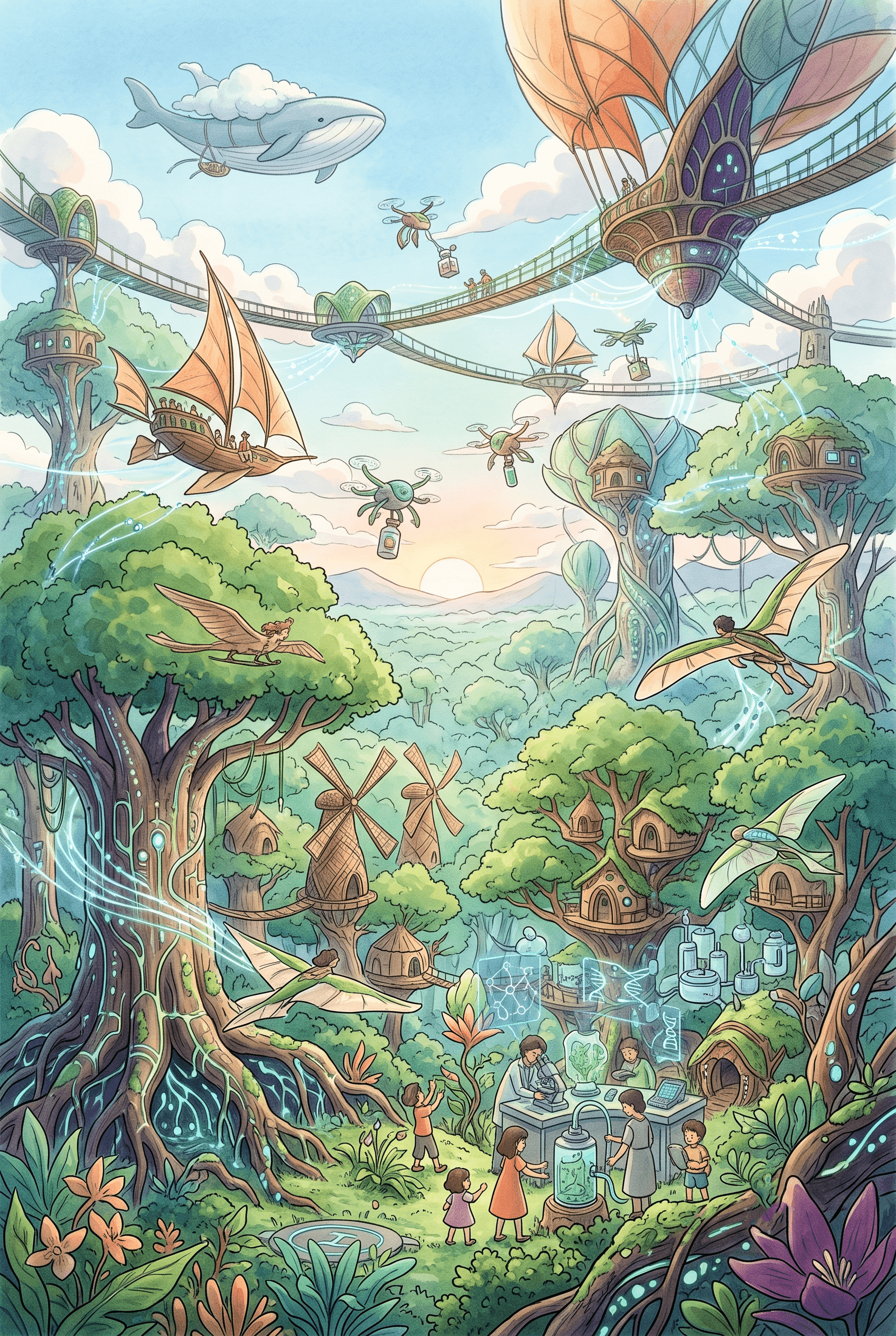
The Bio-Digital Commons: Why Synthetic Biology Requires Decentralized Infrastructure
Jul 24, 2026· 6 min
CULTURE
The Shift Toward Abandoned Mining Shafts for Sovereign Data Center Architecture
Jun 30, 2026· 6 min
CULTURE
Premium Minimalist Hardware and the High-Stakes Economy of Digital Detargeting
Jun 24, 2026· 13 min
CULTURE
Licensing the Mind: The Economics of Generative Agents as High-Yield Digital Assets
Jun 23, 2026· 10 min
WEB3
The Sovereignty Deficit: Why Stablecoin Regulations in Emerging Markets are Forcing Capital Offshore
Jun 18, 2026· 4 min
WEB3
The Missing Piece in GameFi And How XEO Plans to Redefine Ownership, Utility, and Competitive Play
May 27, 2026· 3 min
CULTURE
Cognitive Sanctuary: E-Ink Monitors and the Aristocracy of Attention in the Age of Information Overload
May 22, 2026· 5 min
WEB3
Monero’s War on ASICs and the Structural Economics of Absolute Privacy
May 20, 2026· 10 min
WEB3
Top 10 Proof-of-Work Networks: Efficiency, Hardware Ecosystems, and Market Realities
May 18, 2026· 9 min
Briefs
Latest News
WEB3
XEO Ecosystem Releases Official Track "3.5 Billion Years" Produced by QuixTilt Records
Oct 1, 2026· 1 min
GLOBAL
Inside HSBC and the Bank of England’s Digital Securities Sandbox
Jul 25, 2026· 6 min
GLOBAL
Why S&P 500 Software is Lagging While AI Hardware Dominates 2026
Jul 25, 2026· 7 min
GLOBAL
Why Wall Street is Re-Valuing SpaceX as an AI Infrastructure Giant
Jul 25, 2026· 8 min
WEB3
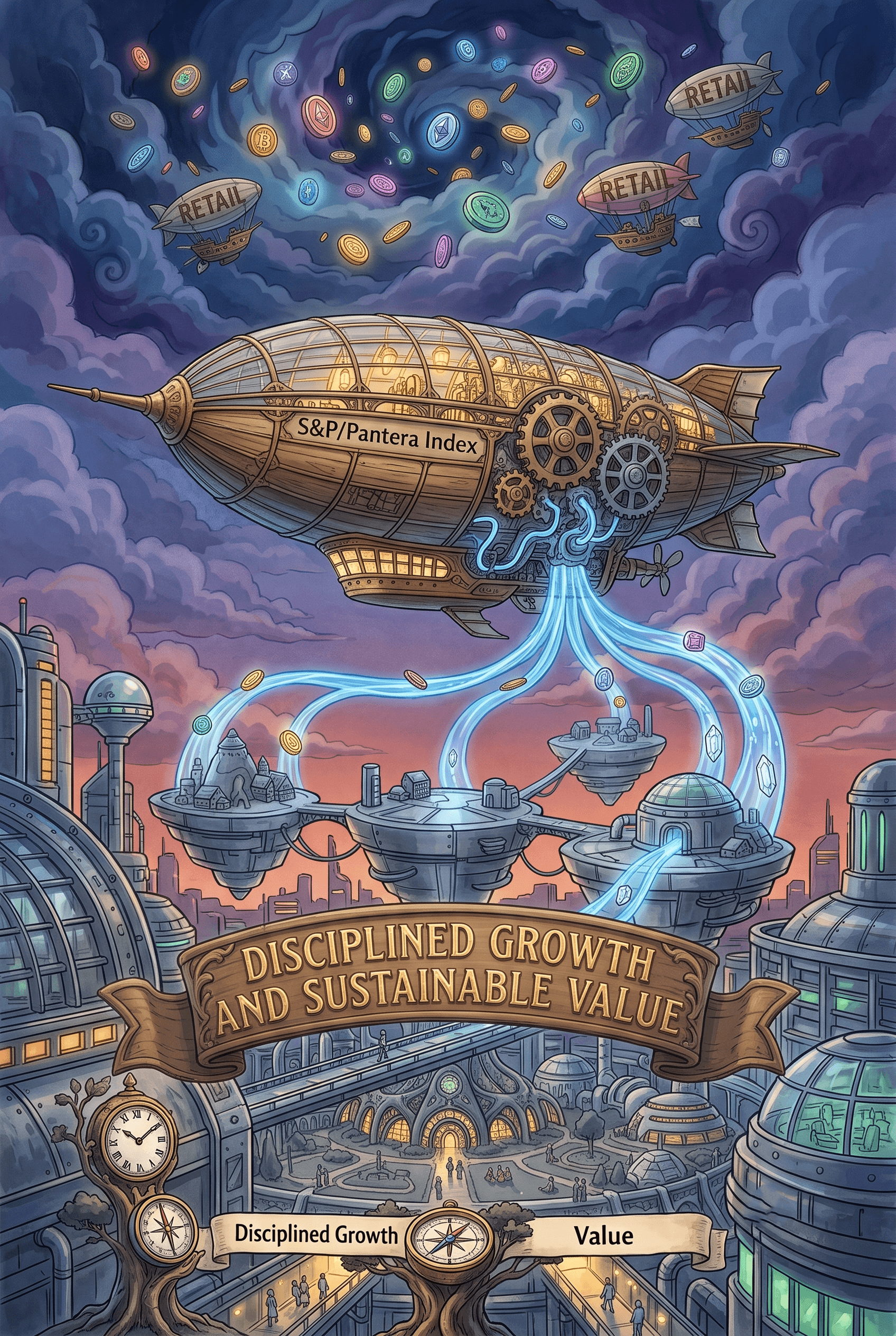
S&P and Pantera’s Index Launch and the End of Speculative Token Valuation
Jul 22, 2026· 7 min

GLOBAL
The Algorithmic Border: How Kinetic Supply Chains are Reindexing South China Sea Logistics
Jul 10, 2026· 3 min
WEB3
A Vision Coming to Life: XEO Takes Strategic Steps to Shape the "Living Ecosystem" of the Future
Jul 8, 2026· 2 min
GLOBAL
The Screen Is No Longer Enough: Inside Silicon Valley’s Physical AI Pivot
May 19, 2026· 4 min
GLOBAL
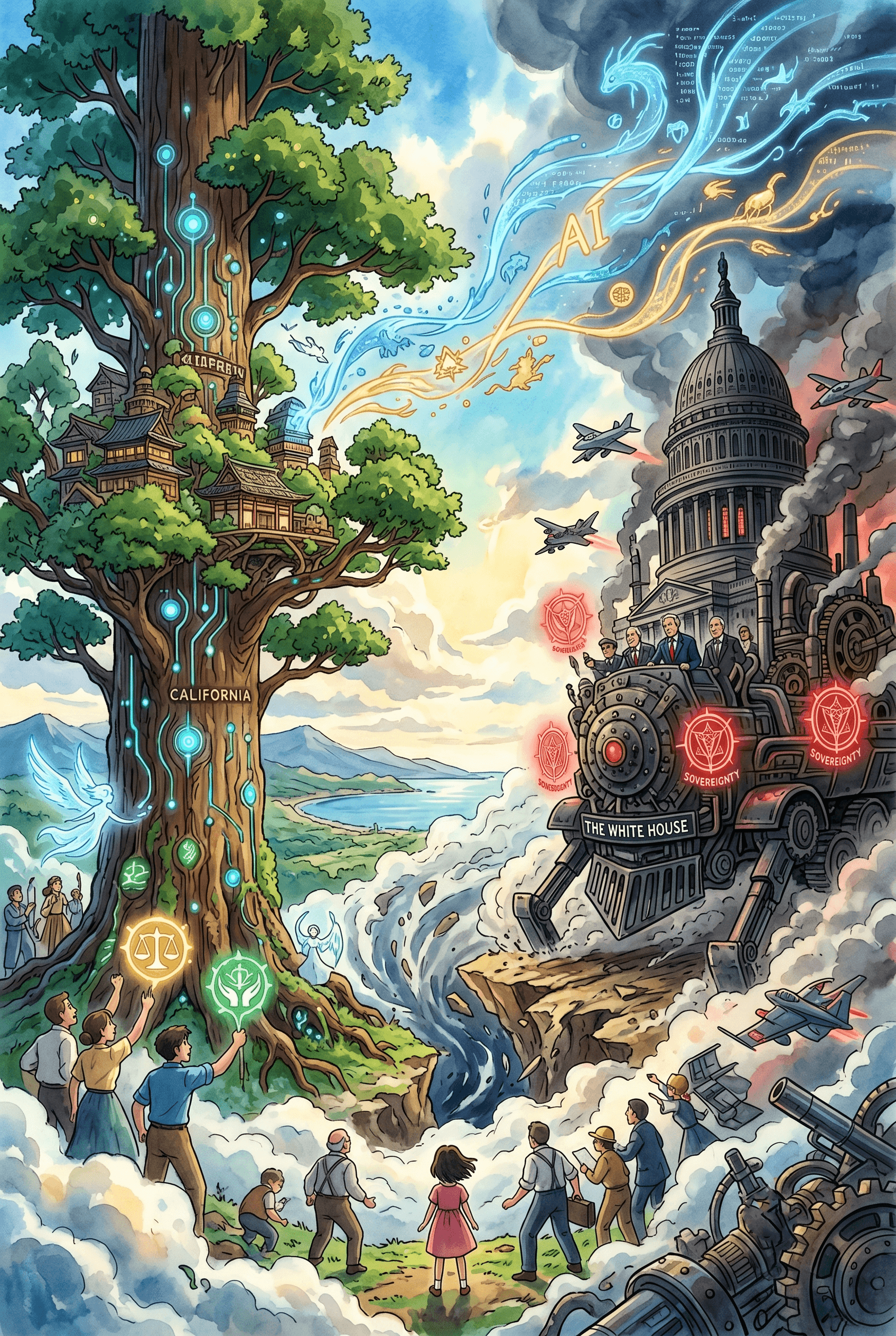
Silicon Valley’s New Cold War: California vs. The White House Over AI Rules
May 19, 2026· 4 min
GLOBAL
Top 5 AI Processor Stocks to Watch in 2026
May 19, 2026· 4 min