AI Side Hustles That Actually Work in 2026 (Not Dropshipping)
The AI economy is creating new income opportunities, but most online advice focuses on saturated or unsustainable models. The real opportunities are quieter, simpler, and built around execution.

Every technological cycle creates the same illusion.
A new tool appears, social media floods with exaggerated success stories, and suddenly millions of people begin chasing shortcuts disguised as opportunity. AI is no different. The internet is now saturated with promises of “passive income,” automated wealth systems, and overnight businesses supposedly powered by artificial intelligence.
Most of them collapse the moment real competition appears.
The reason is simple: when everyone has access to the same tools, the advantage no longer comes from access itself. It comes from execution, positioning, and understanding where friction still exists in the real economy.
That’s why many of the loudest AI business trends are already becoming overcrowded. Generic AI-generated ebooks, low-quality print-on-demand products, automated spam content, and recycled dropshipping systems all follow the same pattern: low barrier to entry creates massive saturation. Margins disappear quickly because the model itself contains no defensible value.
The AI side hustles actually working in 2026 look very different.
They are quieter.
More practical.
And surprisingly connected to offline economic systems.
The biggest misconception about AI is that it creates entirely new markets. In reality, AI is often most powerful when inserted into already existing demand. Businesses already need marketing, customer communication, lead generation, scheduling, content production, and operational organization. AI simply reduces the cost and speed required to execute those functions.
This is why local AI service models are growing aggressively beneath the surface.
Small businesses remain one of the largest untapped markets in the AI economy because most owners still don’t understand how to implement these systems effectively. A local restaurant does not care about “artificial intelligence.” It cares about getting more customers through the door. A real estate office wants leads. A gym wants membership retention. AI becomes valuable only when translated into direct business outcomes.
That translation layer is where many modern side hustles are emerging.
One of the most effective models involves AI-assisted local marketing. Individuals use automation tools to manage social media, customer responses, review handling, and campaign generation for local businesses operating far behind modern digital standards. The work itself is not technically complex. The value comes from consistency and execution. Most businesses simply do not maintain structured online activity, which creates immediate opportunities for operators capable of organizing it.
Another rapidly growing area is AI-assisted content infrastructure. Businesses increasingly need continuous media output across TikTok, Instagram, YouTube Shorts, blogs, newsletters, and search engines simultaneously. Historically, this required teams. AI compresses the production process enough for individuals to operate like miniature media agencies. The opportunity is not merely “creating content,” but building repeatable systems capable of maintaining visibility continuously.
Automation consulting is quietly becoming another major category. Many businesses waste enormous amounts of time on repetitive communication, scheduling, and administrative coordination. AI chat systems, automated email flows, lead filtering, and booking integrations now allow individuals to optimize workflows without building complex software companies. Most businesses do not need custom technology. They need friction removed.
This distinction matters because sustainable side hustles are usually built around solving operational pain rather than chasing trends.
The same pattern appears in data organization and lead generation models. AI can process local market information, identify weak competitors, structure customer lists, summarize business opportunities, and assist in outreach workflows at a scale previously inaccessible to individuals. The leverage is no longer tied directly to labor hours. A single operator can now process and organize large amounts of commercial information rapidly enough to create real business value.
What makes these models particularly powerful is that they benefit from asymmetry.
Large companies already optimize aggressively, but small businesses remain fragmented and inefficient. That gap creates opportunity for individuals operating with AI-enhanced efficiency. In many cases, the competition is not other AI operators—it is businesses still functioning almost entirely manually.
And importantly, most of these side hustles do not require large audiences or personal brands.
This is another major shift happening beneath the surface of the creator economy. For years, online income became heavily associated with visibility: influencers, viral content, personal branding, and public-facing identity. AI is now enabling quieter business models centered around infrastructure instead of attention. Many profitable operators remain almost invisible publicly because their systems generate value behind the scenes.
That invisibility is becoming an advantage.
As saturation increases online, sustainable income opportunities increasingly move toward areas where real operational problems still exist. Businesses continue needing organization, communication, visibility, and efficiency regardless of economic cycles. AI simply allows individuals to provide those functions faster and cheaper than before.
The important detail is that AI itself is not the business.
The business is still solving problems.
AI is only the leverage layer underneath it.
And in 2026, the people understanding that distinction are increasingly separating themselves from everyone still chasing shortcuts.
Enjoyed this story?
More for you
Keep reading
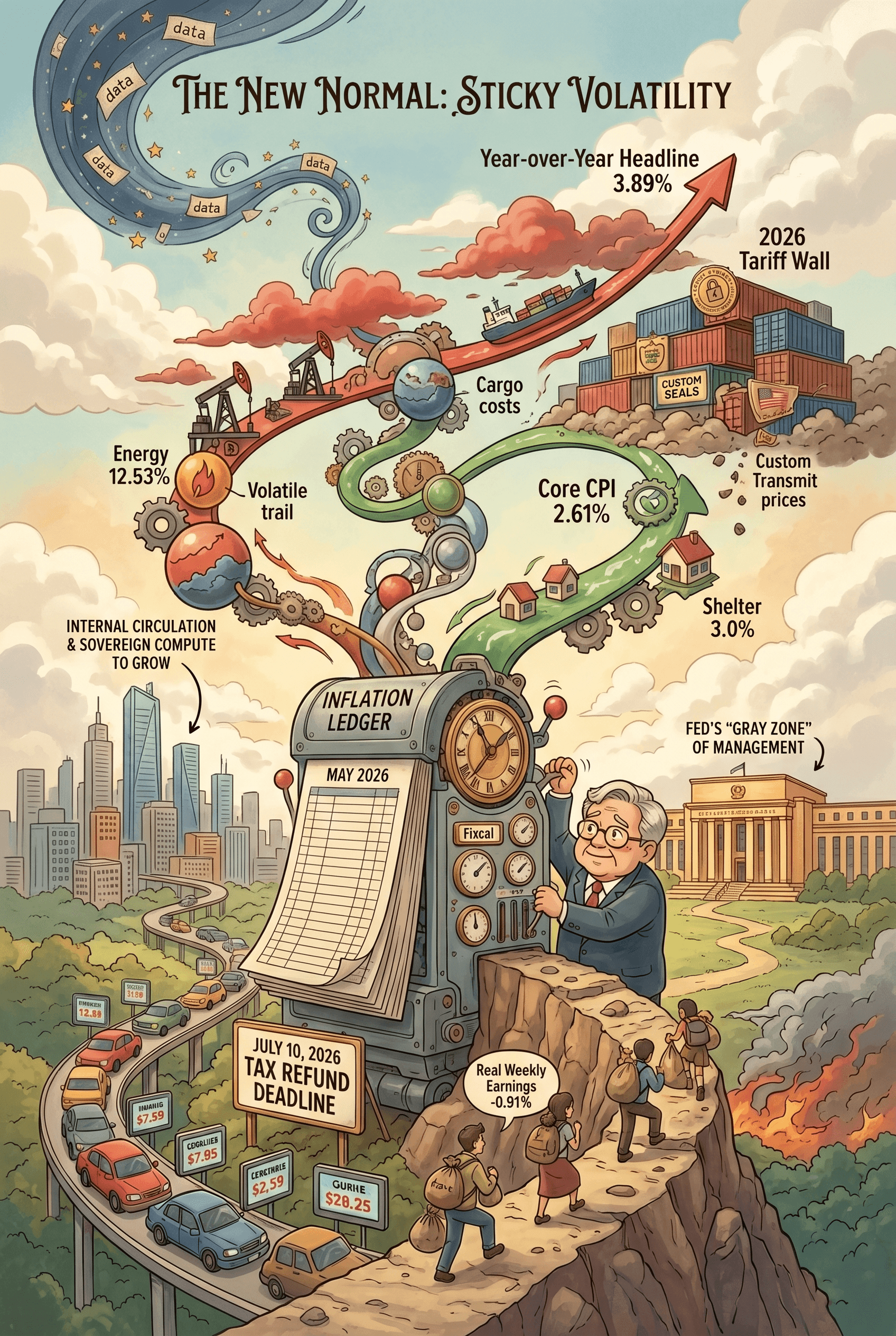
The Relentless Resistance: Deciphering the May 2026 CPI Report
The May 2026 CPI report reveals an uncomfortable reality: headline inflation has surged to 3.89%, driven by energy spikes and a final wave of tariff pass-throughs, challenging the Federal Reserve's path toward a soft landing.
Read moreBriefs
Latest News

WEB3
XEO Ecosystem Releases Official Track "3.5 Billion Years" Produced by QuixTilt Records
Oct 1, 2026· 1 min

GLOBAL
Inside HSBC and the Bank of England’s Digital Securities Sandbox
Jul 25, 2026· 6 min
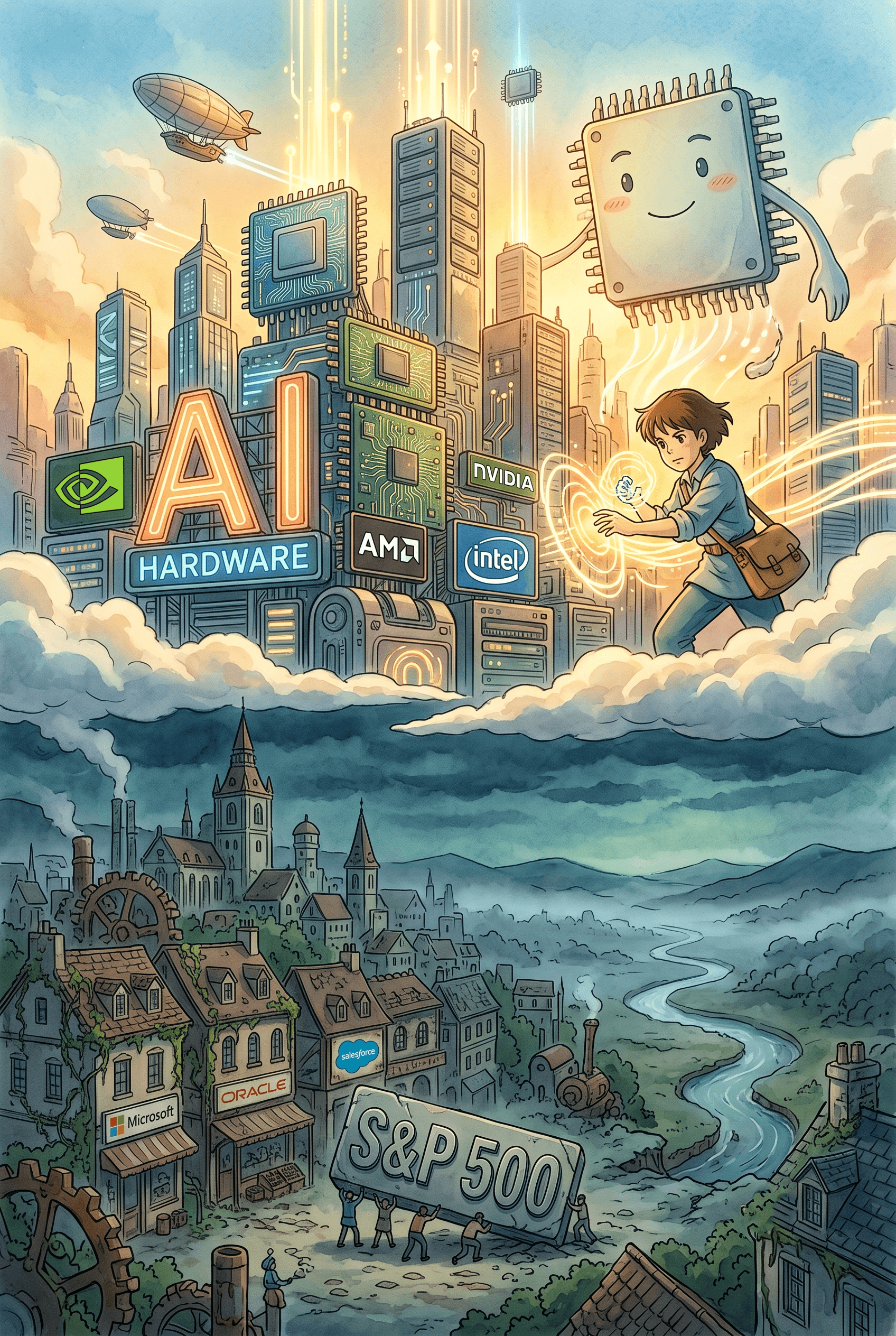
GLOBAL
Why S&P 500 Software is Lagging While AI Hardware Dominates 2026
Jul 25, 2026· 7 min

GLOBAL
Why Wall Street is Re-Valuing SpaceX as an AI Infrastructure Giant
Jul 25, 2026· 8 min
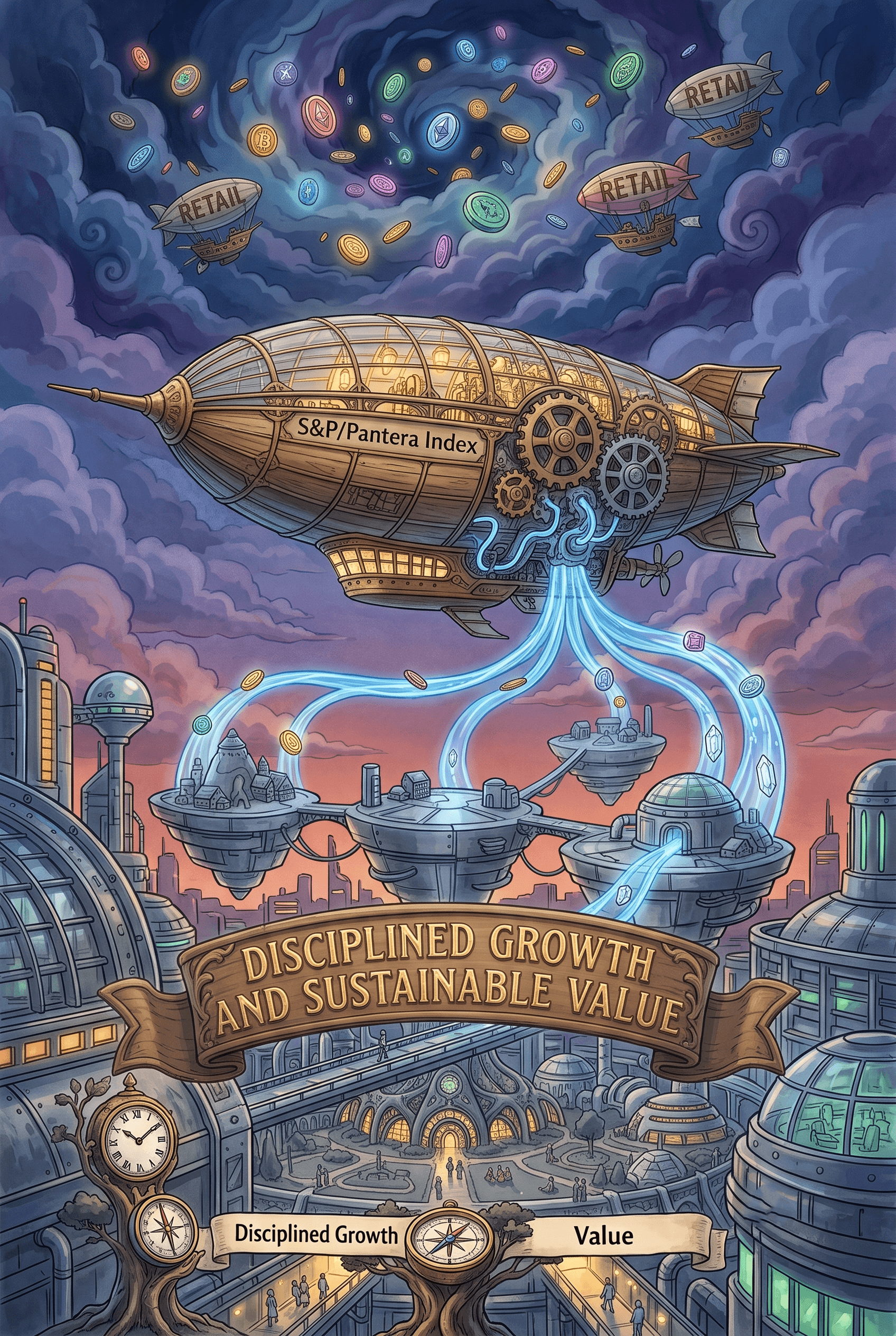
WEB3
S&P and Pantera’s Index Launch and the End of Speculative Token Valuation
Jul 22, 2026· 7 min

GLOBAL
The Algorithmic Border: How Kinetic Supply Chains are Reindexing South China Sea Logistics
Jul 10, 2026· 3 min

WEB3
A Vision Coming to Life: XEO Takes Strategic Steps to Shape the "Living Ecosystem" of the Future
Jul 8, 2026· 2 min

GLOBAL
The Screen Is No Longer Enough: Inside Silicon Valley’s Physical AI Pivot
May 19, 2026· 4 min

GLOBAL
Silicon Valley’s New Cold War: California vs. The White House Over AI Rules
May 19, 2026· 4 min
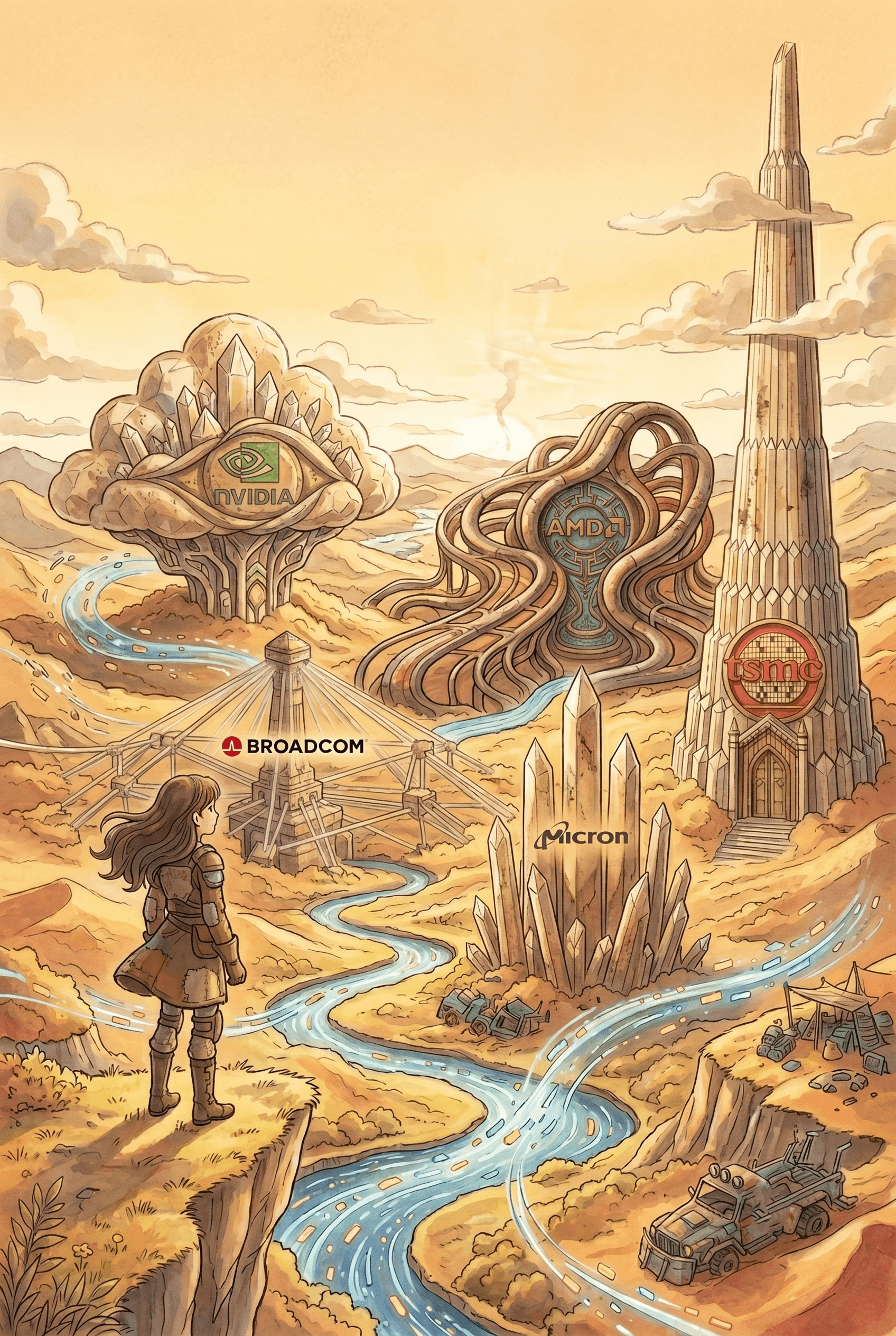
GLOBAL
Top 5 AI Processor Stocks to Watch in 2026
May 19, 2026· 4 min
From the feed
Latest Articles

WEB3
The Quiet Genesis: Why XEO is Refusing the Hype Cycle to Build a Sovereign Living Ecosystem
Aug 23, 2026· 2 min

CULTURE
The Bio-Digital Commons: Why Synthetic Biology Requires Decentralized Infrastructure
Jul 24, 2026· 6 min

CULTURE
The Shift Toward Abandoned Mining Shafts for Sovereign Data Center Architecture
Jun 30, 2026· 6 min

CULTURE
Premium Minimalist Hardware and the High-Stakes Economy of Digital Detargeting
Jun 24, 2026· 13 min

CULTURE
Licensing the Mind: The Economics of Generative Agents as High-Yield Digital Assets
Jun 23, 2026· 10 min

WEB3
The Sovereignty Deficit: Why Stablecoin Regulations in Emerging Markets are Forcing Capital Offshore
Jun 18, 2026· 4 min

WEB3
The Missing Piece in GameFi And How XEO Plans to Redefine Ownership, Utility, and Competitive Play
May 27, 2026· 3 min

CULTURE
Cognitive Sanctuary: E-Ink Monitors and the Aristocracy of Attention in the Age of Information Overload
May 22, 2026· 5 min

WEB3
Monero’s War on ASICs and the Structural Economics of Absolute Privacy
May 20, 2026· 10 min

WEB3
Top 10 Proof-of-Work Networks: Efficiency, Hardware Ecosystems, and Market Realities
May 18, 2026· 9 min