The Renaissance of Digital Ownership: From the Ruins of GameFi 1.0 to the Sovereignty of 2.0
GameFi 1.0 collapsed under its own weight. What emerges now is a new model built on experience, scarcity, and real digital ownership.
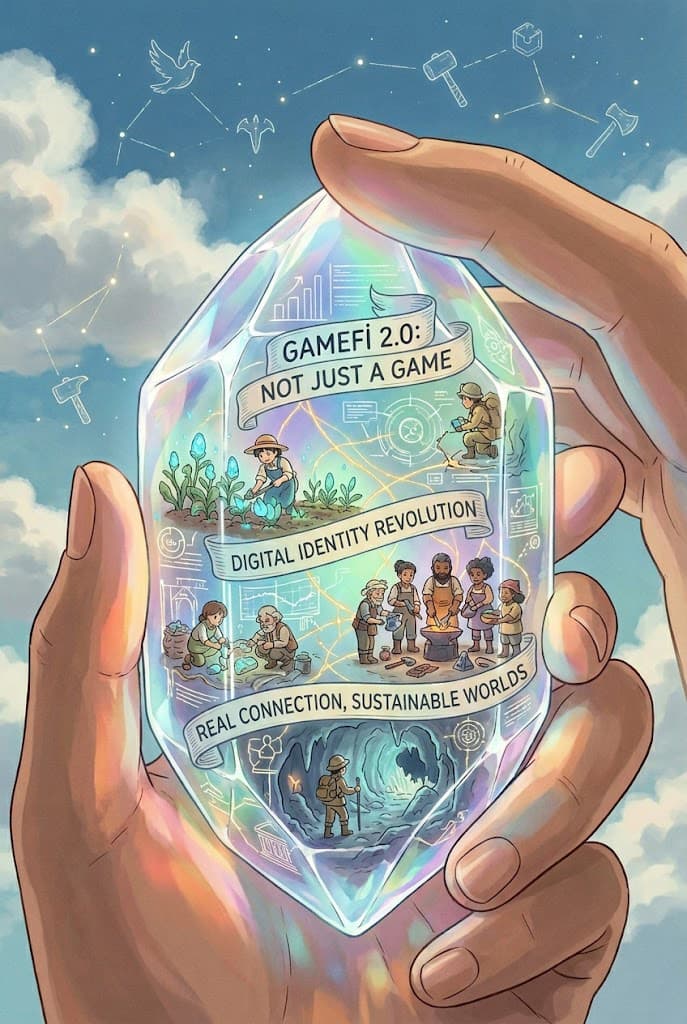
From Extraction to Experience
There was a time when GameFi promised a new kind of freedom.
Play, earn, own.
Three simple words that carried the weight of an entire narrative: a world where time spent in digital environments would finally translate into real value. It sounded revolutionary. It felt inevitable.
And then it broke.
Not because the idea was wrong.
Because the execution was hollow.
GameFi 1.0 did not fail quietly. It collapsed under the weight of its own design.
The system was simple: new players funded old players. Rewards were not generated through meaningful activity, but through continuous expansion. Growth was not organic—it was required. The moment inflow slowed, the entire structure began to fracture.
What looked like innovation was, at its core, dependency.
A loop that could not sustain itself.
But the deeper problem was not mathematical.
It was cultural.
Players were never treated as players.
They were treated as labor.
Click, repeat, claim. The mechanics were designed not for engagement, but for extraction. The game was no longer a world—it was a system. And the player was no longer a participant—they were a unit.
A variable.
A resource.
When the rewards began to shrink, the illusion disappeared.
Because no one was there to stay.
They were there to leave—with profit.
That was the end of GameFi 1.0.
Not a failure of blockchain.
A failure of intent.
What is emerging now is not a continuation.
It is a correction.
GameFi 2.0 does not begin with tokens.
It begins with experience.
The new model understands something fundamental: value cannot be extracted indefinitely. It must circulate. It must evolve. It must be tied to something that people actually care about.
Not yield.
Presence.
This is where the architecture changes.
Instead of infinite minting, systems are being designed around controlled flow. Value enters, moves, and transforms. Fees generated by gameplay, marketplace activity, and user interaction are redistributed within the ecosystem rather than diluted across it.
Nothing is created without consequence.
Nothing is rewarded without reason.
Scarcity returns as a principle—not as marketing, but as structure.
Tokens are not endlessly printed. They are regulated through use. Actions have cost. Participation has weight. The more a system grows, the more carefully its supply must be managed.
Growth no longer weakens value.
It reinforces it.
Assets evolve as well.
The disposable NFTs of the past—minted, flipped, forgotten—are being replaced by something more persistent. Digital items now carry history. Function. Identity. They are not just owned; they are experienced over time.
A player’s journey becomes part of the asset itself.
Ownership is no longer static.
It becomes narrative.
But the most important shift is philosophical.
GameFi 2.0 does not ask, “How do we reward players?”
It asks, “Why are players here at all?”
If the answer is only money, the system is already broken.
Because money is not enough to sustain attention.
Only meaning can do that.
This is why fun returns to the center.
Not as decoration, but as foundation.
People stay in worlds that feel alive. Environments that offer depth, challenge, and aesthetic coherence. Spaces where time spent is not justified by reward, but by experience itself.
Earning becomes secondary.
But not irrelevant.
This is where “Play-to-Earn” transforms into something more precise:
Play-and-Earn.
The difference is subtle, but critical.
Earning is no longer the purpose.
It is the outcome.
In this model, presence is not enough.
Skill matters.
Decision-making matters.
Strategy matters.
The system does not reward time.
It rewards ability.
This removes one of the most destructive elements of the previous era: passive extraction.
There is no value in simply existing within the system. Value must be generated, demonstrated, and sustained through interaction.
This is not labor.
It is mastery.
And with mastery comes hierarchy.
Not based on capital.
But on competence.
This is how GameFi begins to resemble real competition.
Not a loop.
An ecosystem.
Underneath all of this sits another critical layer: stability.
The chaotic growth cycles of early GameFi are being replaced by something slower, but stronger. Infrastructure matters. Security matters. Liquidity matters.
Systems built on fragile foundations cannot support long-term economies.
That lesson has already been learned.
This is why the new generation is aligning itself with more secure environments.
Not because they are trendy.
Because they are necessary.
True ownership cannot exist in unstable systems.
Because ownership is not just about access.
It is about continuity.
GameFi 2.0 understands this.
Ownership is no longer defined by what you hold.
But by what persists.
This is where the idea of digital sovereignty begins to emerge.
Not as a concept.
But as a condition.
Players are no longer temporary participants in isolated systems. They become part of living environments where their actions shape value, and their presence carries weight beyond a single session.
Their assets are not reset.
Their progress is not erased.
Their identity is not disposable.
This is not just better design.
It is a different philosophy.
GameFi 1.0 was built on acceleration.
GameFi 2.0 is built on balance.
One collapsed because it tried to grow faster than it could sustain.
The other survives because it understands that value must move at the speed of trust.
We are no longer watching an experiment.
We are watching a transition.
From extraction to experience.
From inflation to integrity.
From illusion to ownership.
GameFi 1.0 was the rehearsal.
GameFi 2.0 is where the system becomes real.
Enjoyed this story?
More for you
Keep reading
The Missing Piece in GameFi And How XEO Plans to Redefine Ownership, Utility, and Competitive Play
GameFi promised a new era — games where players truly own their assets, where rewards reflect contribution, and where blockchain creates transparency instead of artificial scarcity.
Read moreFrom the feed
Latest Articles
WEB3
The Quiet Genesis: Why XEO is Refusing the Hype Cycle to Build a Sovereign Living Ecosystem
Aug 23, 2026· 2 min
CULTURE
The Bio-Digital Commons: Why Synthetic Biology Requires Decentralized Infrastructure
Jul 24, 2026· 6 min
CULTURE
The Shift Toward Abandoned Mining Shafts for Sovereign Data Center Architecture
Jun 30, 2026· 6 min

CULTURE
Premium Minimalist Hardware and the High-Stakes Economy of Digital Detargeting
Jun 24, 2026· 13 min
CULTURE
Licensing the Mind: The Economics of Generative Agents as High-Yield Digital Assets
Jun 23, 2026· 10 min
WEB3
The Sovereignty Deficit: Why Stablecoin Regulations in Emerging Markets are Forcing Capital Offshore
Jun 18, 2026· 4 min
WEB3
The Missing Piece in GameFi And How XEO Plans to Redefine Ownership, Utility, and Competitive Play
May 27, 2026· 3 min

CULTURE
Cognitive Sanctuary: E-Ink Monitors and the Aristocracy of Attention in the Age of Information Overload
May 22, 2026· 5 min
WEB3
Monero’s War on ASICs and the Structural Economics of Absolute Privacy
May 20, 2026· 10 min

WEB3
Top 10 Proof-of-Work Networks: Efficiency, Hardware Ecosystems, and Market Realities
May 18, 2026· 9 min
Briefs
Latest News
WEB3
XEO Ecosystem Releases Official Track "3.5 Billion Years" Produced by QuixTilt Records
Oct 1, 2026· 1 min

GLOBAL
Inside HSBC and the Bank of England’s Digital Securities Sandbox
Jul 25, 2026· 6 min
GLOBAL
Why S&P 500 Software is Lagging While AI Hardware Dominates 2026
Jul 25, 2026· 7 min
GLOBAL
Why Wall Street is Re-Valuing SpaceX as an AI Infrastructure Giant
Jul 25, 2026· 8 min
WEB3
S&P and Pantera’s Index Launch and the End of Speculative Token Valuation
Jul 22, 2026· 7 min

GLOBAL
The Algorithmic Border: How Kinetic Supply Chains are Reindexing South China Sea Logistics
Jul 10, 2026· 3 min
WEB3
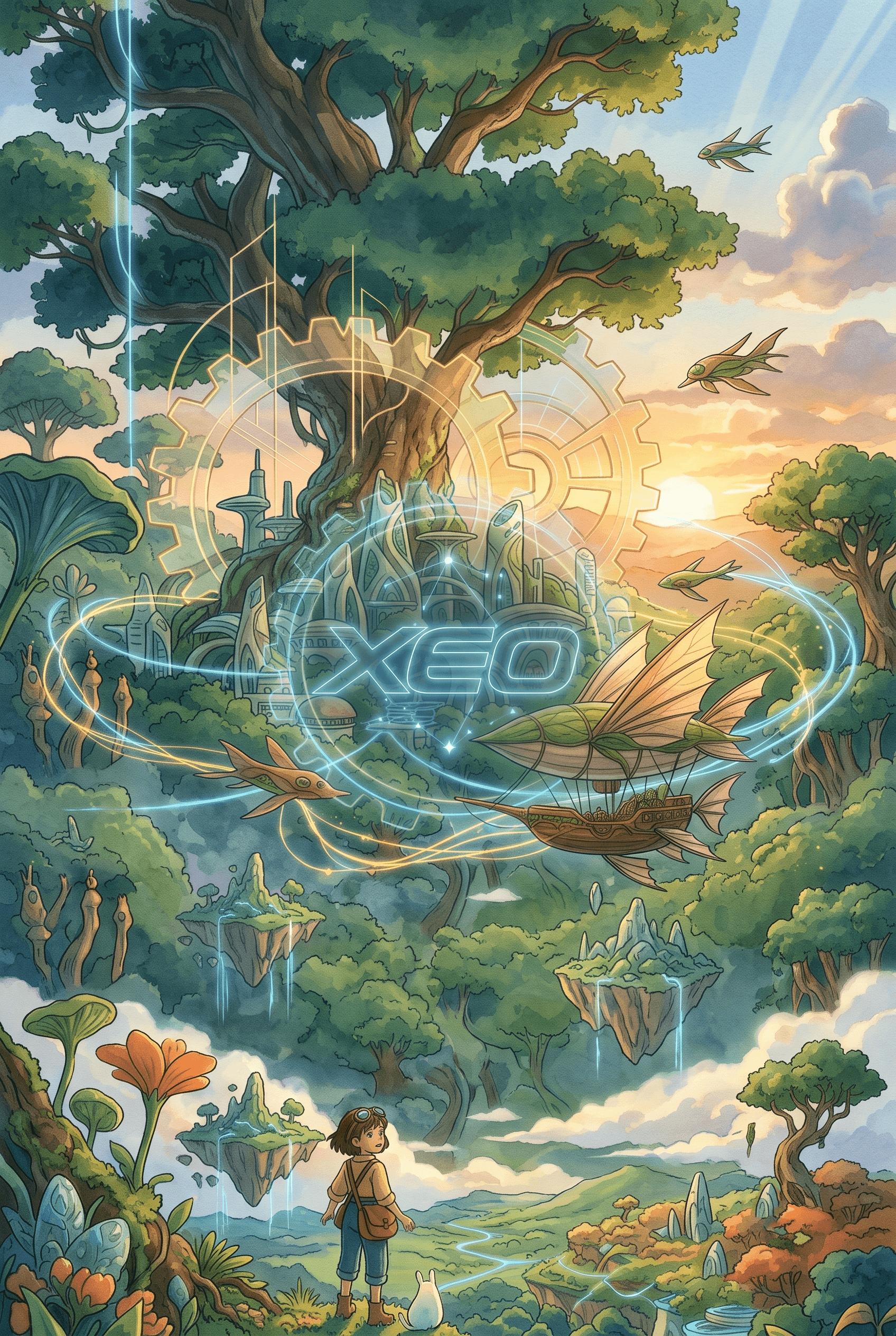
A Vision Coming to Life: XEO Takes Strategic Steps to Shape the "Living Ecosystem" of the Future
Jul 8, 2026· 2 min
GLOBAL
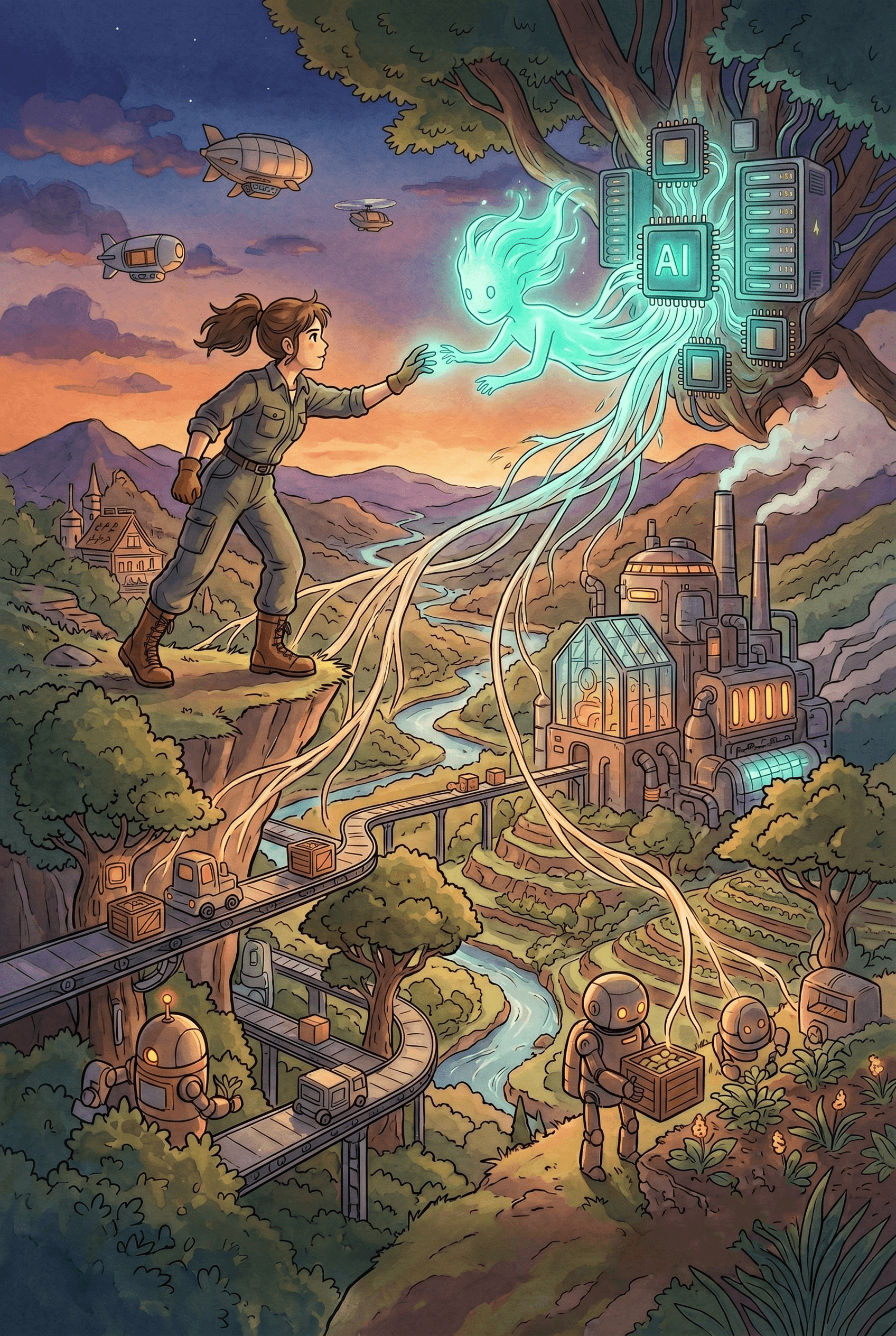
The Screen Is No Longer Enough: Inside Silicon Valley’s Physical AI Pivot
May 19, 2026· 4 min
GLOBAL
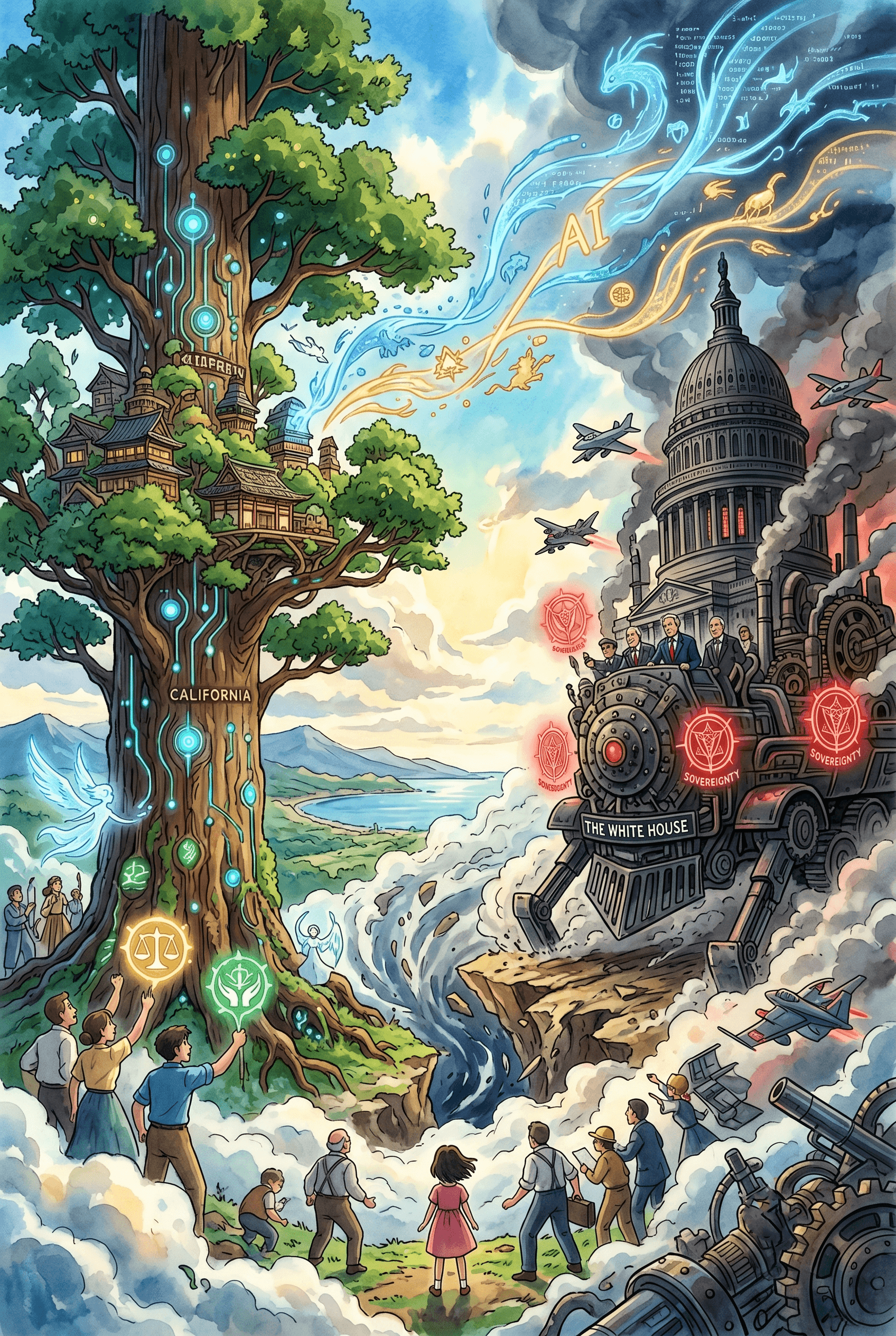
Silicon Valley’s New Cold War: California vs. The White House Over AI Rules
May 19, 2026· 4 min
GLOBAL
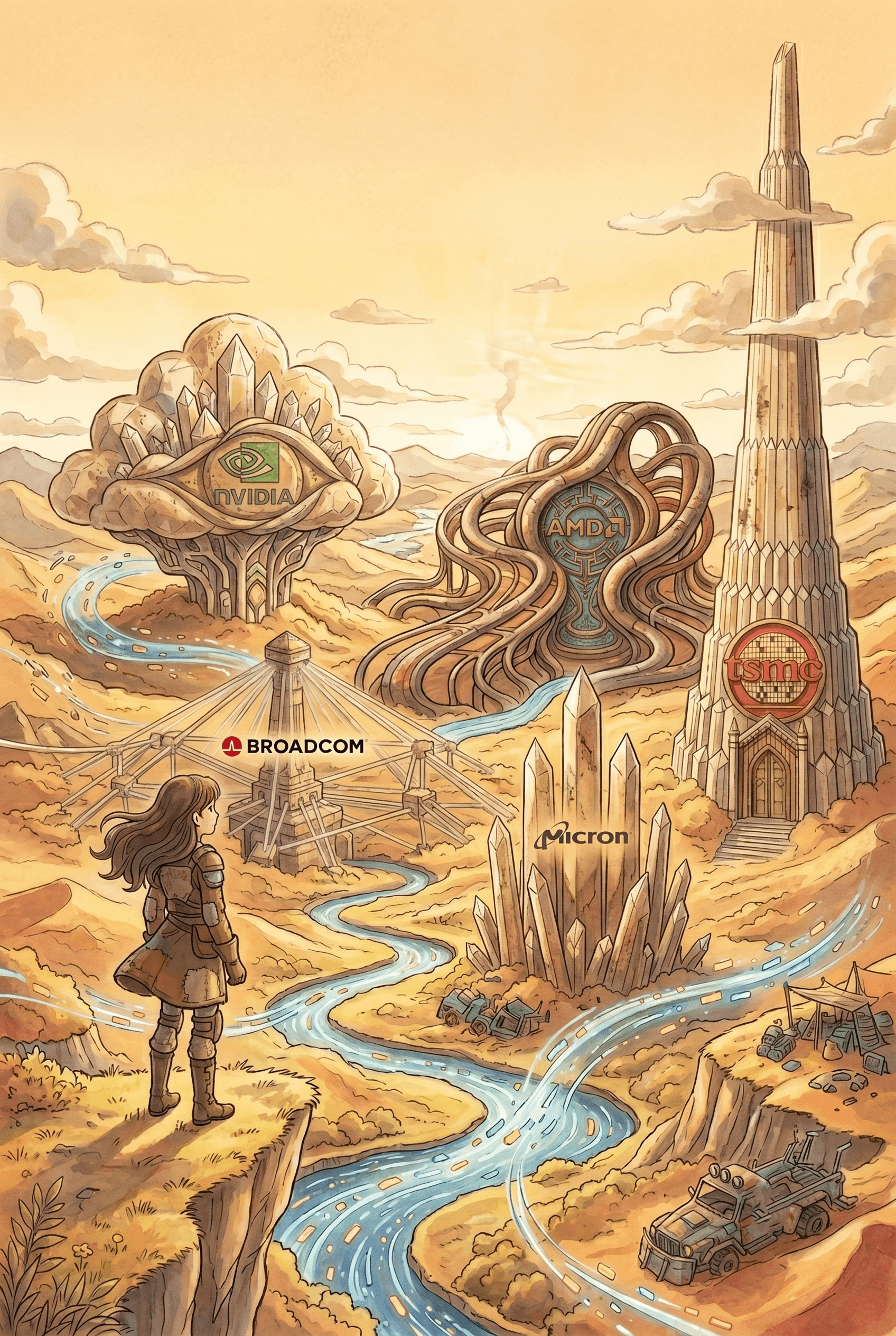
Top 5 AI Processor Stocks to Watch in 2026
May 19, 2026· 4 min